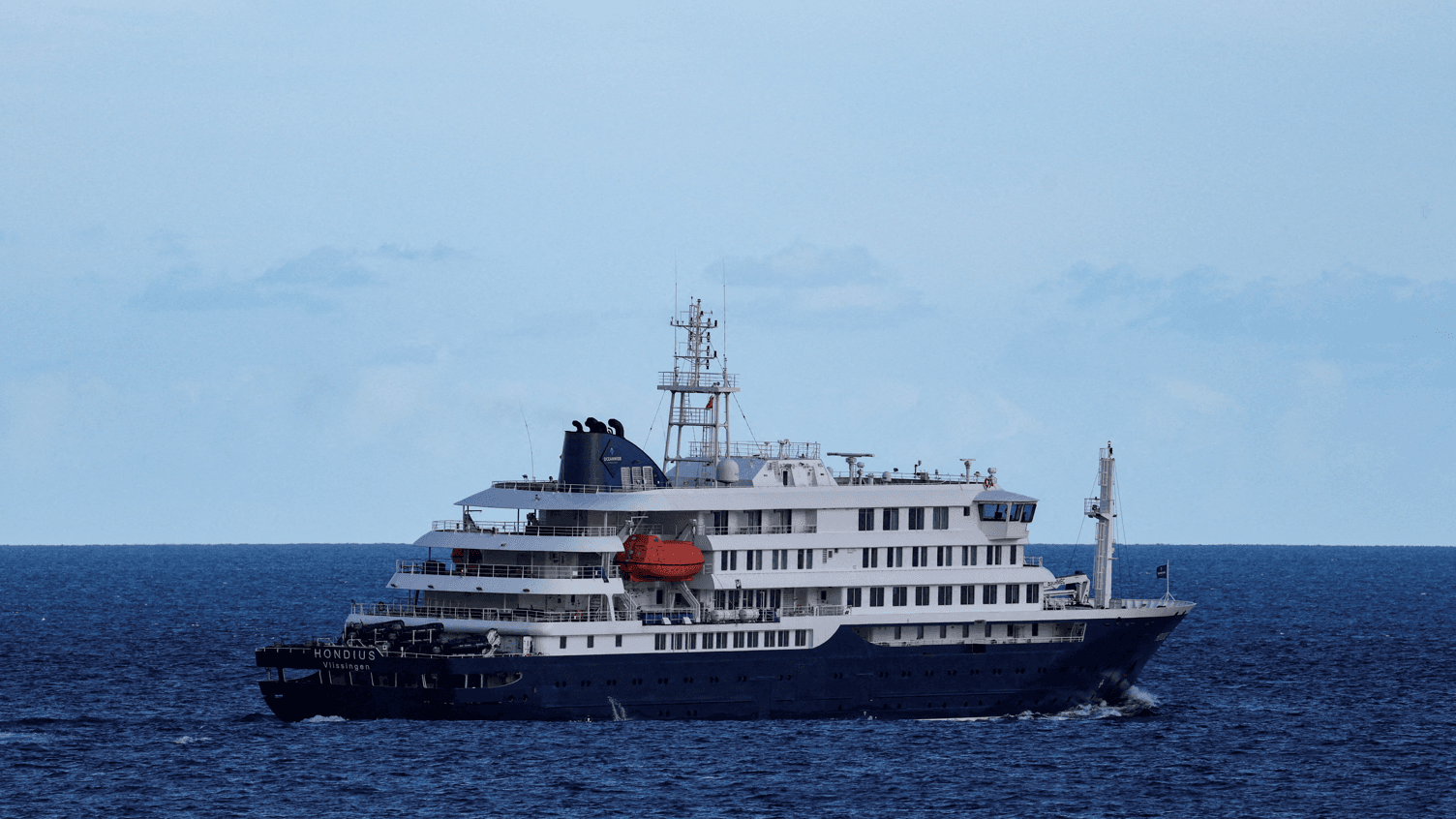
American, French travelers test positive for hantavirus after cruise ship outbreak
An American and a French traveler tested positive after a hantavirus outbreak spread across a cruise route from Antarctica to the Canary Islands, triggering multinational tracing.
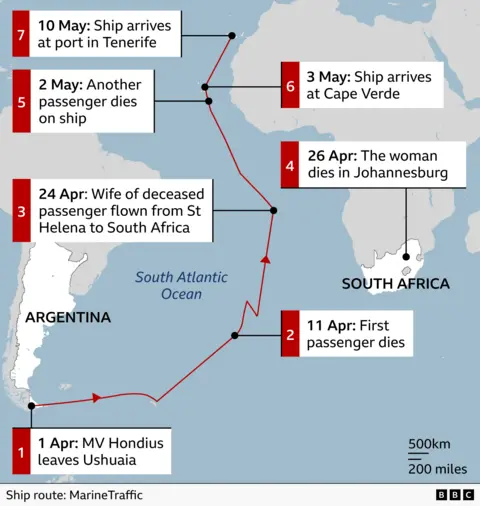
An American and a French traveler tested positive for hantavirus after being repatriated from the MV Hondius, turning a cruise-ship illness cluster into a cross-border containment effort that stretched from Antarctica to Omaha, Atlanta and Paris.
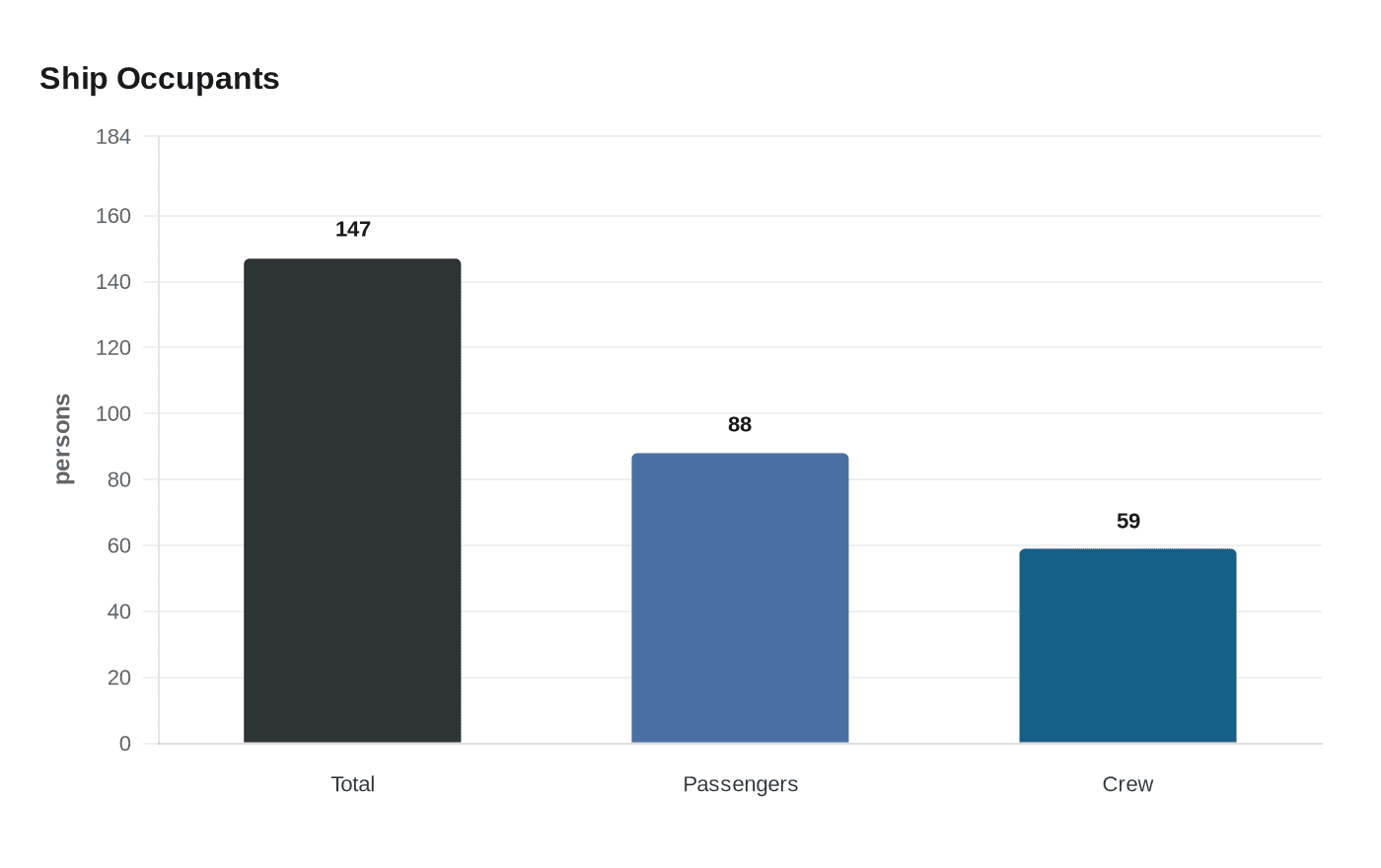
The World Health Organization said the Dutch-flagged expedition ship was carrying 147 passengers and crew, including 88 passengers and 59 crew members, when severe respiratory illness was first reported on May 2. By May 4, the agency counted seven cases, including three deaths. By May 8, that total had risen to eight cases, with six laboratory-confirmed Andes virus infections and three deaths. Illness onset in the earliest patients ran from April 6 to April 28 and included fever, gastrointestinal symptoms, rapid progression to pneumonia, acute respiratory distress syndrome and shock.
The outbreak is drawing close attention because the Andes virus is the only hantavirus species known to spread, in limited fashion, from person to person through close and prolonged contact. That has made contact tracing as important as clinical care. WHO said it deployed an expert onboard, shipped 2,500 diagnostic kits from Argentina to laboratories in five countries and issued guidance for tracing and repatriation while keeping the global public-health risk low and the risk to passengers and crew on the ship moderate.
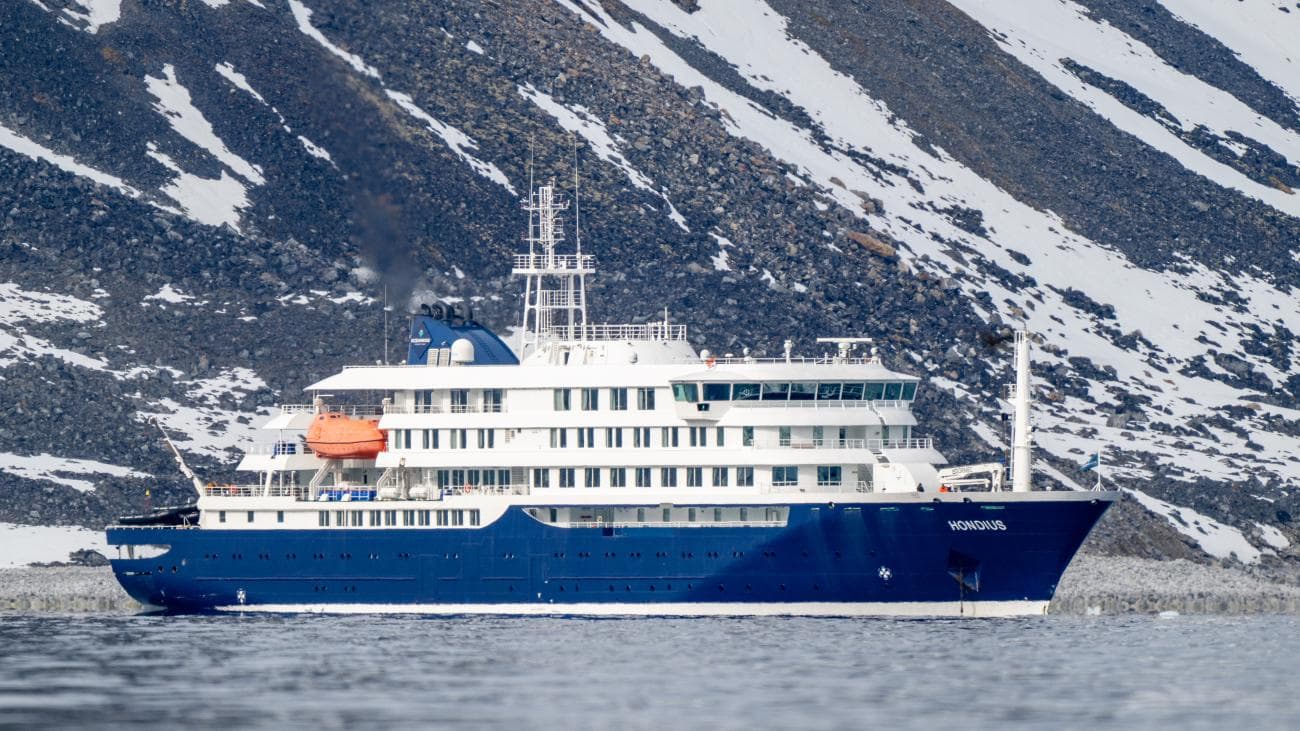
The ship left Ushuaia, Argentina, on April 1 and followed an itinerary that included Antarctica, South Georgia, Nightingale Island, Tristan da Cunha, Saint Helena and Ascension Island. Oceanwide Expeditions said 114 guests boarded in Ushuaia and 30 guests disembarked at Saint Helena on April 24. A 70-year-old Dutch man who died on April 11 is now believed to have been the first case, and his 69-year-old wife later died after her condition worsened during a flight to Johannesburg; her blood later tested positive for Andes virus. That sequence shows how quickly an undetected outbreak can disperse across borders before routine screening catches up.
The repatriation response was equally international. Spanish health authorities and WHO managed disembarkation in Tenerife on May 10 in stages based on nationality and flight availability, with no commercial flights used. The U.S. government flew 18 Americans home for monitoring, placing 16 at the University of Nebraska Medical Center in Omaha and two at Emory University Hospital in Atlanta. One of those evacuees tested mildly PCR positive and another developed mild symptoms. In France, Health Minister Stéphanie Rist said one French evacuee tested positive and four others tested negative but would be retested, while France identified 22 contact cases.
Officials in Washington and Geneva have stressed that this is not another COVID-19 event, but the Hondius episode still exposed a hard truth for travel operators: protocols built for norovirus and routine respiratory illness are not enough when a rare pathogen moves quietly through an international itinerary.
This article was produced by Prism’s automated news system from verified source data, official records, and press releases, then run through automated quality and moderation checks before publishing. The system is built and supervised by the people who set the standards it runs under. Read our full AI policy.
Did this article answer your question?