Youth residential treatment facilities face abuse claims and weak oversight
Families in crisis keep ending up in youth residential facilities, where billions in public dollars meet weak oversight and abuse allegations that states still struggle to track.
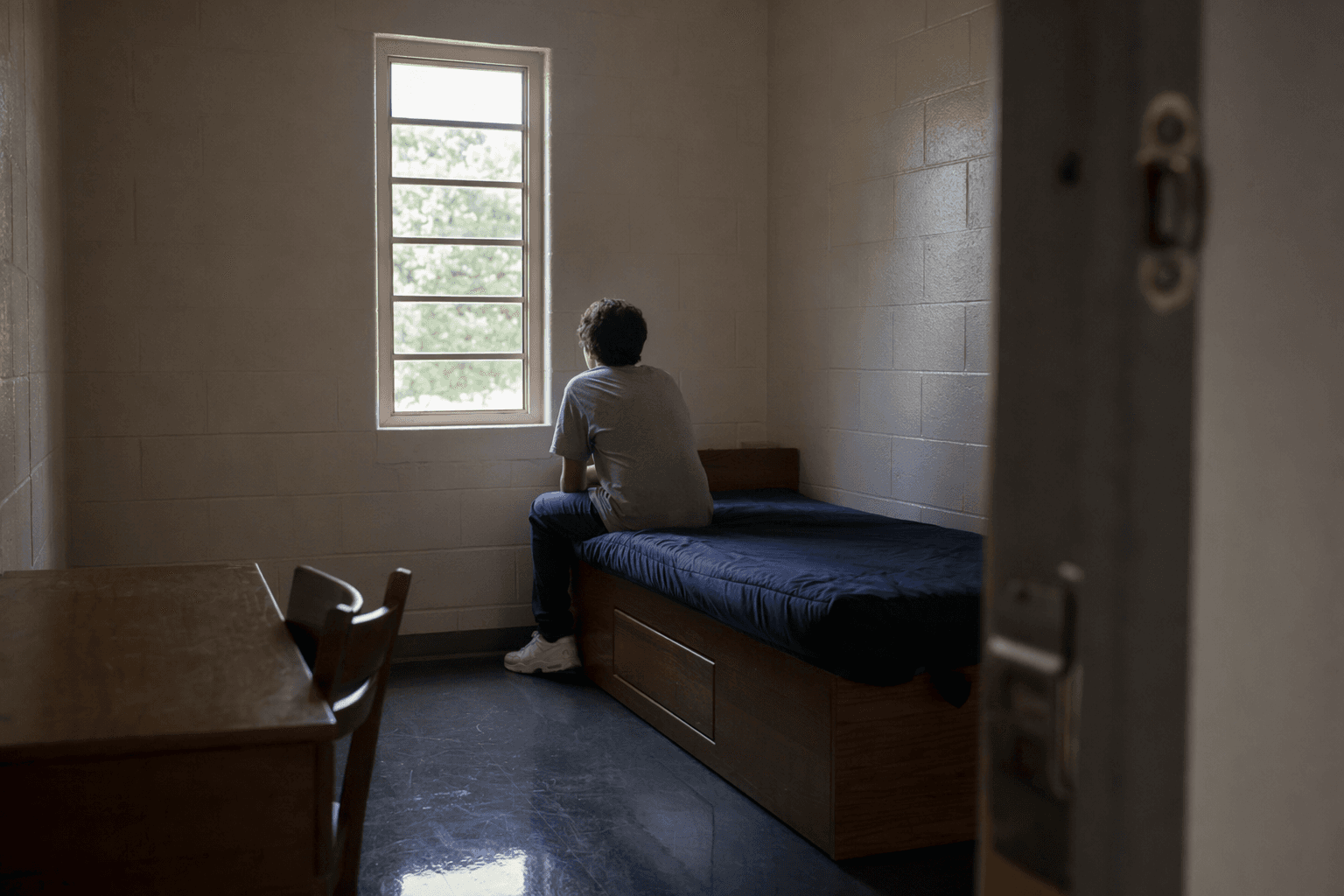
Families searching for help are still being steered into youth residential treatment facilities, a multibillion-dollar corner of the child-welfare system where abuse claims have persisted for decades and federal scrutiny remains uneven. The result is a system that can separate children from home with little transparency, then leave parents and guardians navigating institutions with inconsistent standards and limited accountability.
The Senate Finance Committee laid out that problem at a hearing on June 12, 2024, in Washington, D.C. Chairman Ron Wyden said a two-year investigation of four major companies found the facilities were receiving billions of dollars in federal funding, including Medicaid and child-welfare dollars, while providing substandard care and subjecting children to abuse and neglect. Lawmakers said the lack of transparency can leave families signing children up for conditions they do not fully understand.
Federal watchdogs have been warning about the same risks for more than 20 years. The U.S. Government Accountability Office has repeatedly reported concerns about physical, emotional and sexual abuse in residential facilities, and in June 2024 it said state and local agencies remain largely responsible for preventing abuse and neglect. The GAO also said the U.S. Department of Health and Human Services had not yet acted on a prior recommendation to help states share information on promising practices for preventing abuse.
The scale of institutional care has fallen, but dependence on it remains significant. GAO data show residential facilities were the most recent placement for about 101,000 youth in foster care in 2002, compared with about 34,000 in 2022. Advocates say that decline does not erase the underlying issue: children still enter these facilities when foster homes are unavailable or when states lack community-based alternatives that can keep families together.
A separate 2024 report from the HHS Office of Inspector General found many states did not have complete information needed to monitor maltreatment in residential facilities for children in foster care. Nearly one-third of states could not identify patterns of maltreatment within their own borders, and states had limited awareness of abuse across chains operating in multiple states. That kind of blind spot, critics say, makes it easier for problem operators to move from one jurisdiction to another without real consequence.

Pressure for reform has grown around the Stop Institutional Child Abuse Act, which would create a federal interagency work group on youth residential programs and ask it to develop recommendations for a national database on processes and outcomes. Paris Hilton, who has spoken publicly about her own traumatic experience in a youth facility, helped push the bill forward alongside lawmakers. The concerns are not new: a 2007 House hearing on private residential treatment facilities included allegations ranging from neglect to torture, a reminder that the oversight vacuum has been visible for years while vulnerable children keep being placed inside it.
This article was produced by Prism’s automated news system from verified source data, official records, and press releases, then run through automated quality and moderation checks before publishing. The system is built and supervised by the people who set the standards it runs under. Read our full AI policy.
Did this article answer your question?