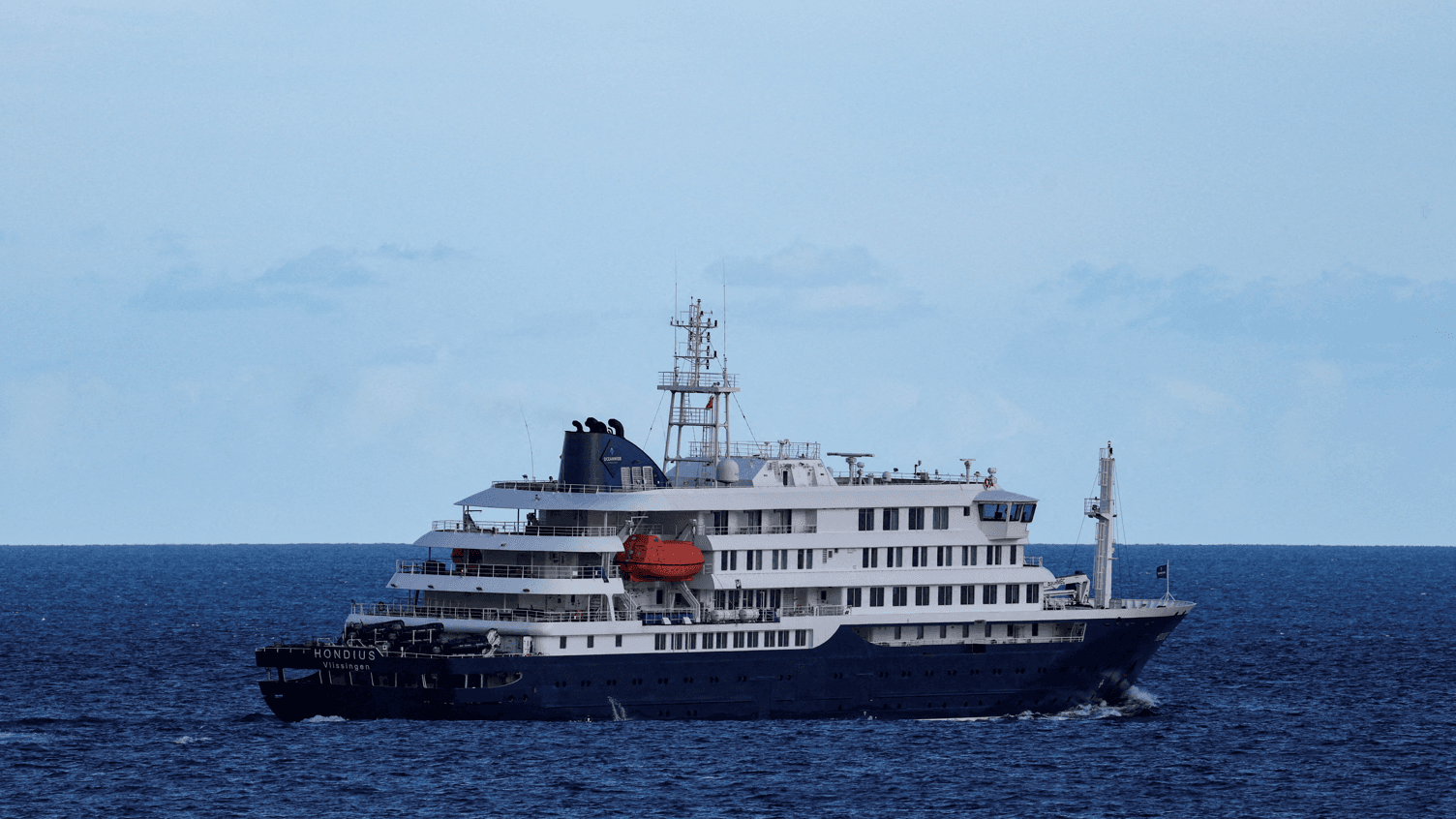
Hantavirus-hit cruise ship arrives in Rotterdam for quarantine and disinfection
The MV Hondius reached Rotterdam with 27 people aboard, ending a hantavirus outbreak that spread contacts across more than 20 countries and tested quarantine systems.

The Netherlands-flagged cruise ship MV Hondius reached Rotterdam with 27 people still aboard, ending a hantavirus response that had stretched from shipboard illness to quarantine cabins, laboratory testing and medical evacuations across several continents.
Dutch authorities had prepared 23 temporary quarantine cabins at the Port of Rotterdam for the remaining crew and medical staff. The people still on board included 25 crew members and two RIVM staff, with the crew drawn from the Philippines, Ukraine, Russia and Poland. Four Dutch citizens were expected to finish quarantine at home.

The outbreak first came to the World Health Organization on 2 May, when 147 passengers and crew were aboard and 34 had already disembarked. By 13 May, WHO said there were 11 cases in total, including three deaths. Eight infections were laboratory-confirmed as Andes virus, two were probable and one remained inconclusive. WHO said the public health risk was low, while warning that more cases could still emerge because of the virus’s incubation period.
WHO said passengers from 23 countries had been on the ship, and cases were confirmed in the Netherlands, South Africa and Switzerland while the vessel was still at sea. The agency deployed an expert on board to help assess passengers and crew, shipped 2,500 diagnostic kits from Argentina to laboratories in five countries and helped arrange two medical evacuation flights to the Netherlands. It also facilitated an onward transfer of a high-risk contact to Germany. Earlier in the response, passengers were taken off in Tenerife and flown on to more than 20 countries.

The episode has become a hard test of the International Health Regulations of 2005, the framework meant to help governments contain outbreaks that cross borders faster than any single health system can respond. Andes virus is known for limited human-to-human transmission through close and prolonged contact, but the Hondius outbreak showed how quickly a confined setting can turn into a multinational tracing operation once passengers and crew disperse. For Dutch authorities, the arrival in Rotterdam was not just the end of a voyage, but a controlled handoff into quarantine, disinfection and follow-up across a far wider public-health map.
This article was produced by Prism’s automated news system from verified source data, official records, and press releases, then run through automated quality and moderation checks before publishing. The system is built and supervised by the people who set the standards it runs under. Read our full AI policy.
Did this article answer your question?