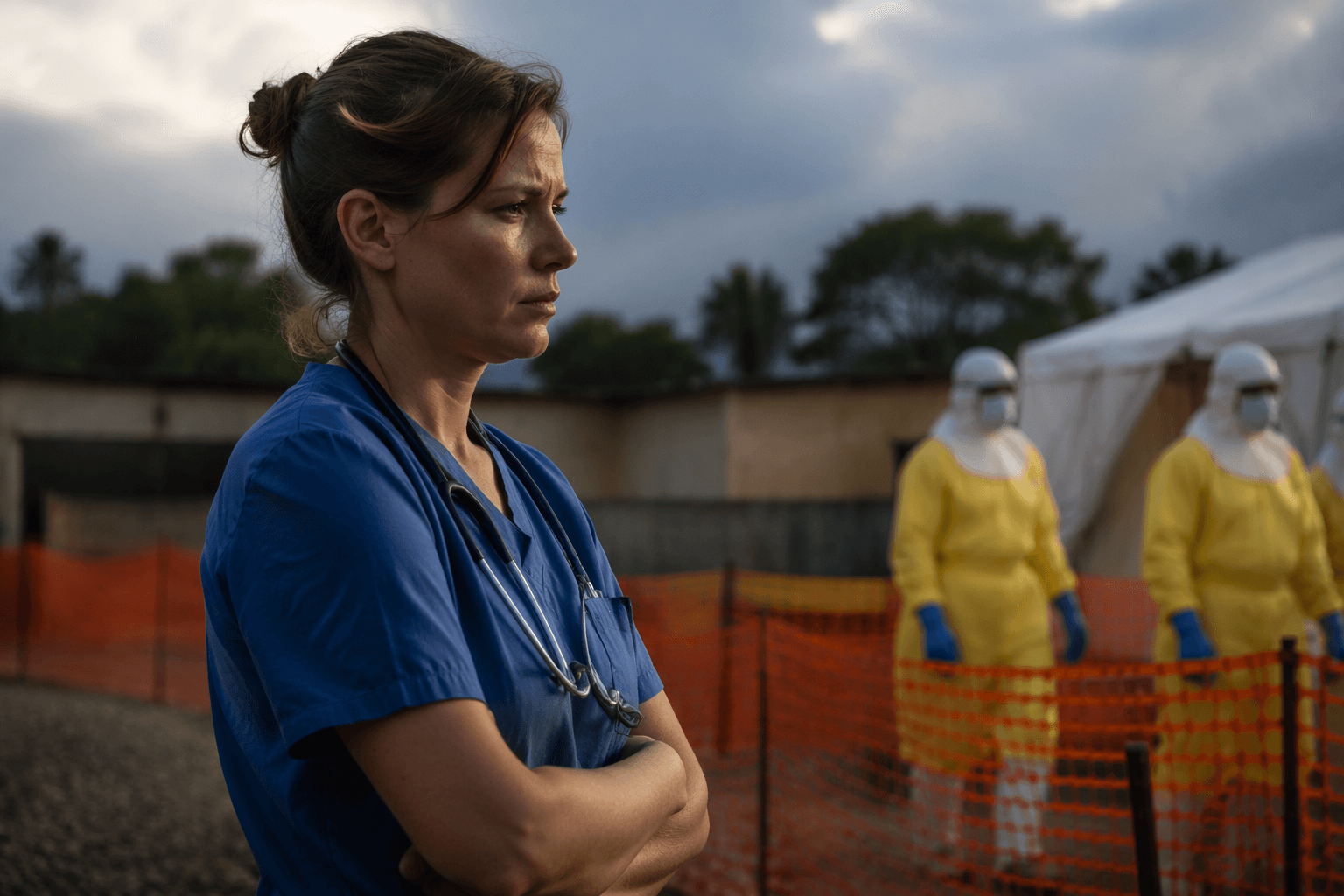
American humanitarian worker with Ebola responds to treatment in Germany
An American aid worker with Bundibugyo virus improved in a Berlin isolation unit after evacuation from Congo, where 134 confirmed Ebola cases had been recorded.

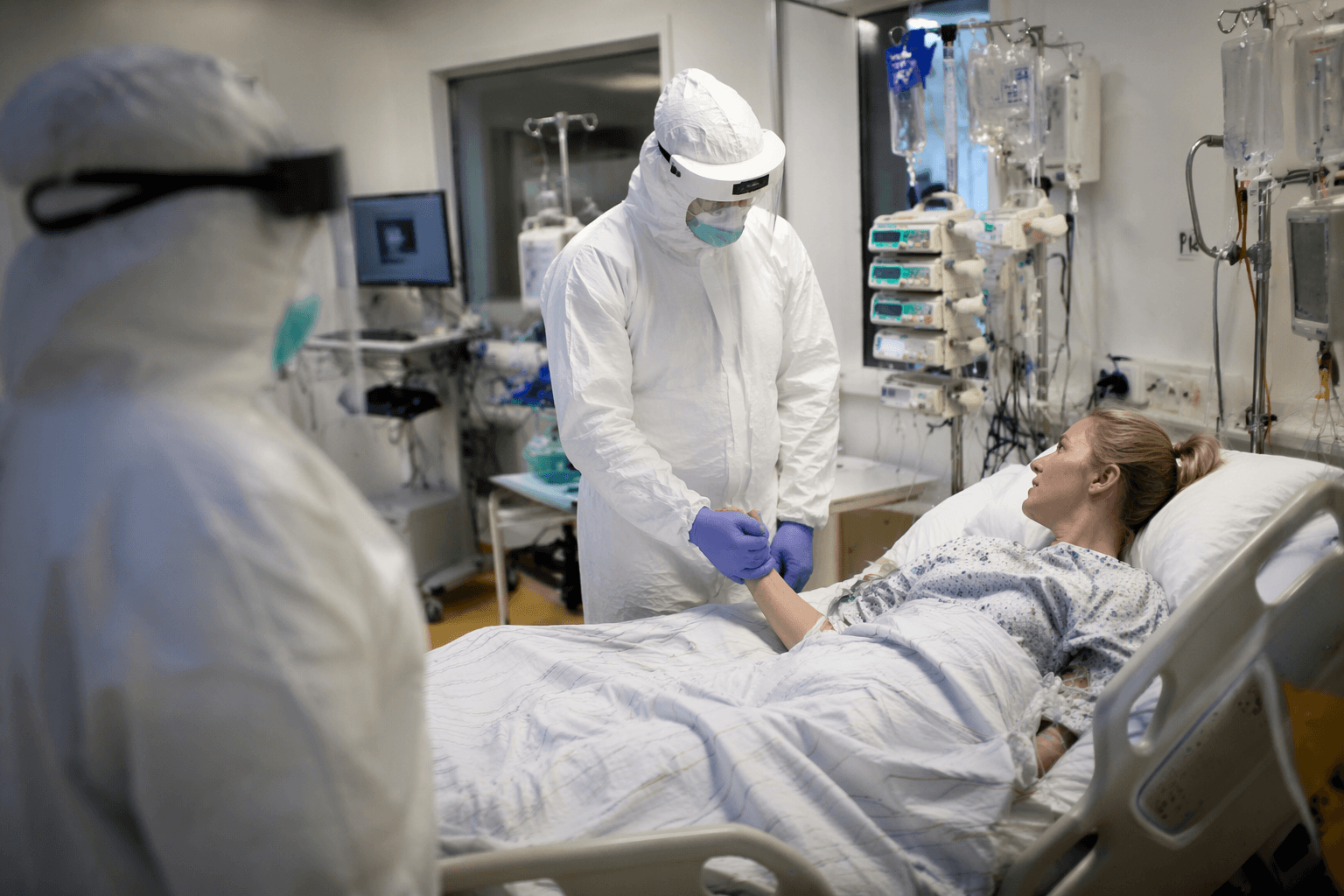
A U.S. humanitarian relief worker infected with Bundibugyo virus in the Democratic Republic of the Congo improved after treatment in Charité - Universitätsmedizin Berlin’s special isolation unit, where doctors said no virus had been detected in daily follow-up tests since May 30. The patient was later discharged in good health along with five family members who had been quarantined as high-risk contacts.
The case shows how Ebola is contained when health systems move quickly: isolate the patient, trace close contacts, and keep exposed people under watch until the danger window closes. Charité said the man arrived on May 20, 2026, with pronounced symptoms, then improved significantly during the first week under combined antiviral therapy and supportive care. Leif Sander, Charité’s infectious-diseases chief, called the outcome a significant therapeutic success and pointed to the need for dedicated high-isolation infrastructure.
The World Health Organization said on May 29 that the outbreak affecting the DRC and Uganda had reached 134 confirmed cases and 18 confirmed deaths across both countries at that point. WHO said transmission in the DRC was concentrated in Ituri, North Kivu and South Kivu provinces, with insecurity and weak referral systems complicating the response. The patient’s transfer to Germany underscores a central lesson of outbreak response: when a worker is infected overseas, specialized care can protect the individual without increasing risk to the public.
The Centers for Disease Control and Prevention said the DRC Ministry of Health confirmed an Ebola outbreak in Ituri Province on May 15, 2026. By May 16, CDC said there were 246 suspected cases and 80 deaths. The agency later said the overall risk to the U.S. public remained low and that no cases had been confirmed in the United States from this outbreak. The United States also moved quickly on the policy side, with the State Department activating an interagency coordination cell on May 15 and mobilizing an initial $13 million in foreign assistance within 48 hours.
Samaritan’s Purse confirmed that the patient was one of its staff members and said he had been working in a logistics role in Bunia for the past month, not in direct patient care at its Ebola treatment centers. That detail matters for the broader aid community: even staff outside the clinical front line can be exposed in outbreaks that spread through health zones, transport routes and crowded referral systems. CDC has said Bundibugyo virus caused prior outbreaks in Uganda in 2007 and in the DRC in 2012, and it is part of the wider Ebola disease family that demands strict containment, rapid diagnosis and protected care for the people who serve in the hardest-hit places.
This article was produced by Prism’s automated news system from verified source data, official records, and press releases, then run through automated quality and moderation checks before publishing. The system is built and supervised by the people who set the standards it runs under. Read our full AI policy.
Did this article answer your question?