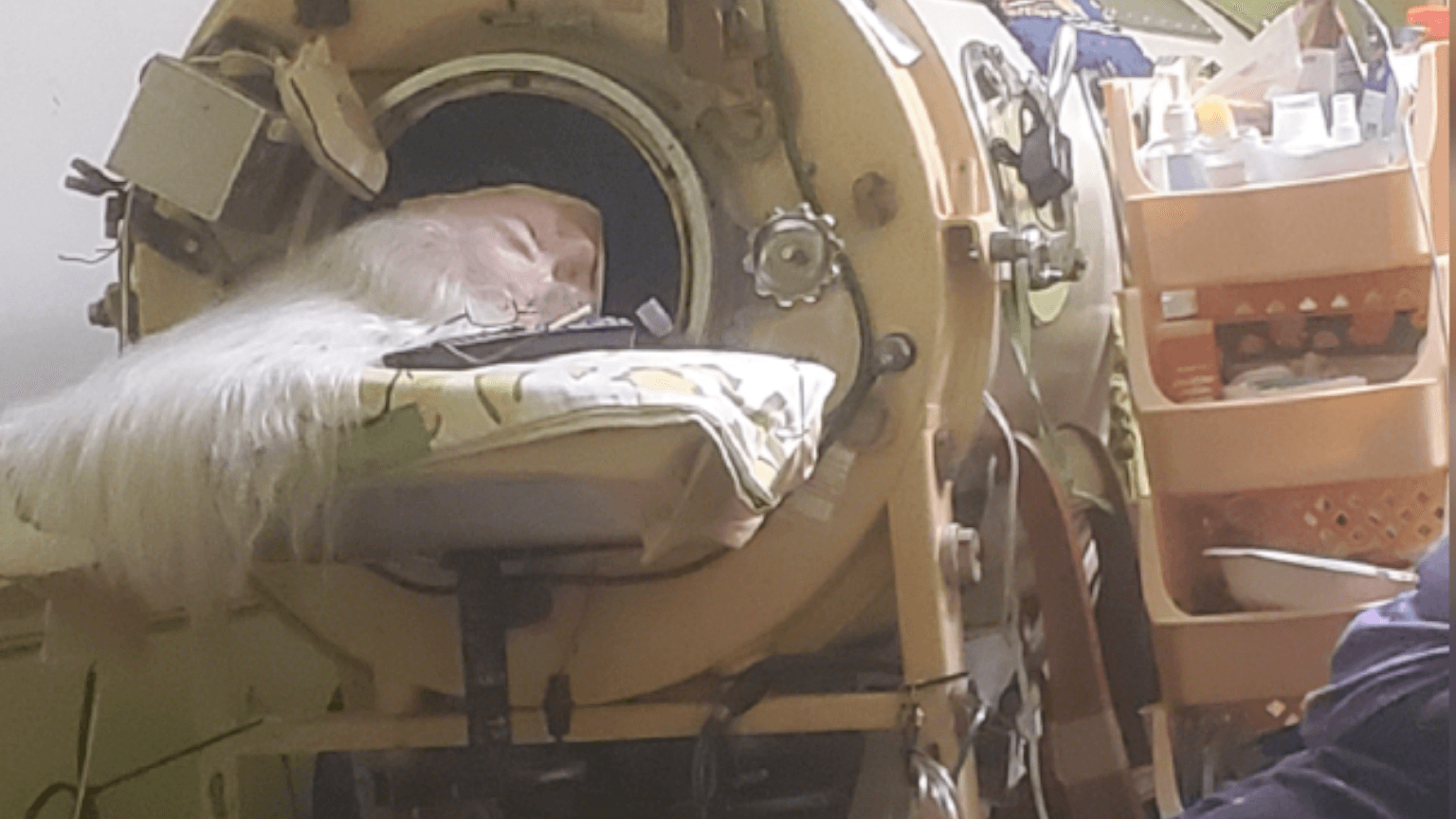
U.S. blocks citizens in Congo from commercial flights amid Ebola outbreak
The Trump administration barred Americans in Congo from commercial flights home, forcing a 21-day wait in a third country as Ebola spread into new provinces.
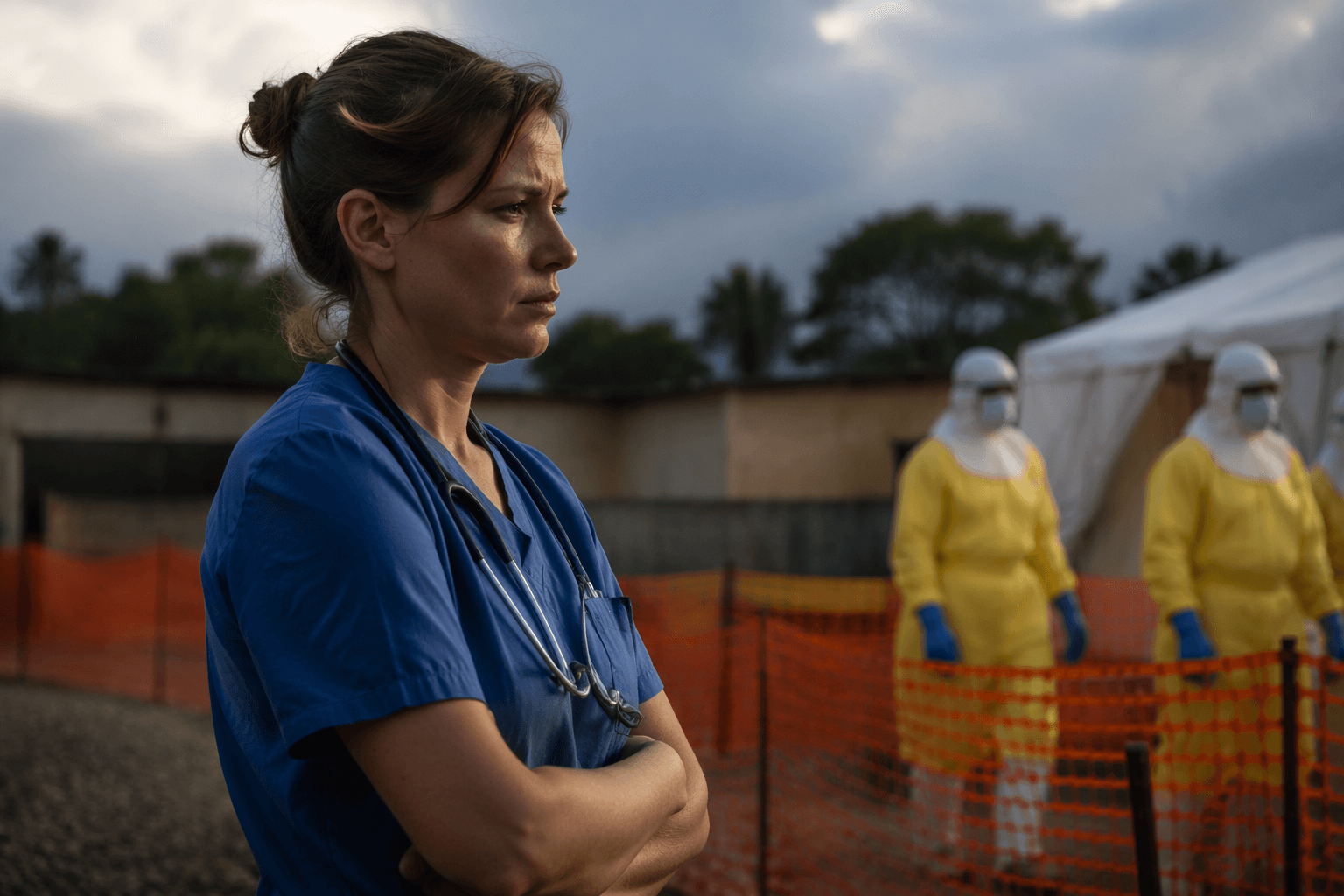
The Trump administration blocked American citizens in the Democratic Republic of Congo from boarding commercial flights home after Ebola spread into two more northeastern provinces and the country’s confirmed toll climbed to 1,926 cases and 702 deaths. Under the order, U.S. citizens in Congo, or those who recently left, were placed on a do-not-board list until they had spent at least 21 days in a third country. The move rested on Title 49 transportation authority.
The practical effect fell on roughly two dozen Americans who were preparing to fly home. They were told to wait out the 21-day period outside Congo, while the government said it would support them and other affected travelers during that time. The State Department had already required U.S. citizens and nationals who had been in Congo, Uganda or South Sudan within 21 days to enter through designated airports for enhanced screening, and the Department of Homeland Security had directed affected flights to those airports on May 21. On May 18, the Centers for Disease Control and Prevention also suspended entry for certain foreign nationals who had been physically present in those countries during the previous 21 days.
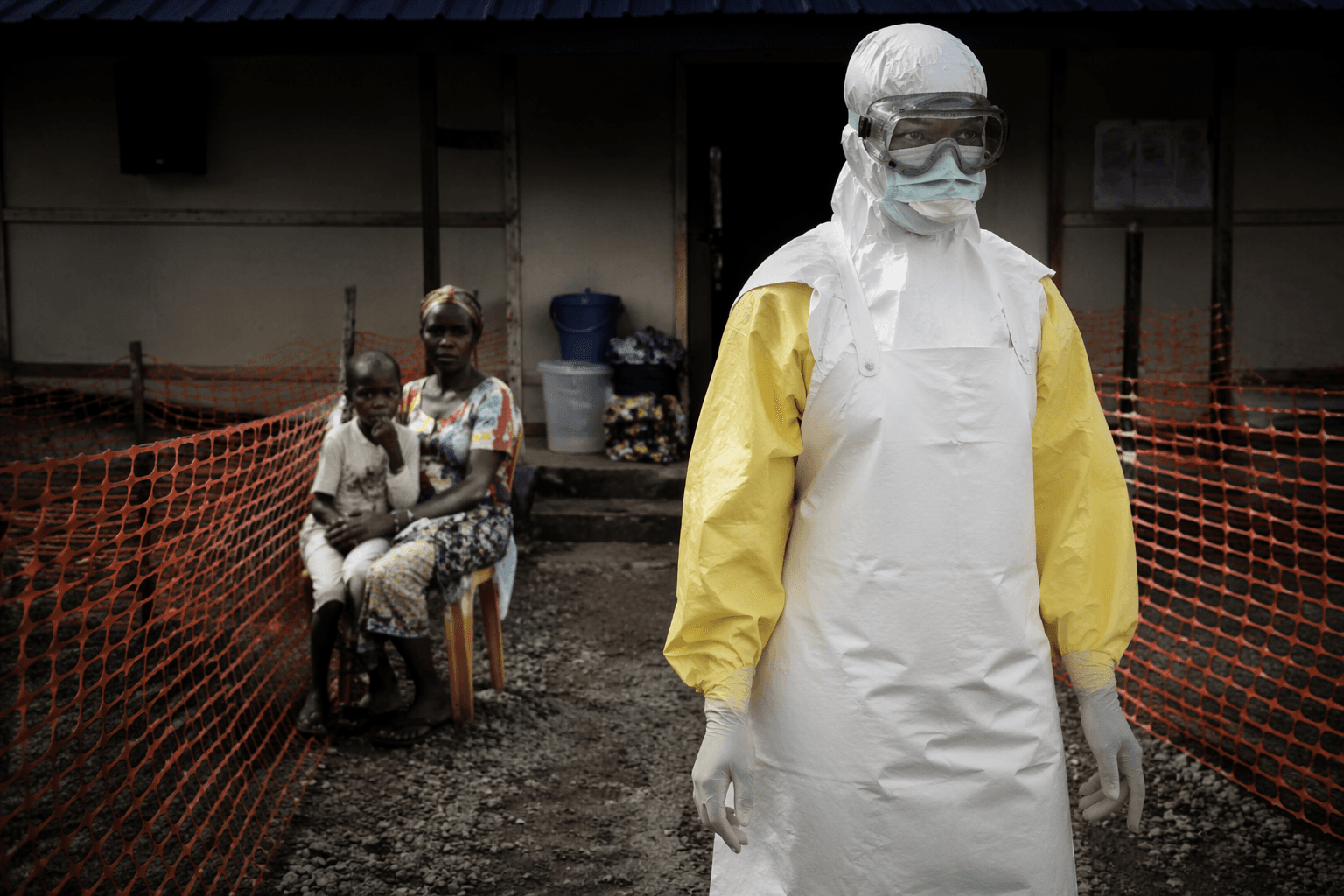
The Democratic Republic of Congo public health institute recorded four cases in Tshopo, including two deaths, and one death in Haut-Uele. The outbreak reached those provinces and moved to within hours of Kinshasa.
The World Health Organization’s July 1 update counted 1,460 confirmed cases and 452 deaths in Congo, with 564 new confirmed cases and 220 deaths reported since June 19. WHO officials said the true scale could be two to four times higher, and one official said four out of every five new cases in parts of Congo had no known link to existing patients.
The CDC said the outbreak is caused by Bundibugyo virus, the DRC’s 17th Ebola outbreak, and that it is spreading substantially faster than previous outbreaks and now ranks as the third largest on record. CDC said a U.S. citizen working for a humanitarian organization in Congo tested positive, and that it was working with the employer and partners on contact tracing and risk assessments. Another American infected in Congo was admitted to a hospital in Germany. The agency said no Ebola cases had been confirmed in the United States and that the overall risk to the American public and travelers remained low.
The latest restrictions echo earlier Ebola-era screening measures, but they go further by keeping some U.S. citizens off commercial flights altogether until they clear a third-country waiting period. WHO says Bundibugyo Ebola has no vaccine or specific treatment, though candidates are being tested.
This article was produced by Prism’s automated news system from verified source data, official records, and press releases, then run through automated quality and moderation checks before publishing. The system is built and supervised by the people who set the standards it runs under. Read our full AI policy.
Did this article answer your question?