American Journalist Shelly Kittleson Kidnapped in Central Baghdad, Suspect Arrested
Veteran war correspondent Shelly Kittleson was snatched from a central Baghdad street just 48 hours after the U.S. Embassy warned Iran-aligned militias may kidnap Americans.
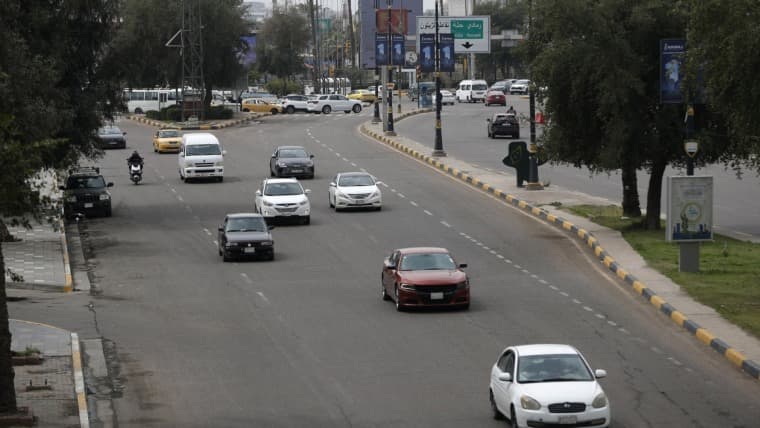
Shelly Kittleson, an American freelance journalist who spent more than a decade reporting from Iraq's most dangerous frontlines, was kidnapped Tuesday evening on Saadoun Street in central Baghdad, near the Baghdad Hotel, in a brazen abduction that lays bare how quickly the capital's security environment has deteriorated for foreign media and civil society.
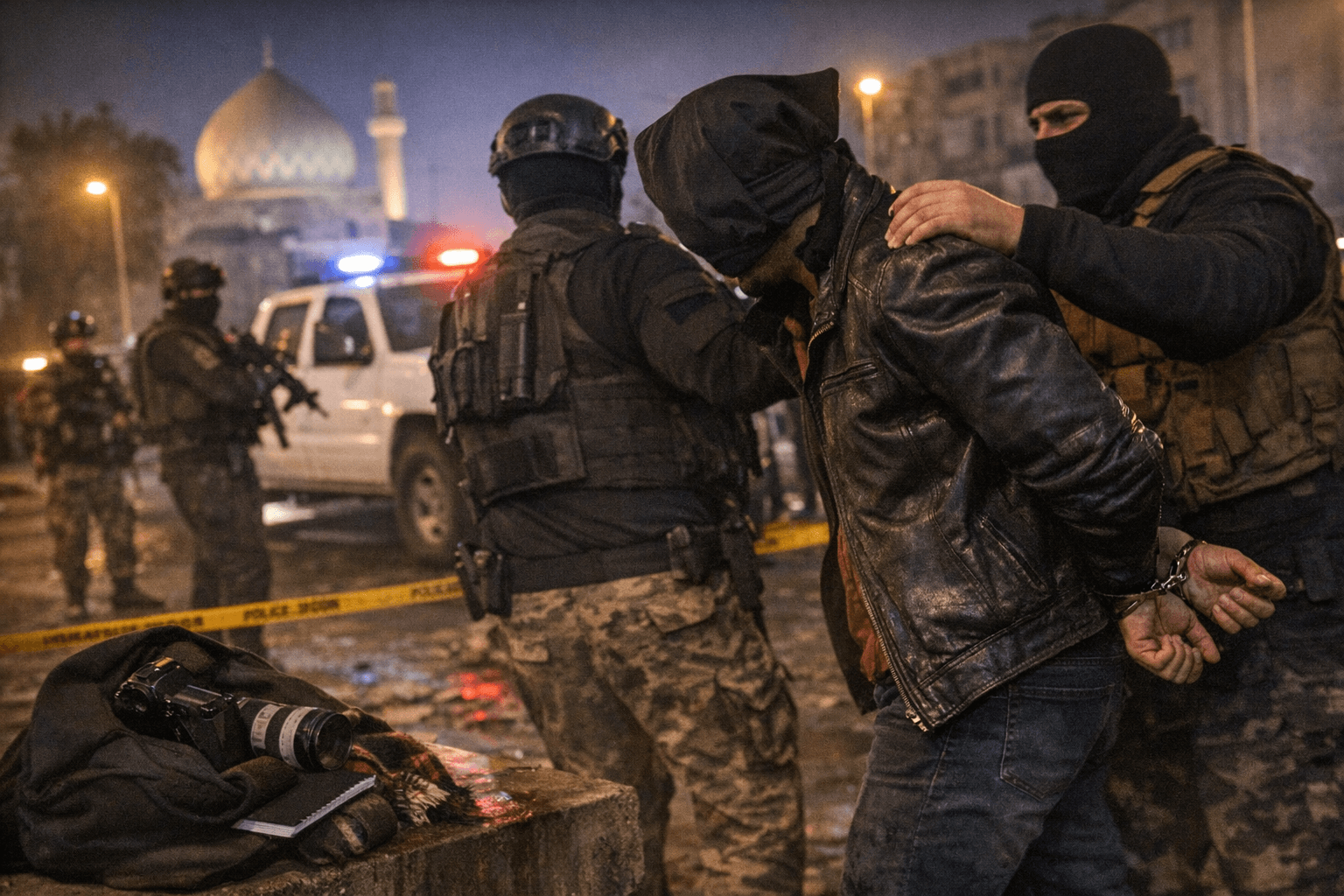
Iraqi security forces launched an immediate pursuit based on what the Interior Ministry described as "precise intelligence." During the operation, forces intercepted a vehicle connected to the suspects; the car overturned as perpetrators attempted to flee, but Kittleson was not found inside. One suspect was arrested and one vehicle seized; additional perpetrators remained at large as of Tuesday evening. The ministry confirmed the kidnapping was carried out using two vehicles, and affirmed that "efforts are ongoing to track down the remaining individuals involved, secure the release of the kidnapped journalist, and take all necessary legal measures against all those involved in this criminal act, in accordance with the law."
Some outlets, citing Iraqi news outlet Akeed Press, attributed the kidnapping to Kataib Hezbollah, a U.S.-designated foreign terrorist organization with close ties to Iran. Unconfirmed reports on Iraqi social media alleged that Kittleson was being moved south toward Babylon province and the town of Jurf al-Sakhar, which has historically functioned as a Shia militia stronghold. Neither claim has been officially confirmed.
The U.S. State Department confirmed it is aware of the kidnapping and is working with Iraqi authorities to secure her release. Alex Plitsas, a nonresident senior fellow at the Atlantic Council and former Pentagon official, publicly identified Kittleson on X, disclosing that he is her designated U.S. point of contact.
Kittleson contributes to Al-Monitor, Foreign Policy, Politico, BBC World Service, and New Lines Magazine, with a reporting focus on security issues, militias, and the human cost of war. She received Italy's Premio Caravella award in 2017 for her warzone journalism. Al-Monitor issued a statement calling the situation alarming: "We call for her safe and immediate release." She had recently traveled to Iraq specifically to report on the civilian impact of the ongoing U.S.-Israel military campaign against Iran.
Tuesday's abduction did not occur in a vacuum. The U.S. Embassy in Baghdad has maintained a Level 4: Do Not Travel advisory throughout March 2026 and issued a security alert on March 29, just two days before the kidnapping, warning that "U.S. citizens choosing to remain in Iraq are doing so at significant risk" and that Iran-aligned terrorist militias may specifically attempt to kidnap Americans.
The broader pattern of violence against journalists reinforces the scale of the threat. The Committee to Protect Journalists documented an attack on a television crew in Kirkuk in mid-March 2026, allegedly by fighters affiliated with the Popular Mobilization Forces, an Iraqi armed forces branch that includes Iran-aligned factions. Meanwhile, Iraqi security forces themselves have come under attack in Anbar province and elsewhere amid the regional escalation.
The most direct precedent is Elizabeth Tsurkov, a Princeton University researcher who vanished at a Baghdad café in March 2023 and was held by Kataib Hezbollah for 903 days before being freed in September 2025 under a U.S.-brokered deal. That case established a troubling template: when militia networks operating inside Iraq's security architecture take foreign nationals, resolution depends on diplomatic back-channels, not the rule of law. Whether Tuesday's arrest yields the intelligence needed to locate Kittleson will be an early test of both that precedent and the Iraqi government's capacity to act independently of the armed groups nominally under its authority.
This article was produced by Prism’s automated news system from verified source data, official records, and press releases, then run through automated quality and moderation checks before publishing. The system is built and supervised by the people who set the standards it runs under. Read our full AI policy.
Did this article answer your question?