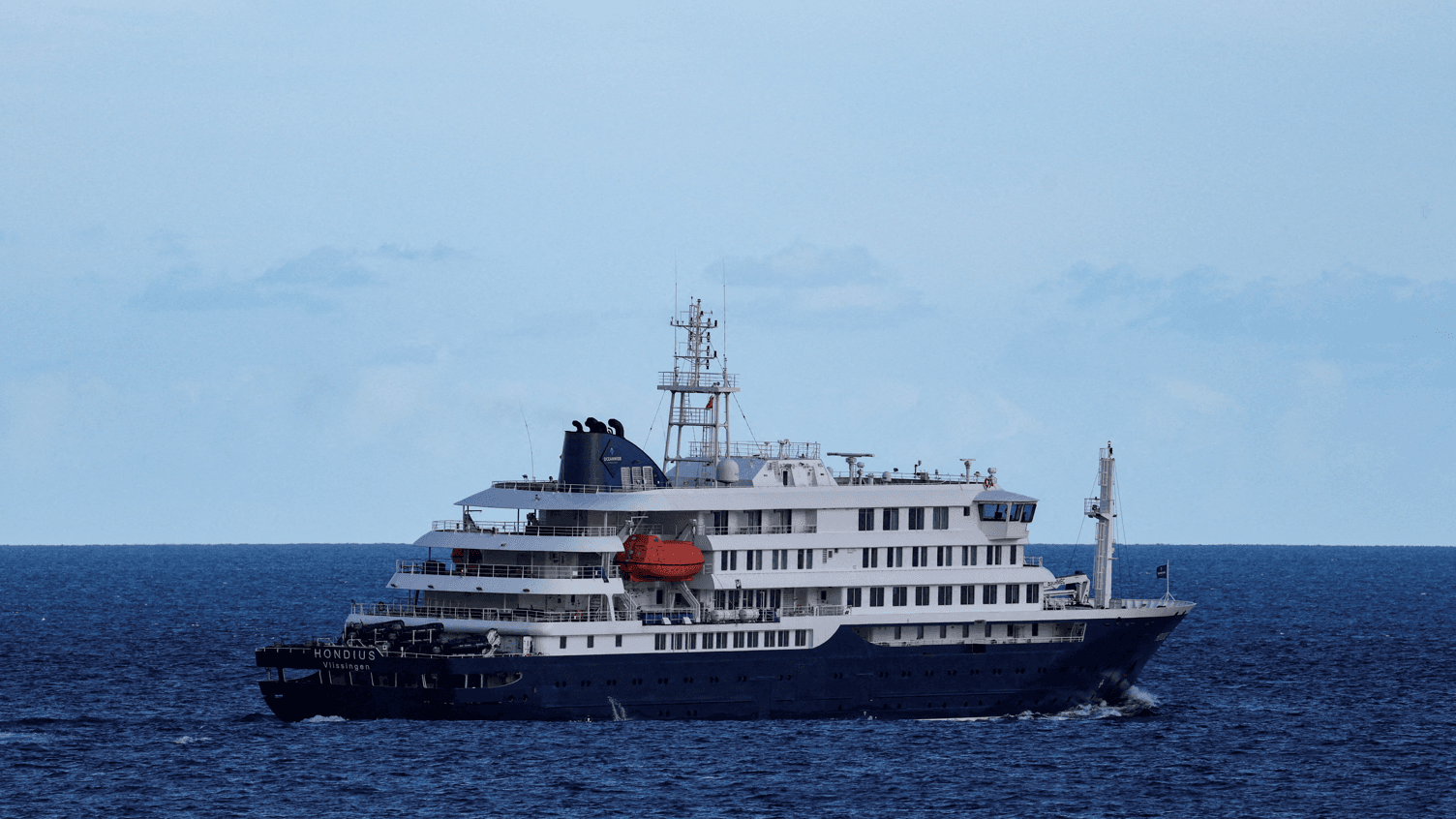
American passengers face weeks in quarantine after cruise ship hantavirus outbreak
More than 40 Americans are being held for weeks in specialized quarantine after a cruise-ship hantavirus cluster killed passengers and triggered an emergency repatriation effort.
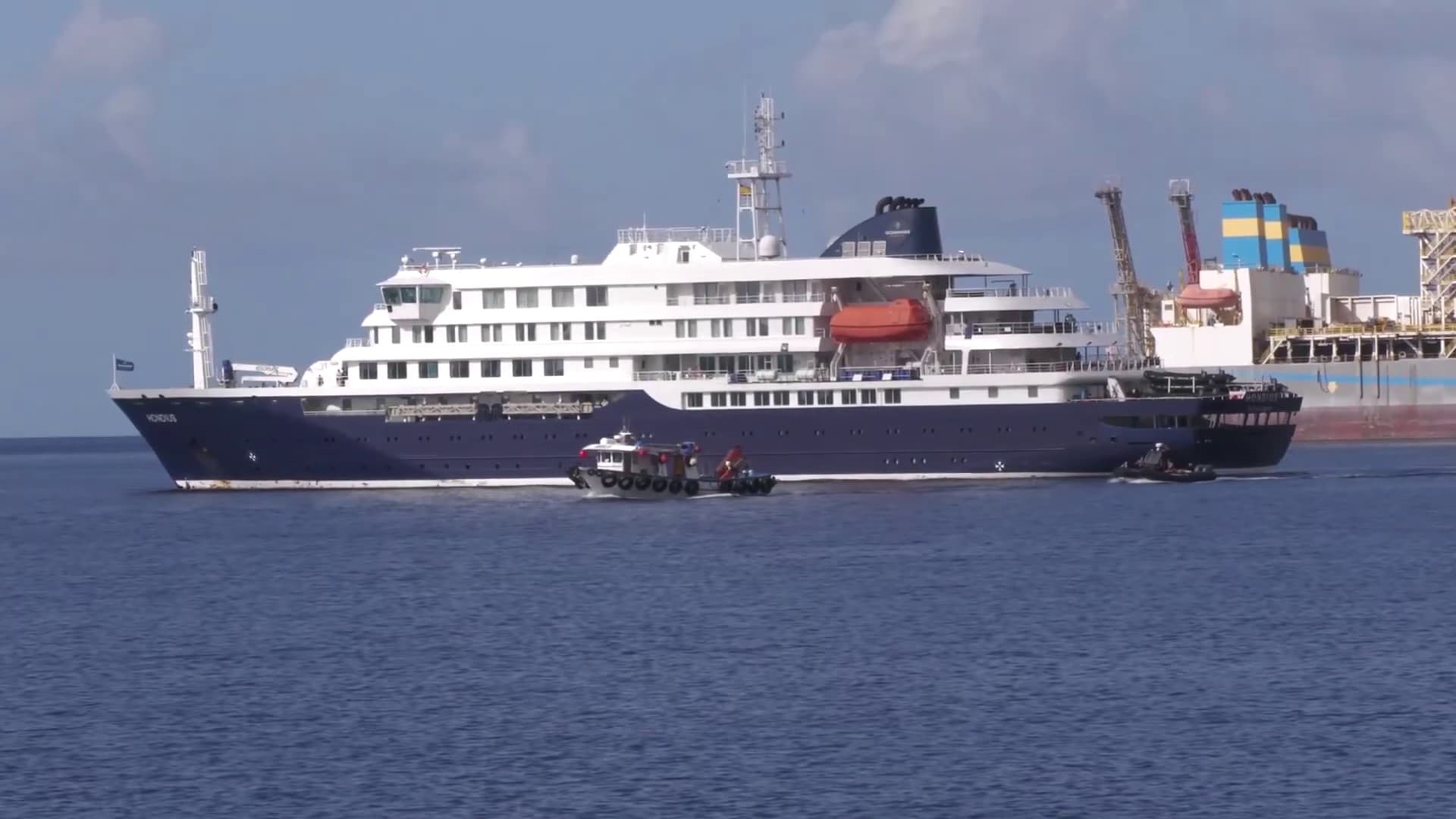
Being cut off from the outside world for weeks is now the reality for more than 40 Americans tied to a hantavirus outbreak aboard the M/V Hondius, with evacuees sent into some of the most restrictive medical isolation units in the country.
The outbreak was first reported to the World Health Organization on May 2, 2026, after severe respiratory illness spread among passengers and crew in the Atlantic Ocean. By May 6, WHO identified the virus as Andes virus, a hantavirus that can cause hantavirus pulmonary syndrome, a severe and potentially fatal lung disease. WHO had reported eight cases by May 8, including three deaths, while the Centers for Disease Control and Prevention said its outbreak summary included two deaths and one critically ill passenger.
The ship carried 147 passengers and crew, according to WHO. U.S. officials said the top priority was the safe repatriation of American passengers, and the government arranged for evacuees to be moved to specialized quarantine facilities in Omaha, Nebraska, and Atlanta, Georgia. Seventeen Americans were initially expected to quarantine at Nebraska Medicine’s National Quarantine Unit in Omaha, while two passengers were received by Emory University Hospital’s Serious Communicable Diseases Unit on May 12, 2026.
Those units are built for prolonged isolation, not ordinary hospital stays. Nebraska Medicine describes its biocontainment unit as a secured area staffed by highly trained personnel caring for patients with highly hazardous communicable diseases. The facilities use strict infection-control procedures, including high-pressure sterilization systems and specialized waste decontamination, the kind of infrastructure that turns quarantine into a controlled, prolonged wait rather than a brief observation period.
The CDC has said the risk to the American public and travelers remains extremely low, and that Andes virus is not new. It is normally found in South America, and transmission usually requires prolonged close contact with someone who is already symptomatic, which is part of why officials are monitoring exposed passengers cautiously while still aiming to prevent spread. The State Department delivered CDC health guidance to impacted Americans as the response unfolded.
The episode has also revived a long-running question about national readiness. CDC says U.S. hantavirus surveillance began in 1993 after the Four Corners outbreak, and from 1993 to 2023 a total of 890 U.S. hantavirus cases were reported. The current quarantine is a reminder that containment depends not only on epidemiology, but on whether the country can move exposed passengers quickly, house them safely, and keep them isolated without losing transparency or trust.
This article was produced by Prism’s automated news system from verified source data, official records, and press releases, then run through automated quality and moderation checks before publishing. The system is built and supervised by the people who set the standards it runs under. Read our full AI policy.
Did this article answer your question?