Americans balk at rapid data center buildout for AI boom
Only 14% of Americans would accept a data center near home, and 77% fear AI will raise electricity bills.
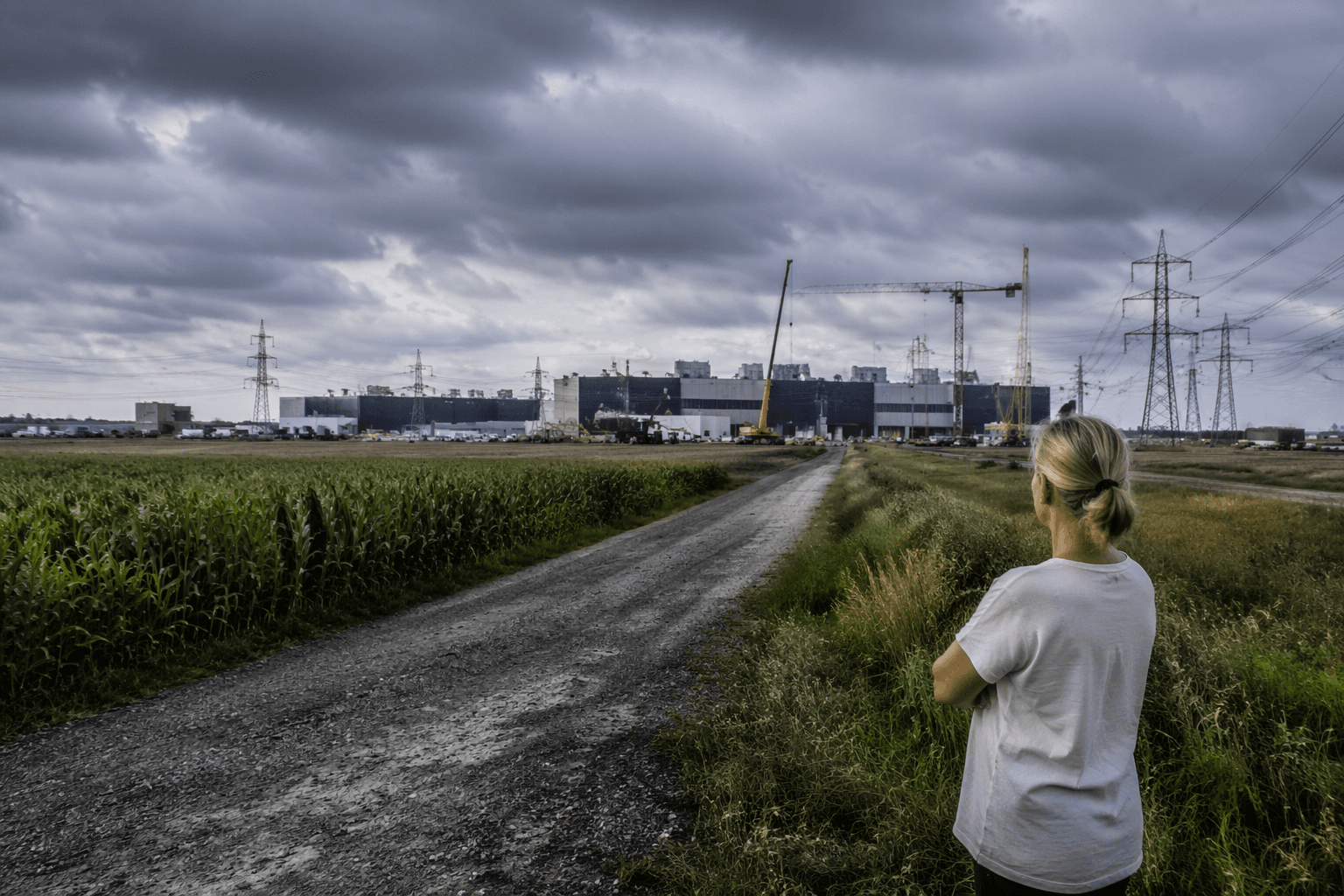
Americans are increasingly uneasy about the physical footprint of the artificial intelligence boom, and the alarm is sharpest when the projects move next door. A Reuters/Ipsos poll found that just 33% of U.S. adults said it was mainly a good thing to build data centers quickly, while 64% disagreed. Even more telling, 57% said they would oppose a data center in their own community, and only 14% said they would be okay with one near where they live.
The numbers point to a growing political problem for the companies racing to add computing capacity for AI. Consumers may welcome faster chatbots and smarter software, but they are far less enthusiastic about the industrial infrastructure behind them, especially when the trade-offs show up in electric bills, water demand, land use and local permitting fights. In the same poll, 77% said they worried AI-driven data centers would make electricity more expensive, a sign that power costs may become the most potent message for opponents.
The divide is now moving into state and federal politics. Donald J. Trump has made accelerated AI development a priority, framing it as a competition with China and pressing agencies to move faster on permits tied to the sector. On July 23, 2025, he signed an executive order titled Accelerating Federal Permitting of Data Center Infrastructure, which said it would speed the buildout of data center infrastructure and allow the administration to use federally owned land and resources for data centers. The White House also released an AI Action Plan in July 2025 with more than 90 federal policy suggestions, including steps to streamline environmental reviews and permitting.
Backlash has already begun to harden into policy. POLITICO reported in May 2026 that lawmakers in at least 28 states had introduced bills to roll back tax incentives for data centers, and later reporting showed more than 100 local governments had adopted moratoriums or restrictions. Communities from Ashburn, Virginia, to parts of Texas and the PJM Interconnection territory have raised the same complaints: noise, land consumption, water use and whether ratepayers should help subsidize transmission and generation upgrades for private facilities.
Texas Gov. Greg Abbott sharpened that argument on June 10, 2026, when he told the Public Utility Commission of Texas and ERCOT to make sure the cost of data-center infrastructure is not shifted onto electricity customers. For now, the poll suggests the AI buildout still has broad national support in the abstract, but a much weaker political foundation once the turbines, transmission lines and server halls arrive in one neighborhood at a time.
This article was produced by Prism’s automated news system from verified source data, official records, and press releases, then run through automated quality and moderation checks before publishing. The system is built and supervised by the people who set the standards it runs under. Read our full AI policy.
Did this article answer your question?


