Americans cut back on produce as cyclospora outbreak grows
Forty percent of Americans said they were eating less produce as cyclospora spread, while nearly half said they had little or no confidence in the FDA.
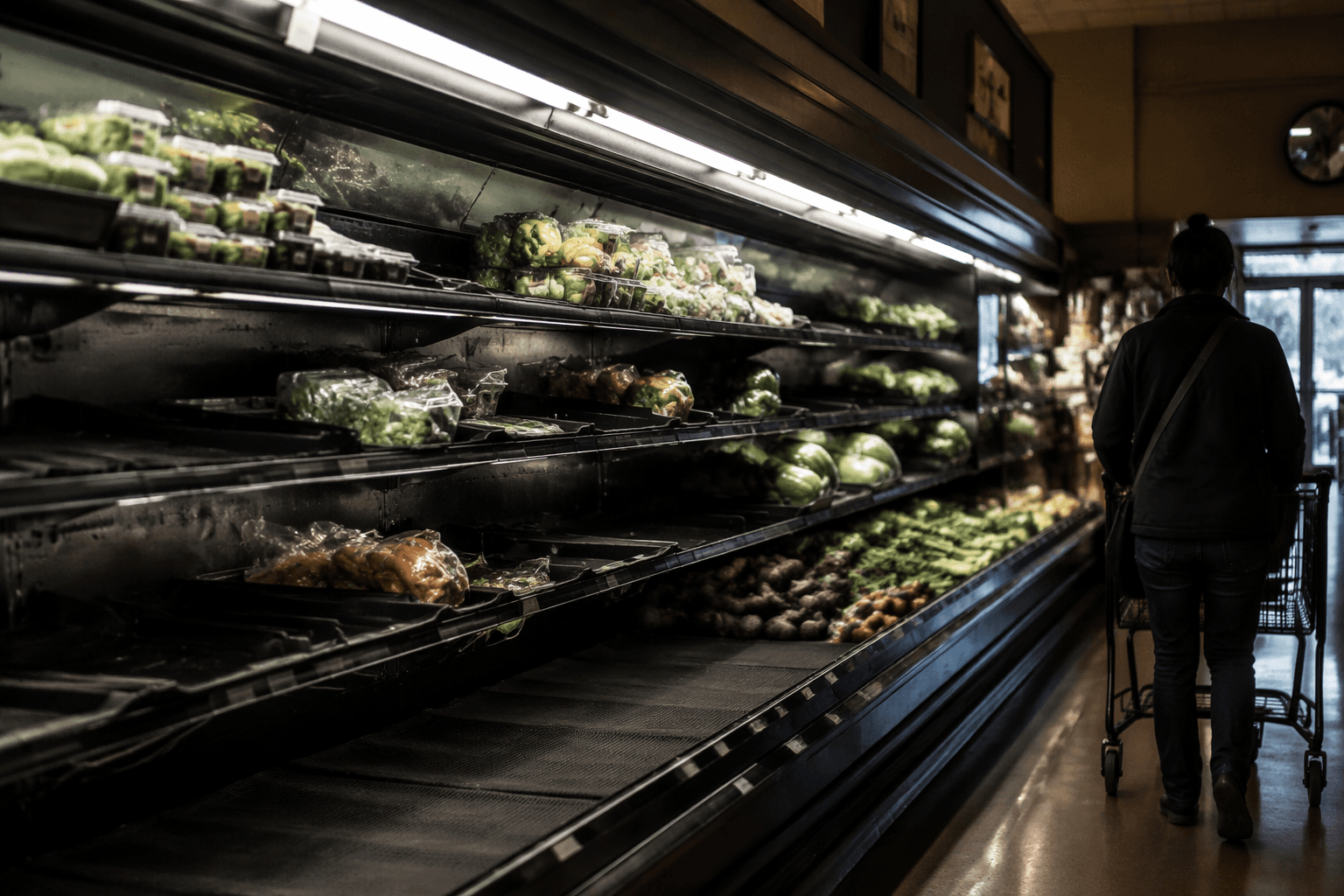
Americans are changing what they put in their carts as the cyclospora outbreak widens, with 40% saying they are buying or eating less produce and nearly half saying they have little or no confidence in the FDA to handle it. The poll, published July 26, also found that most adults were following the outbreak at least somewhat closely.
Women were a bit more likely than men to say they were cutting back on produce, and older Americans were more likely than younger adults to do the same. CBS News said attention to cyclospora was nearly as high as attention to the conflict with Iran, a sign that the food-safety scare has broken into the broader public conversation rather than staying limited to grocery aisles and health pages.
The concern is tied to a multistate outbreak linked by federal investigators to iceberg lettuce sourced from central Mexico and recalled by Taylor Farms de Mexico. By July 21, U.S. cyclosporiasis cases had topped 4,100, and two days later the FDA said it had added a separate cyclospora outbreak with 72 cases to its investigations, while stressing that it was not linked to the recalled lettuce.
The agency and the CDC were tracing multiple clusters as state and federal health officials continued to look for the source of contamination. Former FDA food safety chief Susan Mayne advised consumers to steer clear of bagged salads as infections surged, underscoring how quickly a contamination scare can alter buying habits and hit produce sales before the source is fully pinned down.
The outbreak has become a test of the FDA’s credibility as much as a public health crisis. For shoppers, the immediate response has been caution at the produce aisle; for growers and shippers, it is the risk that one contamination scare can depress demand far beyond the farms and products directly named in the investigation.
This article was produced by Prism’s automated news system from verified source data, official records, and press releases, then run through automated quality and moderation checks before publishing. The system is built and supervised by the people who set the standards it runs under. Read our full AI policy.
Did this article answer your question?