India stands by energy drink crackdown despite industry pushback
India told energy-drink makers to drop the label within 90 days, escalating a fight with Pepsi, Red Bull and Monster over marketing, misbranding and youth consumption.
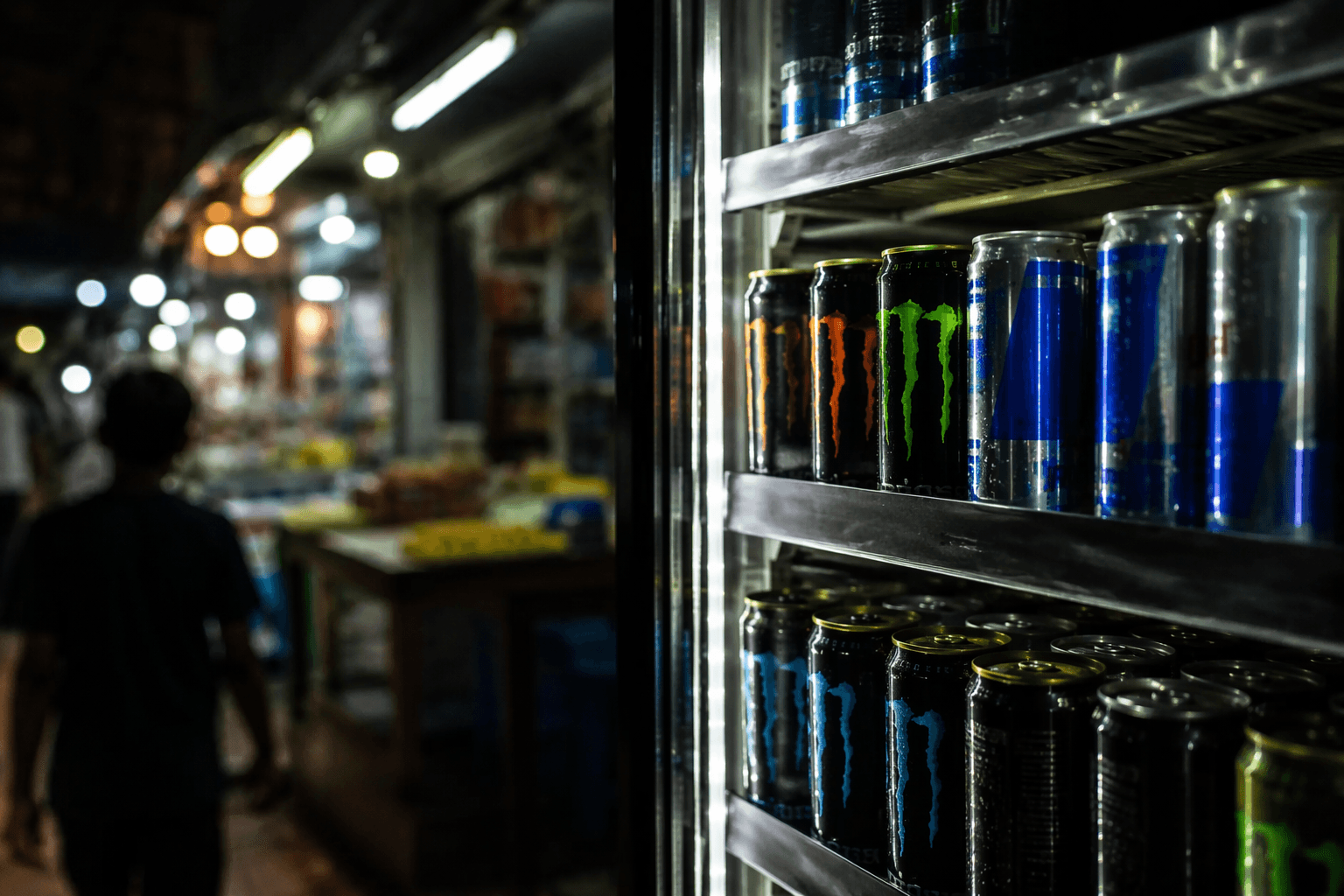
India ordered makers of high-caffeine beverages sold as energy drinks to stop using that description, and the Food Safety and Standards Authority of India gave companies 90 days to comply. The move put PepsiCo, Red Bull and Monster under pressure in one of the fastest-growing packaged beverage markets in the world, where regulators are increasingly focused on caffeine, sugar and the way drinks are marketed to younger consumers.
The crackdown widened on July 1, when FSSAI issued show-cause notices to six brands over alleged misbranding and misleading claims. The brands named in the notices included Red Bull, PepsiCo India’s Adrenaline Rush, Reliance’s Campa Energy and Campa Gold Boost, Sting, Hell Energy and Monster. In Rajasthan, authorities reportedly seized thousands of bottles and cans of Sting, Campa Energy and Red Bull as part of an enforcement drive, underscoring that the dispute had moved beyond labeling warnings and into active market policing.
Industry groups have pushed back hard. The Indian Beverage Association has sought more time and a science-based review, arguing that the category needs clearer standards rather than a rapid relabeling order. FSSAI chief executive Rajit Punhani said companies were free to challenge the decision in court, a line that leaves the matter open to legal scrutiny even as the regulator keeps pressure on the brands. The fight now turns on whether the labels and claims consumers see on shelves amount to misbranding in a category that has grown faster than the rules around it.
That growth has been sharp. India Today reported that the market expanded rapidly after Pepsi introduced Sting in 2017, with the affordable drink gaining traction among teenagers, young adults and rural consumers. That combination of price, reach and heavy marketing has made energy drinks a bigger public-health concern for officials who worry about high caffeine intake, sugar consumption and youth targeting in a country where convenience retail is expanding quickly.
The Indian crackdown also fits a wider international tightening. England said on July 16 it would ban the sale of high-caffeine energy drinks to under-16s beginning in April 2027. For global beverage companies, India has become both a major growth market and a policy test case, where rules on labels, advertising and age targeting could shape how energy drinks are sold far beyond New Delhi.
This article was produced by Prism’s automated news system from verified source data, official records, and press releases, then run through automated quality and moderation checks before publishing. The system is built and supervised by the people who set the standards it runs under. Read our full AI policy.
Did this article answer your question?