Americans say civics education is too weak, poll finds
Americans overwhelmingly say civics is underemphasized, with 80% calling it too weak and only 12% trusting Congress. The findings land as democracy itself draws deep skepticism.
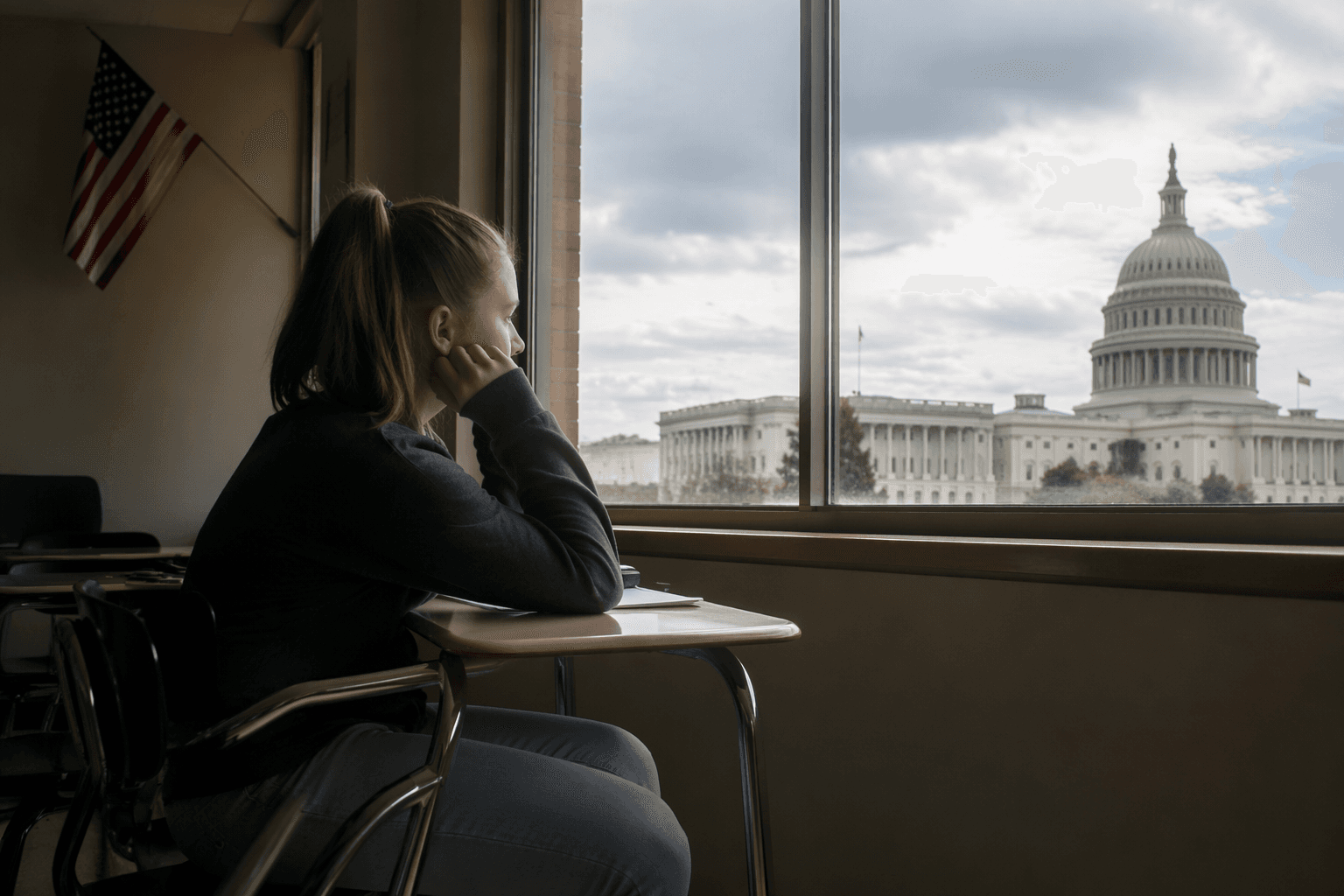
Americans say schools are not teaching enough civics, and the weakness extends beyond classroom content to the country’s confidence in its institutions. In a national NBC News poll sponsored by More Perfect, 80% of 3,000 adults said the United States puts too little emphasis on civic education, and 51% said the focus is much too little. The results suggest a broader worry: if Americans do not know how government works, or do not trust the institutions meant to teach it, the damage can reach from voting behavior to how people sort fact from rumor.
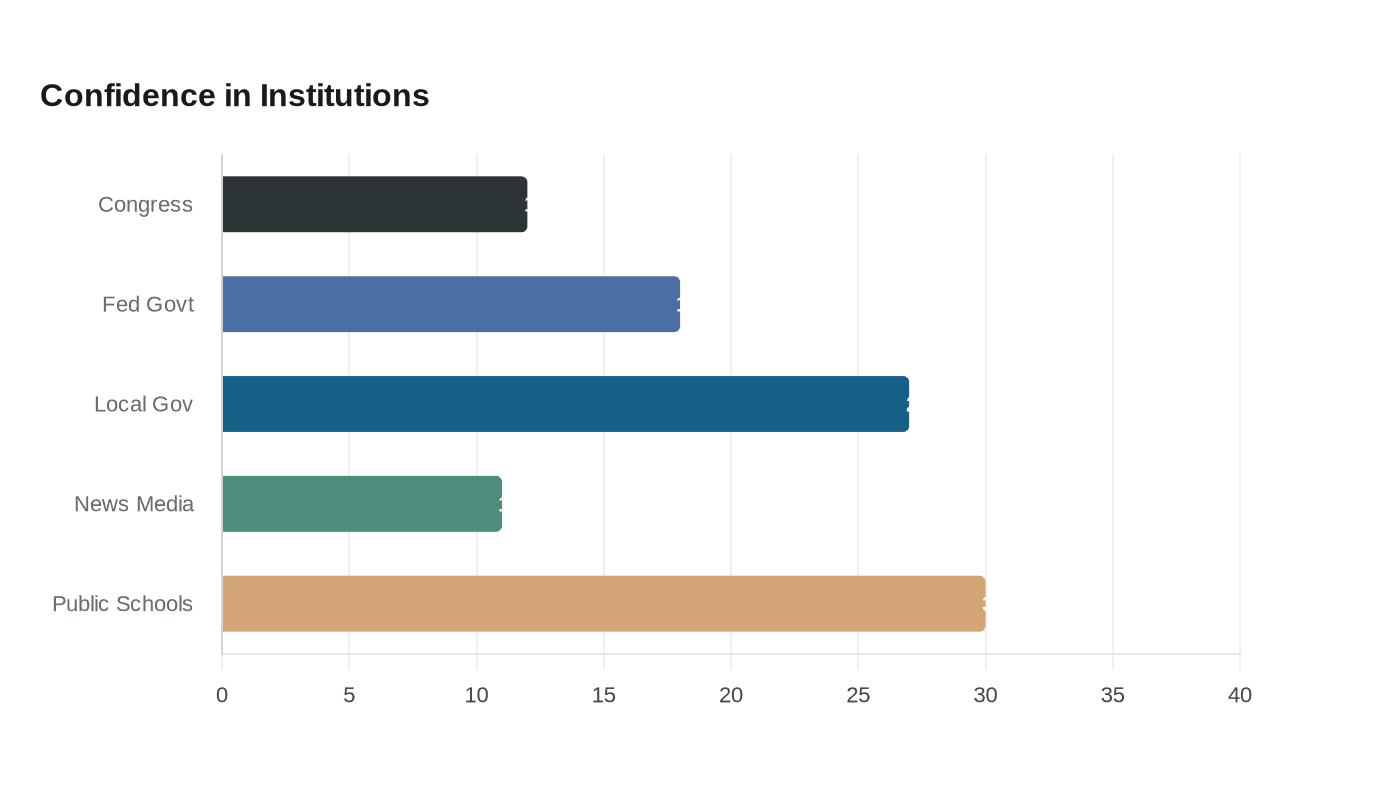
The concern cut across politics and age. Eighty-seven percent of progressives and 84% of MAGA Republicans said civics gets too little attention, and Americans in every age group agreed that the subject is lacking. At the same time, the poll exposed an acute trust gap: just 12% of adults said they have confidence in Congress, 18% in the federal government, 27% in local government, 11% in the national news media and 30% in public schools. That is not simply a curriculum problem. It is a warning sign for a democracy in which citizens are asked to judge candidates, claims and policies while doubting the systems that explain them.
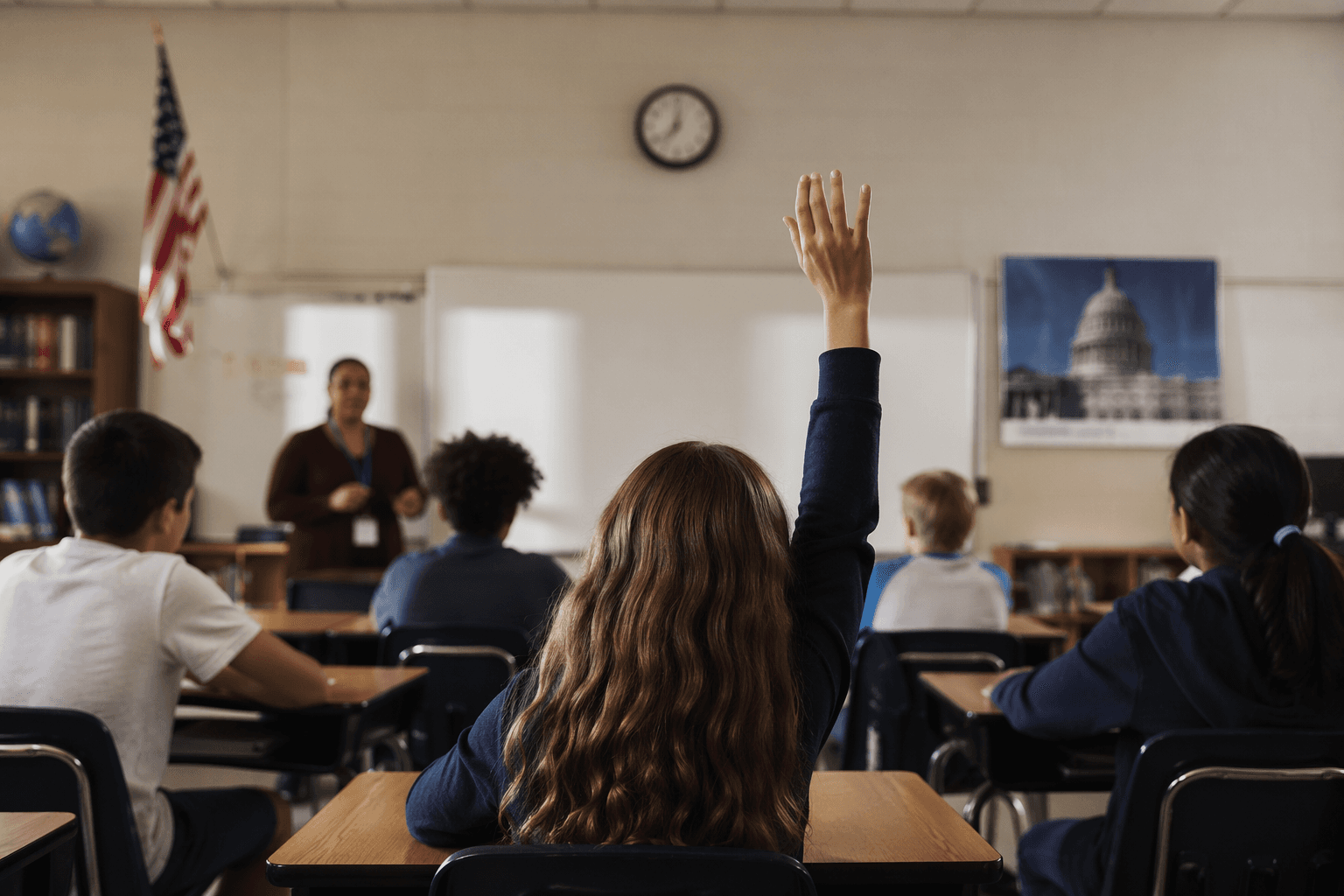
The numbers echo a March 2025 USC survey of 4,200 adults conducted from October through December 2024. That poll found that 97% believed preparing students to be good citizens should be an educational priority, yet less than a third said public schools are currently doing a good job preparing students for citizenship. Anna Saavedra, Morgan Polikoff and Jonathan Schulman have all been part of the broader USC effort to examine how schools approach civic learning, while the USC Center for Applied Research in Education and the USC EdPolicy Hub have highlighted the same tension: public demand for civics is strong, but confidence in delivery is weak.
The debate lands as the nation nears its 250th anniversary in 2026, when questions about self-government are especially pointed. Thomas Jefferson argued at Monticello in Charlottesville, Virginia, that only educated citizens could make the American experiment succeed, and the Library of Congress has summarized his view with the line that “education & free discussion are the antidotes” to ignorance. James Madison, too, built his case for the republic around constitutional safeguards and informed participation. Yet a June 10, 2026 Pew survey found 69% of U.S. adults dissatisfied with the way democracy is working in America, a level of discontent higher than in most other high-income countries surveyed. In Washington, D.C., Philadelphia and elsewhere, the argument is no longer just about what civics class should cover. It is about whether Americans still trust the institutions that make citizenship possible.
This article was produced by Prism’s automated news system from verified source data, official records, and press releases, then run through automated quality and moderation checks before publishing. The system is built and supervised by the people who set the standards it runs under. Read our full AI policy.
Know something we missed? Have a correction or additional information?
Submit a Tip