Americans Turn Against Data Centers as Energy Costs and Environmental Concerns Rise
Americans are noticing data centers, and the verdict is turning sharply negative where power bills, water use, and suburban land are on the line.
A bipartisan backlash is taking shape
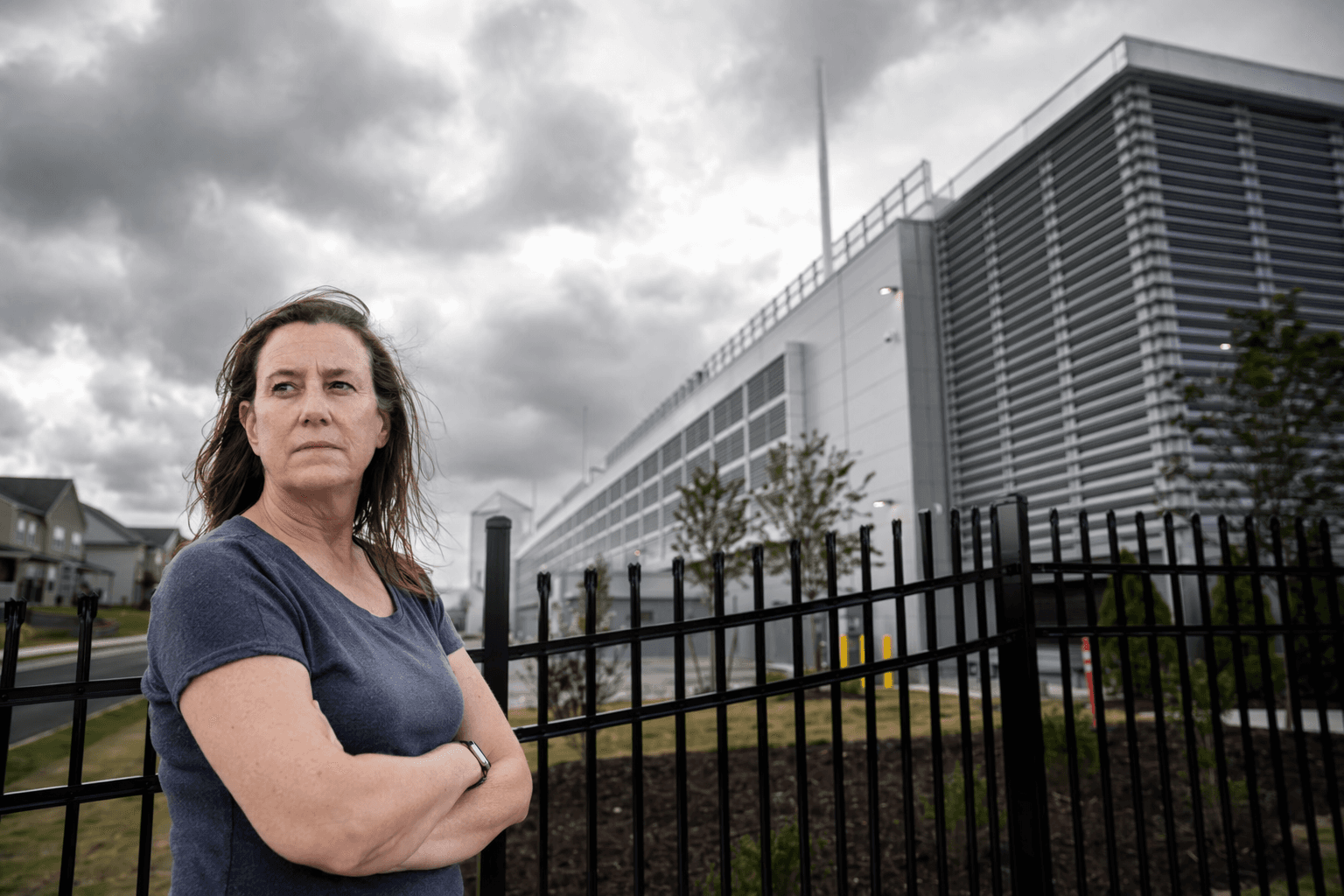
Data centers are no longer a niche tech issue. They have become a local political flash point, and the new public mood is strikingly broad. In Pew Research Center’s first survey on U.S. opinion about data centers, 75% of adults said they had heard a lot or a little about them, and the balance of sentiment leaned negative on the issues that hit home most directly: the environment, home energy costs, and quality of life in nearby neighborhoods.
That matters because the industry has long sold itself as invisible infrastructure, a necessary support system for cloud computing and artificial intelligence. Instead, the projects are increasingly being treated like any other large land use with winners and losers attached. The backlash is not coming from one party or one region; it is building around practical concerns that cut across suburban and exurban America, where people tend to vote on taxes, traffic, school funding, and utility bills more than on abstract debates about digital infrastructure.
Why the opposition is spreading
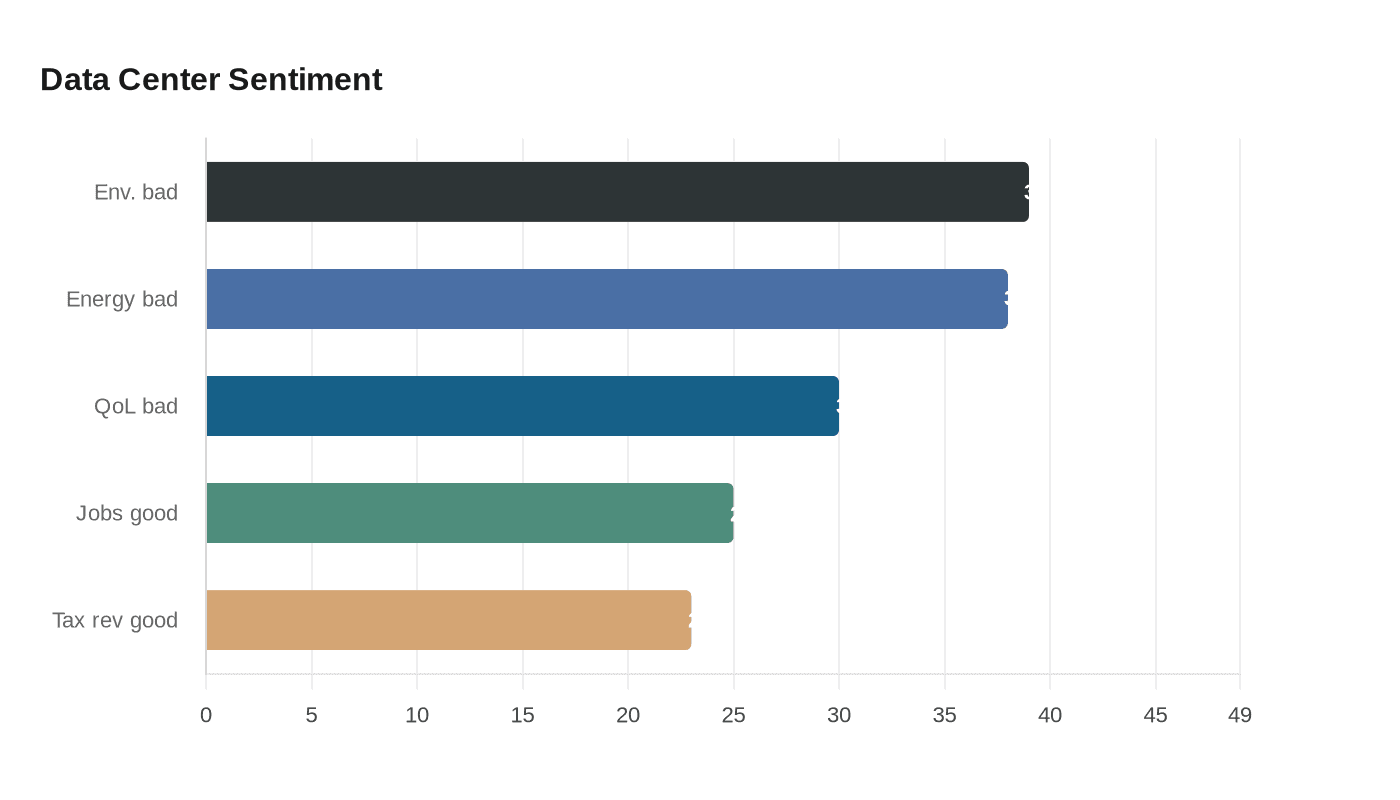
The Pew survey, based on 8,512 U.S. adults interviewed from Jan. 20 to 26, 2026, shows the core of the problem. Thirty-nine percent said data centers are mostly bad for the environment, 38% said they are mostly bad for home energy costs, and 30% said they are mostly bad for the quality of life of people nearby. Those are not fringe numbers. They suggest that the public is connecting data centers with very concrete burdens: electricity demand, water use, noise, land use, property values, and the loss of local control over where and how a project gets built.
Yet the industry’s political argument still has traction in one crucial place: jobs and tax revenue. More Americans said data centers are mostly good than bad for local jobs, 25% versus 15%, and for local tax revenue, 23% versus 12%. That split explains why the debate is so hard to resolve. Local officials are being told that these projects bring capital investment and a stronger tax base, while residents are seeing the same projects as large-scale neighbors with heavy utility needs and thin visible benefits.
That mismatch has turned data centers into a rare case where local quality-of-life politics are scrambling the usual partisan map. The issue does not fit neatly into a culture-war frame. Instead, it behaves like a classic suburban land-use fight, where people who may disagree on national politics can unite around a shared suspicion that a project will raise costs and reduce control without making daily life better.
The power problem is now a national story
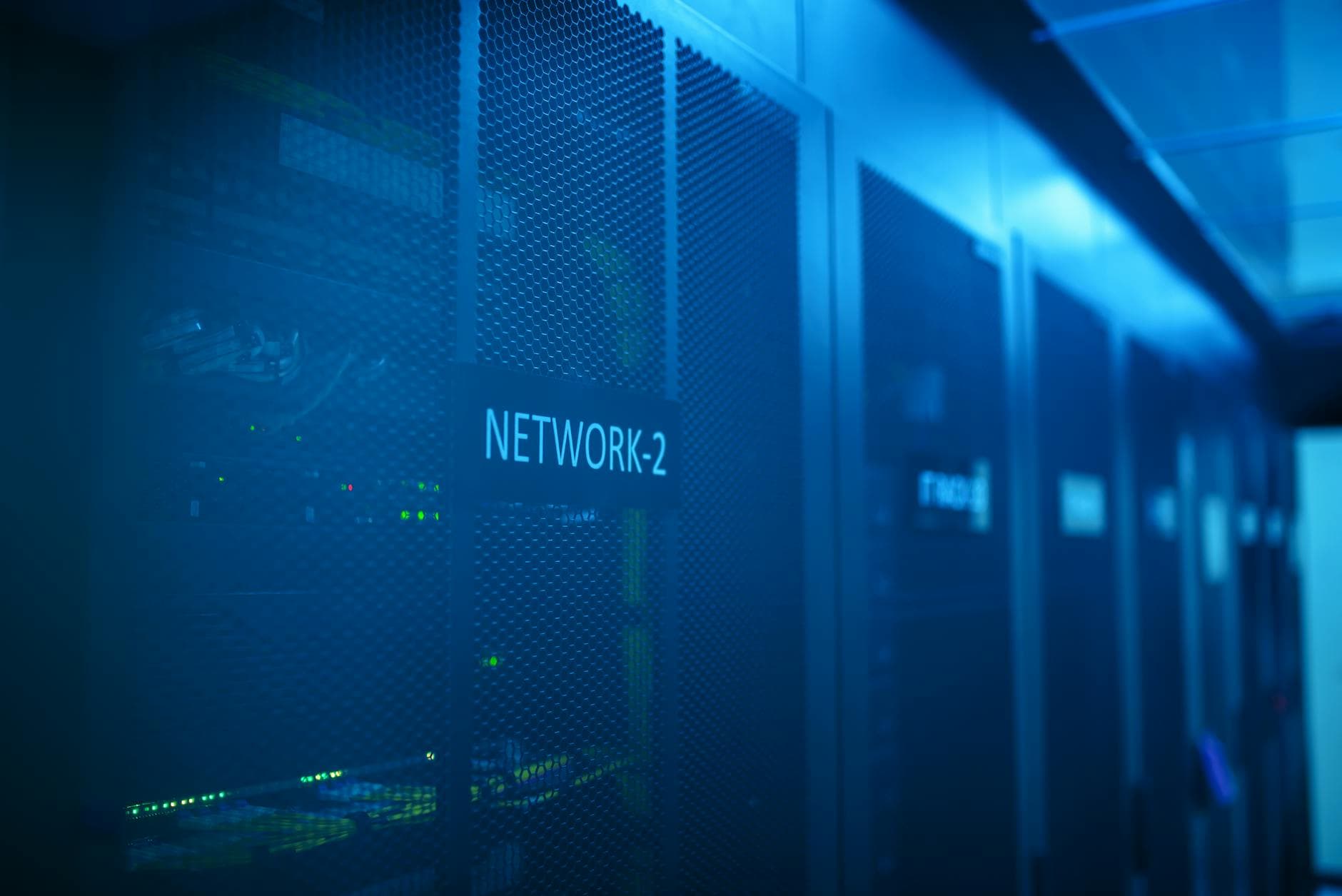
The energy side of the debate is getting harder for the industry to dismiss. On Jan. 13, 2026, the U.S. Energy Information Administration said U.S. electricity use was expected to rise 1% in 2026 and 3% in 2027, calling it the strongest four-year growth period in electricity demand since 2000 and tying the increase explicitly to data centers. That is a major shift for a power system that has spent years planning around relatively modest load growth.
The EIA reinforced that concern on March 25, 2026, when it launched three voluntary pilot field studies to measure data-center energy consumption in Texas, Washington state, and Northern Virginia, Washington, D.C. The agency identified 196 companies operating data centers in those regions for the pilot survey. It also warned in an April 8 outlook that electricity consumption is projected to keep growing through 2050, with server use in data centers a major factor.
For households, this is where the issue becomes personal. Even people who never visit a data center can feel its footprint in utility bills, local grid upgrades, and debates over who should pay for transmission lines and substations. The industry argues that these facilities are essential to the AI boom and that operators are prepared to pay the full cost of service for the power they use, including transmission. But that argument has not erased the fear that ordinary ratepayers will end up subsidizing an industrial build-out they did not ask for.
Local politics are turning into a map of resistance
The backlash is already measurable. NBC News reported in November 2025 that Data Center Watch found $98 billion in projects blocked or delayed in just a three-month stretch earlier in 2025, compared with $64 billion blocked or delayed between 2023 and late March 2025. The same reporting said active opposition was underway in 17 states, with 53 groups taking action against 30 projects. That is the pattern of a sustained movement, not scattered NIMBY complaints.
The resistance has spread across states with very different political cultures. Key projects were blocked or delayed in Indiana, Kentucky, Georgia, and South Dakota, among others. In Maine, Reuters reported on April 24, 2026, that Democratic Gov. Janet Mills vetoed a bill that would have made the state the first in the country to impose a moratorium on large new data centers. The veto did not end the debate, but it showed how quickly the fight can reach the governor’s office once local opposition hardens.
That is the broader political warning for tech companies and state leaders. Once data centers are seen less as invisible digital plumbing and more as large industrial sites competing for land, water, and power, they become vulnerable to the same coalition politics that can stall factories, warehouses, and transmission projects. The problem is not only environmental. It is also about whether communities believe they are getting a fair bargain.
Virginia is the clearest test case
No state captures the tension better than Virginia. It hosts the world’s largest concentration of data centers, and Northern Virginia is widely described as the busiest data center market in the world. That concentration has made the region a proving ground for the industry’s claims and its critics’ concerns.
Virginia also shows how quickly a technology story can become a suburban governance story. Residents and local officials are increasingly treating data centers like conventional land-use and environmental battles, not purely technical infrastructure projects. That shift matters because it changes the venue of the fight: away from corporate strategy decks and toward zoning boards, utility regulators, county supervisors, and governors.
The long-term implication is clear. If the current backlash keeps building, data centers may force a new framework for tech policy, one that ties AI expansion to energy planning, water policy, local tax fairness, and siting rules. The industry can still make its case, and it has real economic arguments to offer. But the political center of gravity has moved. Data centers are no longer just powering the digital economy, they are testing how much strain local communities are willing to absorb in its name.
This article was produced by Prism’s automated news system from verified source data, official records, and press releases, then run through automated quality and moderation checks before publishing. The system is built and supervised by the people who set the standards it runs under. Read our full AI policy.
Did this article answer your question?
%3Amax_bytes(150000)%3Astrip_icc()%2FCertificate-of-deposit-2301f2164ceb4e91b100cb92aa6f868a.jpg&w=1920&q=75)