Spirit Airlines rescue talks falter as bankruptcy and liquidation loom
Spirit Airlines was nearing a shutdown as bailout talks unraveled, putting one of the country’s cheapest fare engines on the edge of liquidation.
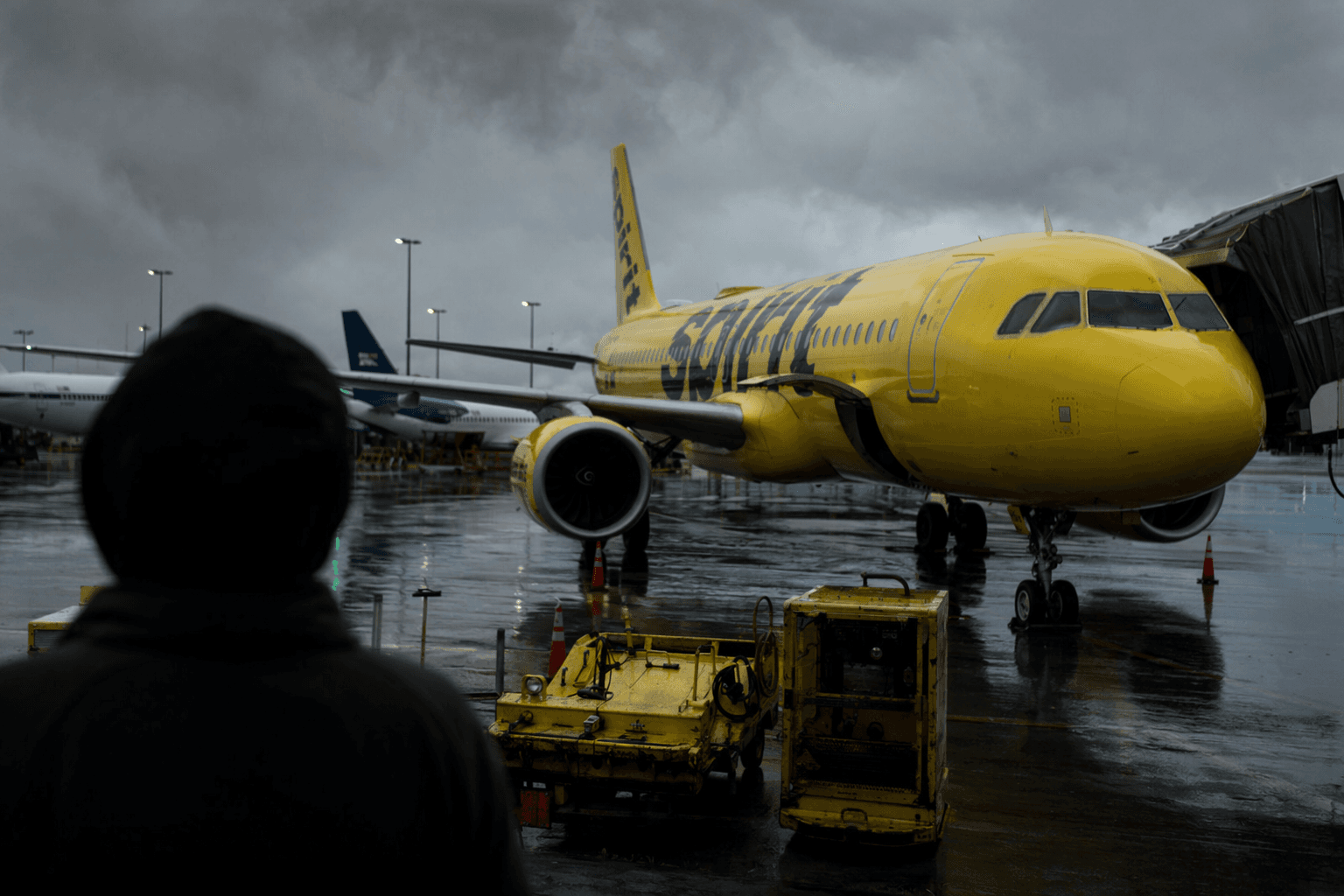
Spirit Airlines was edging toward a shutdown as rescue talks with the Trump administration frayed, threatening to pull one of the nation’s biggest discount carriers out of the market and force higher fares onto some of the most price-sensitive routes in the country.
The airline had been seeking as much as $500 million in government-backed financing, with warrants that could have given the federal government up to a 90% equity stake in Spirit. But the package never fully came together, in part because key creditor groups did not line up behind the deal. Trump said the White House had given Spirit and its creditors a “final proposal” and that the administration would help only if it was a “good deal.”
Spirit’s financial collapse has been years in the making. The carrier filed for Chapter 11 bankruptcy on November 18, 2024, after losses piled up, costs rose, planes were grounded because of engine problems, and competition intensified across the ultra-low-cost sector. It later emerged from Chapter 11 in 2025, but the pressure never let up. Spirit, based in Miramar, Florida, remains the largest U.S. ultra-low-cost carrier, which makes its fate especially important for travelers who depend on the lowest advertised fares.
The company’s troubles were deepened by the collapse of its planned $3.8 billion merger with JetBlue Airways. A federal judge blocked the acquisition on antitrust grounds in January 2024, and the two airlines terminated the agreement in March 2024. That left Spirit without the strategic lifeline it had hoped could stabilize the business and expand its network.
By late April, two of Spirit’s three major creditor groupings had backed the bailout plan, but one still had not. Reuters reported on May 1 that Spirit was preparing to cease operations after failing to bring certain bondholders and the U.S. government into alignment. Spirit said it was operating as usual despite reports that it was preparing to shut down.
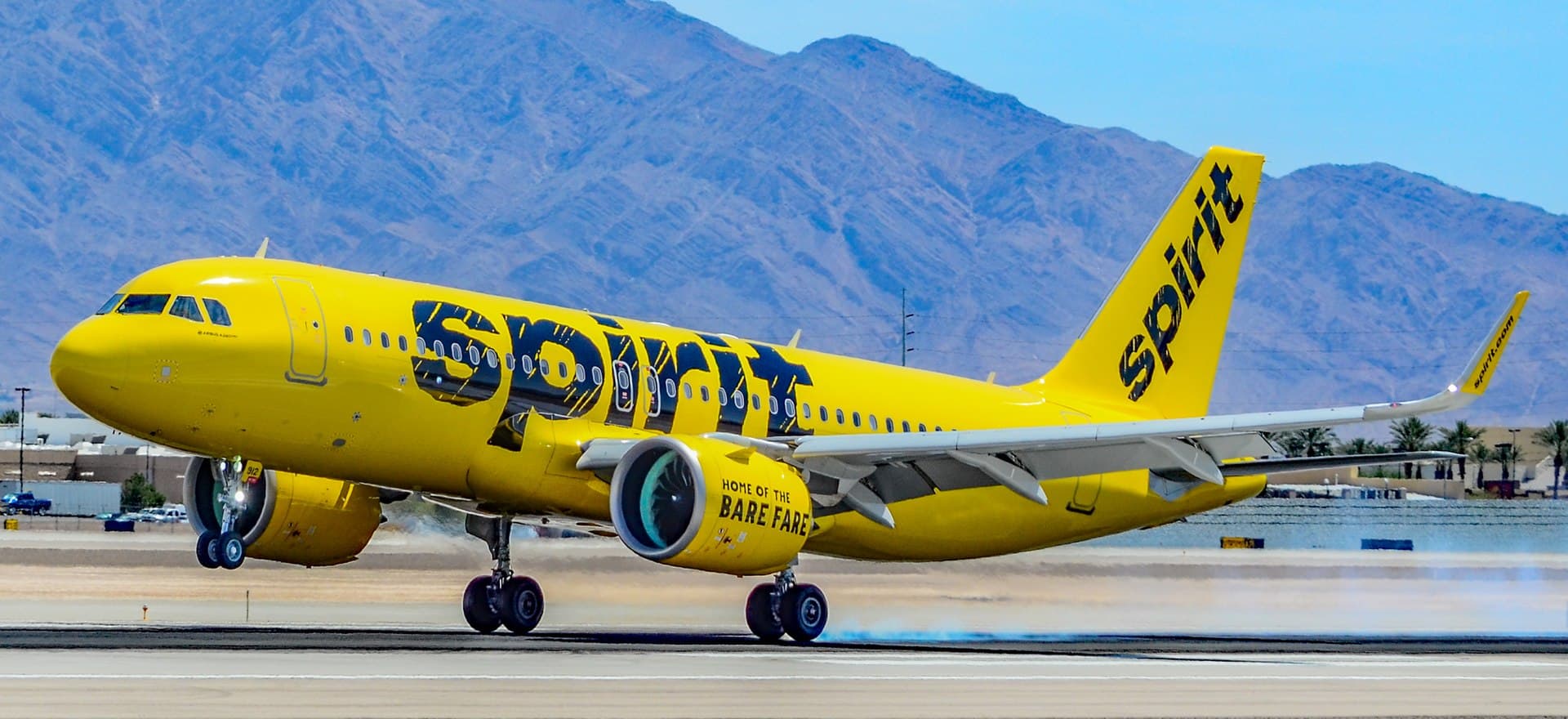
If Spirit disappears, the immediate effects would be felt most clearly by travelers on routes where it has long forced down prices through bare-bones service and aggressive discounts. Analysts have warned that without Spirit’s pressure, low-fare options could shrink and ticket prices could rise, especially in markets where competitors have been forced to match its fares. The labor fallout would be just as sharp, with pilots, flight attendants, mechanics and airport workers exposed to the kind of disruption that follows a rapid airline liquidation.
The larger question now is whether the ultra-low-cost model can survive in the United States after years of high costs, strained reliability and fierce competition. Spirit’s near-collapse suggests that even the toughest discounter in the market may no longer be able to fly on price alone.
Sources:
Know something we missed? Have a correction or additional information?
Submit a Tip