Amflow PX makes lightweight electric mountain bikes feel fun again
Amflow’s PX recasts e-MTBs as access, not cheating, with a 20.6 kg frame, 1500W peak output and a launch price starting at $6,799.
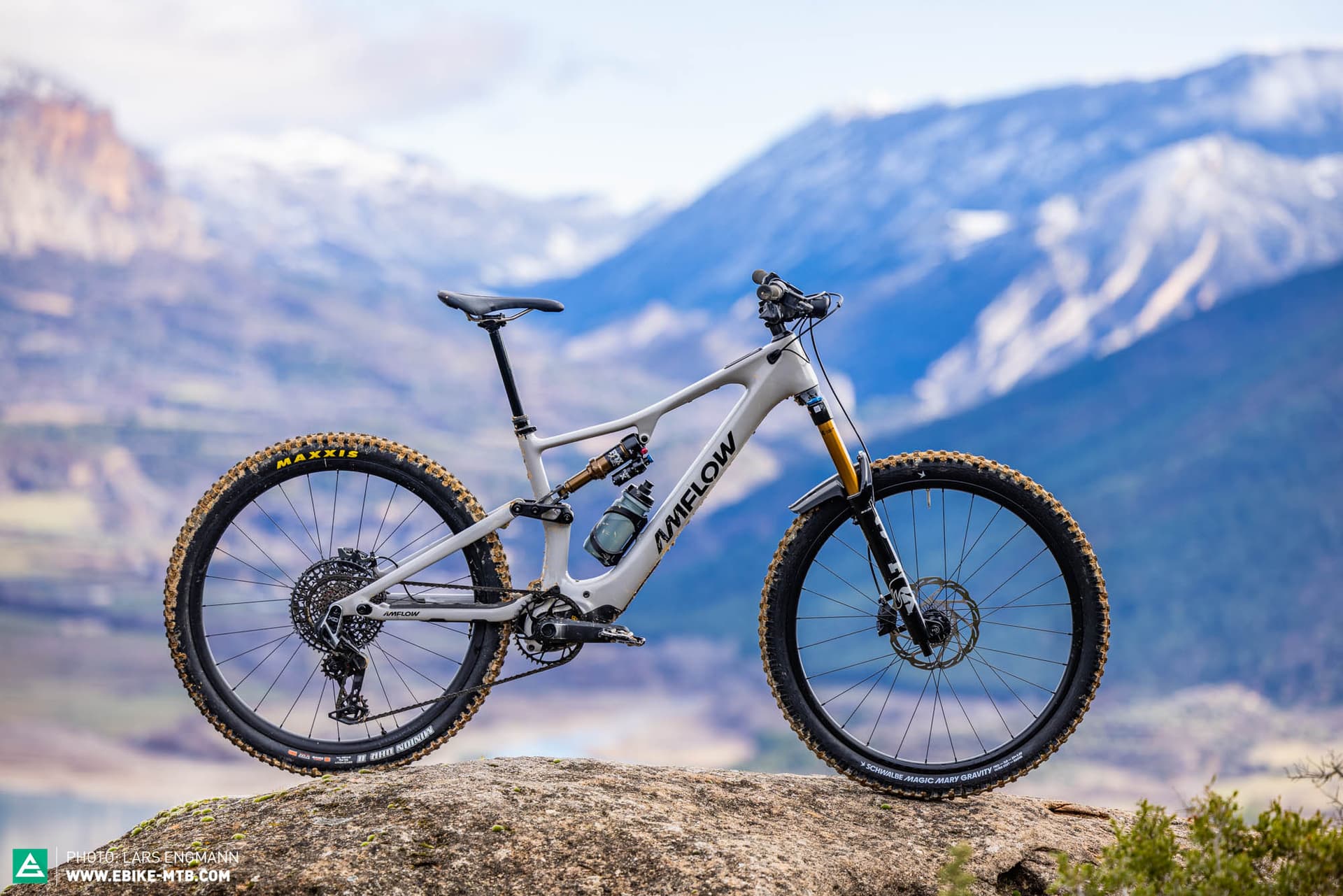
Amflow’s PX lands in the middle of a long-running argument in mountain biking: whether electric assist dilutes the ride or opens it up to more people. With a 20.6 kg frame, a 250W Avinox M2S drive unit that can surge to 1500W and 150N·m, and a launch price starting at $6,799, the bike is aimed squarely at riders who want speed and range without the old penalty of bulk.
The culture shift behind the climb
For years, purist skepticism has shaped the way many riders talk about e-mountain bikes. The charge is familiar: a motor makes climbs easier, so the effort feels less legitimate. What the PX shows is that the conversation is no longer only about purity. It is also about who can keep riding, who can join a faster group on technical climbs, and who gets shut out when the bike is too heavy or too intimidating.
That shift matters because the category is still controversial even as demand grows. Market reports published in 2026 project strong growth for electric mountain bikes and mountain e-bikes, and the product strategy around Amflow reflects that pressure to resolve the classic trade-off between power, range and weight. Lightweight full-power eMTBs are trying to prove that assistance does not have to feel like compromise.
What the PX changes on the trail
The PX’s most important figure is not its motor output, but the way that output is packaged. Amflow lists the bike at 20.6 kg on its official PX page, which puts it in a different conversation from the heavier full-power e-MTBs that many riders associate with clunky handling. A June 22, 2026 video from Jeff Kendall-Weed described the PX Carbon Pro as among the lightest full-power, full-size eMTBs currently available.
The motor spec tells the rest of the story. Amflow says the Avinox M2S drive unit is rated at 250W, with peak output up to 1500W and maximum torque of 150N·m, delivered through Trail, Turbo, Auto and Boost modes. That combination is designed to make steep climbs feel less like a battle and more like part of the ride, which is exactly why the bike has been showing up in conversations about whether e-MTBs can be fun first and still powerful enough to matter.
Launch pricing and the new entry point
Amflow officially announced the PX and PR series on April 9, 2026, from Shenzhen, and the launch framed the bike as a serious full-line product rather than a one-off halo model. Pinkbike’s launch coverage put the starting price at $6,799 USD for an Avinox M2S model, while later review coverage placed a PX Carbon Pro at $10,199 as a full-carbon eMTB. Those numbers show a market that is still premium, but no longer confined to the most expensive end of the category.
The model details also show how Amflow is trying to make the PX feel less fixed and more personal. The official site says the bike is available in Phantom Black and Moonstone Grey, and highlights 40 geometry configurations through adjustable chainstay, bottom bracket and headtube settings. That range of adjustment gives the PX a practical advantage for riders who need to fine-tune fit, handling and stability rather than accept a single factory setup.
Why lightweight support matters
The cultural argument around e-MTBs often gets flattened into a simple split between cheaters and purists, but the PX makes that debate harder to sustain. For older riders, beginners and people with physical limits, lighter assistance can be the difference between keeping up and sitting out. A bike that weighs 20.6 kg and still offers 1500W peak output does more than flatten hills. It lowers the intimidation factor that keeps many riders off steep trails in the first place.
That is why the fun argument has started to sound more serious than the old mockery of motors on mountain bikes. A lighter e-MTB is easier to handle when the trail tightens, easier to load, and less punishing when the battery is drained or the climb is longer than expected. In practice, that means the bike can broaden participation without demanding that every rider give up the experience of a real trail bike.
Amflow’s longer play
The PX also says something about Amflow’s position in the market. The brand was widely viewed as a vehicle for the Avinox system, but the April 2026 PX and PR launch suggests a company trying to stay a bike brand in its own right. That matters because product identity shapes whether riders see the bike as a short-lived tech showcase or a platform with staying power.
The timeline adds to that picture. Amflow’s July 30, 2025 announcement said the PL Carbon and PL Carbon Pro became officially available for sale in the United States starting that day, and Flow Mountain Bike noted that it had been almost two years since the launch of the Amflow PL Carbon and the Avinox motor system. Taken together, those markers show a brand moving from introduction to expansion, with the PX carrying the same push into a lighter, more adaptable format.
The PX is important because it does not ask riders to abandon the old values of control, fit and trail feel in order to get motor assistance. It instead argues that lighter full-power e-MTBs can keep the climb interesting, the descent playful and the category open to more than one kind of rider.
This article was produced by Prism’s automated news system from verified source data, official records, and press releases, then run through automated quality and moderation checks before publishing. The system is built and supervised by the people who set the standards it runs under. Read our full AI policy.
Did this article answer your question?