Vertu’s $34,000 AlphaFold foldable tests luxury AI ambitions
Vertu’s foldable sells privacy and AI control at a luxury-car price, but the real question is whether it beats a flagship phone plus software or just signals status.
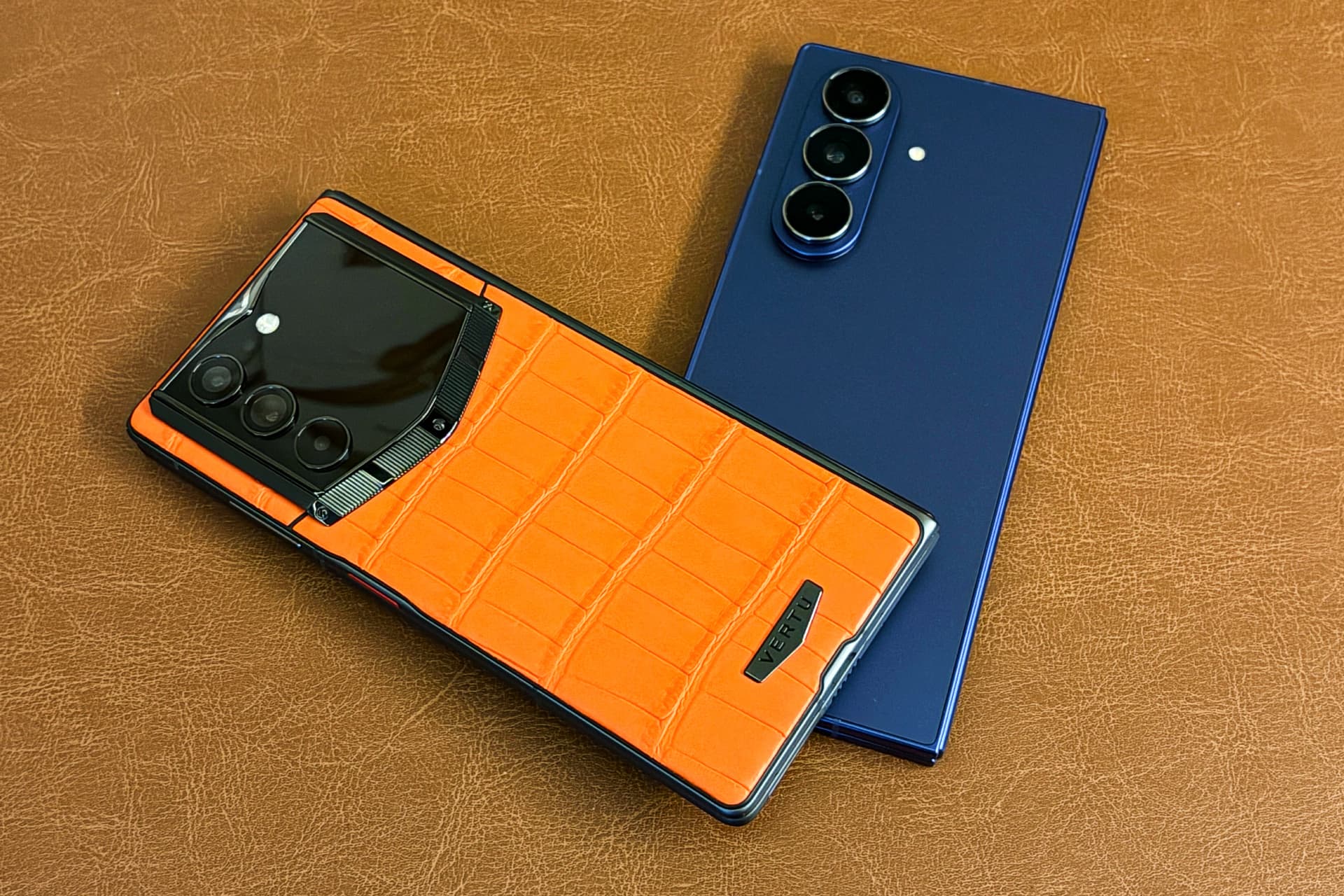
Vertu is asking executives to pay luxury-watch money for a phone that claims to act like a private AI chief of staff. The real test is not the hinge or the leather trim but whether the AlphaFold delivers daily productivity, stronger privacy, and enough battery life to justify the premium.
What Vertu is selling
Launched on May 28, 2026, the AlphaFold is Vertu’s first book-style foldable smartphone and a sign that the brand wants to move beyond its old identity as a maker of diamond-encrusted, exotic-leather phones. Vertu says the device is aimed at entrepreneurs and CEOs who value privacy and bespoke service, a message that fits the company’s long-running luxury playbook.
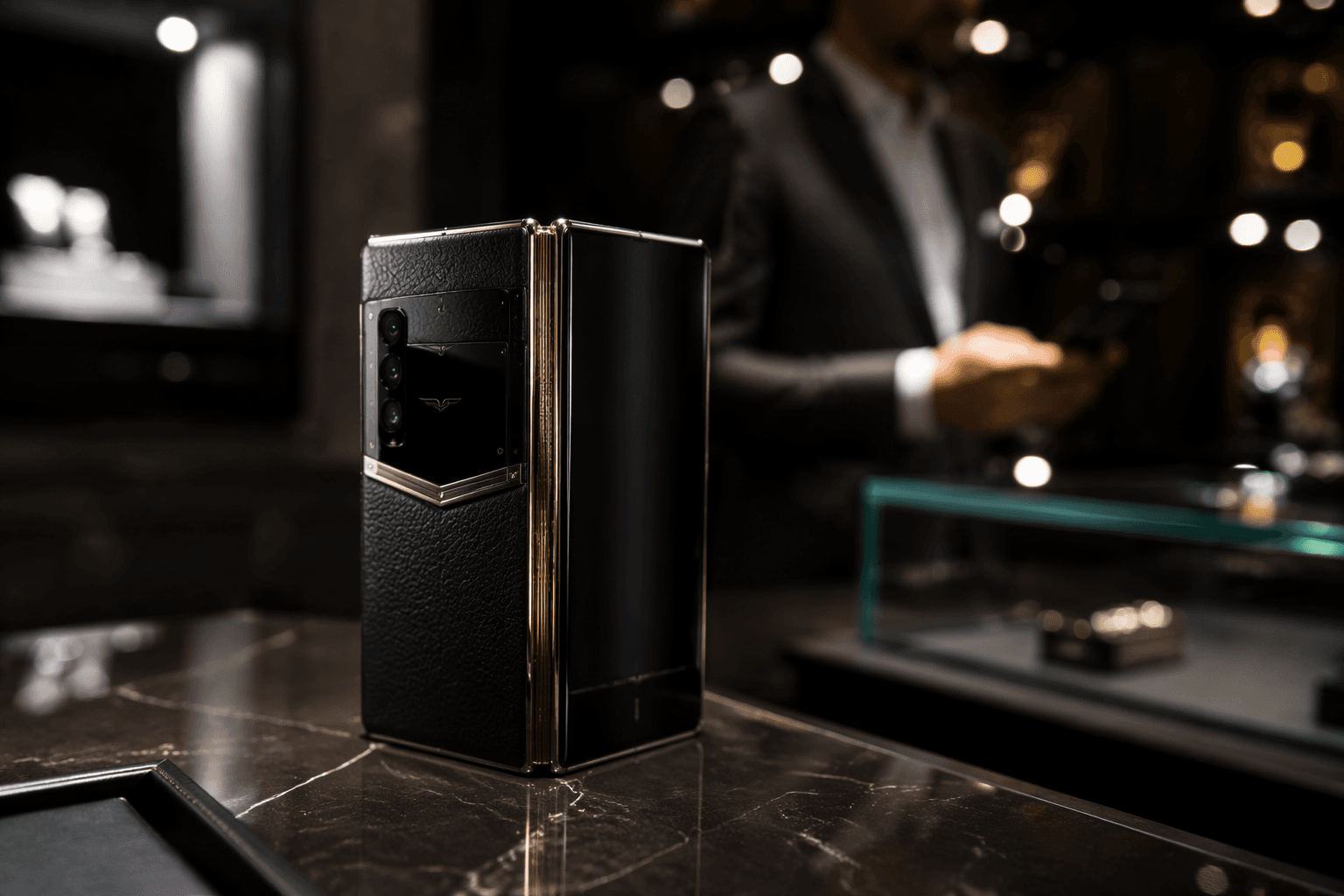
The hardware is part of that pitch. Vertu says the phone uses an 8.05-inch main display, Snapdragon 8 Elite hardware, and a titanium hinge rated for 650,000 folds. The calfskin model starts at $6,880, but other versions are priced far higher, with some configurations above $20,000 and past $30,000, and it has been shown at $34,000.
TechCrunch cast it as a device that lets CEOs run a company from an AI foldable, while CNET called it a device for the “1%.”
The AI pitch is the product’s core
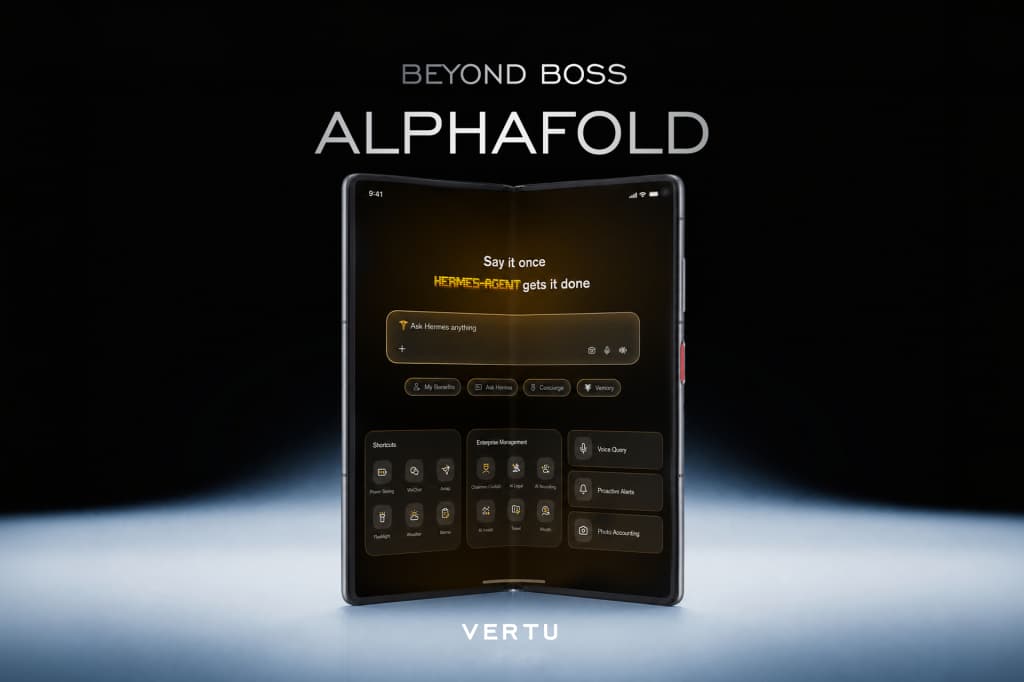
Vertu is selling the Hermes Agent as more than a chatbot. The company says the on-device AI “doesn’t assist you” but “decides with you,” and it describes the AlphaFold as both a “Private AI Chief of Staff” and an “AI command center.”
The promotional claims are unusually broad. Vertu says the phone offers 64 native functions triggered by voice, automation across more than 70 apps, and direct phone-to-ERP and CRM workflows that could let a leader move from message to action without opening a separate desktop system. Vertu’s launch materials use phrases such as “Beyond Boss,” “No cloud. No leaks. No equals,” and “On-device. Sovereign. Silent,” making the privacy case central to the product story.
On-device AI can reduce dependence on cloud processing, which appeals to buyers worried about data exposure, yet it also raises the stakes for reliability because the phone is supposed to act locally and quickly across business tools. If the assistant misfires, the burden lands on a device that is supposed to be trusted with voice-driven automation, not just entertainment.
Daily use is where the luxury story gets tested
The AlphaFold’s most practical claims are the ones that should matter most to an executive using it all day. The 8.05-inch folding display suggests productivity room, and the 650,000-fold hinge rating is meant to reassure buyers that the luxury shell will survive heavy use. But the same hardware package also raises obvious questions about weight, endurance, and whether a foldable with this much ambition can stay useful through a full workday.
Battery life is one of the main pressure points. A phone built around an 8.05-inch display, voice activation, and always-available AI features has to work harder than a conventional slab phone, and software optimization matters as much as materials or novelty. In one early review, the Snapdragon 8 Elite setup felt “strangely outdated” for a 2026 premium handset, which is a warning sign for a device that is trying to charge like a rare object while behaving like a productivity tool.
A premium mainstream phone already gives executives strong cameras, fast chips, polished apps, and access to the same enterprise software stacks many companies already use. For the AlphaFold to feel like more than expensive theater, its AI has to save enough time, reduce enough friction, and handle enough routine work that the price becomes easier to defend.
Reviewers see a gap between the pitch and the payoff
Early reaction has been split between curiosity and skepticism. WIRED called the AlphaFold’s specs decent, while Android Police went much further with a review headlined, “I reviewed the Vertu Alphafold so you don’t have to waste $6,880.” Marques Brownlee posted a January 9, 2026 video titled “The Problem with this ‘Ultra Luxury’ Smartphone.”
The Verge called the phone an AI “command center.” The tension is the same: Vertu is selling an executive tool wrapped in couture-grade materials, and the market is still deciding whether it behaves like a useful workstation or a status object with software attached.
What to watch before treating it as an executive device
The AlphaFold’s value will come down to three questions that matter far more than the price tag itself. First, can the Hermes Agent genuinely save time by handling voice-driven actions across the 70-plus apps Vertu promotes? Second, does the on-device approach deliver privacy without making the phone brittle, slow, or hard to trust for real business tasks? Third, does battery life hold up once the display, AI features, and enterprise integrations are used the way an actual executive would use them?
This article was produced by Prism’s automated news system from verified source data, official records, and press releases, then run through automated quality and moderation checks before publishing. The system is built and supervised by the people who set the standards it runs under. Read our full AI policy.
Did this article answer your question?