Amnesty says Israeli white phosphorus shelling in Lebanon may be war crime
White phosphorus can scorch flesh at extreme heat, and Amnesty says Israel’s Dhayra strike injured nine civilians and may amount to a war crime.
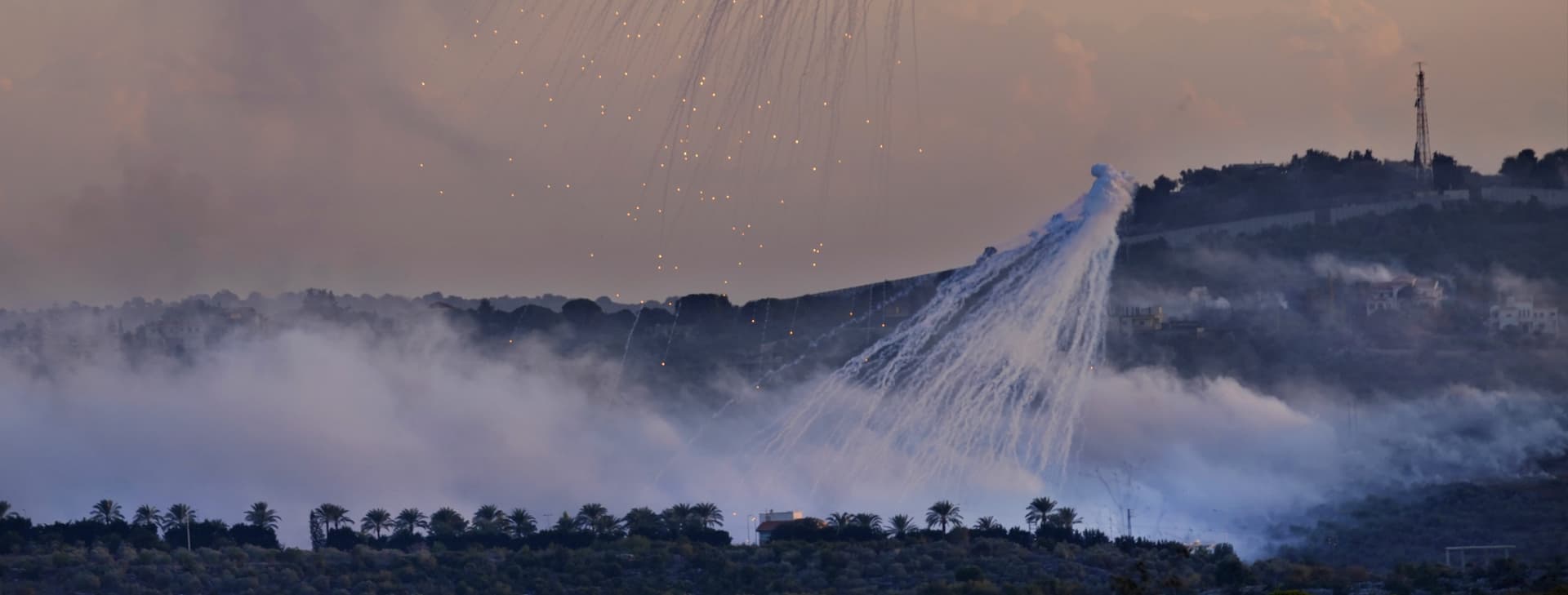
White phosphorus ignites when exposed to oxygen and burns at extremely high temperatures, which is why its use near homes, farms and streets has drawn sharp scrutiny even though it is not categorically banned. In populated areas, the substance can cause respiratory damage, organ failure, severe burns, fires in civilian property and long-term displacement, making the legal line between battlefield use and unlawful harm especially consequential.
That line turns on how the weapon is used. Under Protocol III to the Convention on Certain Conventional Weapons, an incendiary weapon is one designed primarily to set fire to objects or cause burn injury to people, while munitions with only incidental incendiary effects are excluded. The protocol also defines concentrations of civilians as inhabited parts of cities, towns or villages and requires feasible precautions to protect civilians. Amnesty International said Israel had made a 2013 pledge to stop using these weapons in populated areas.
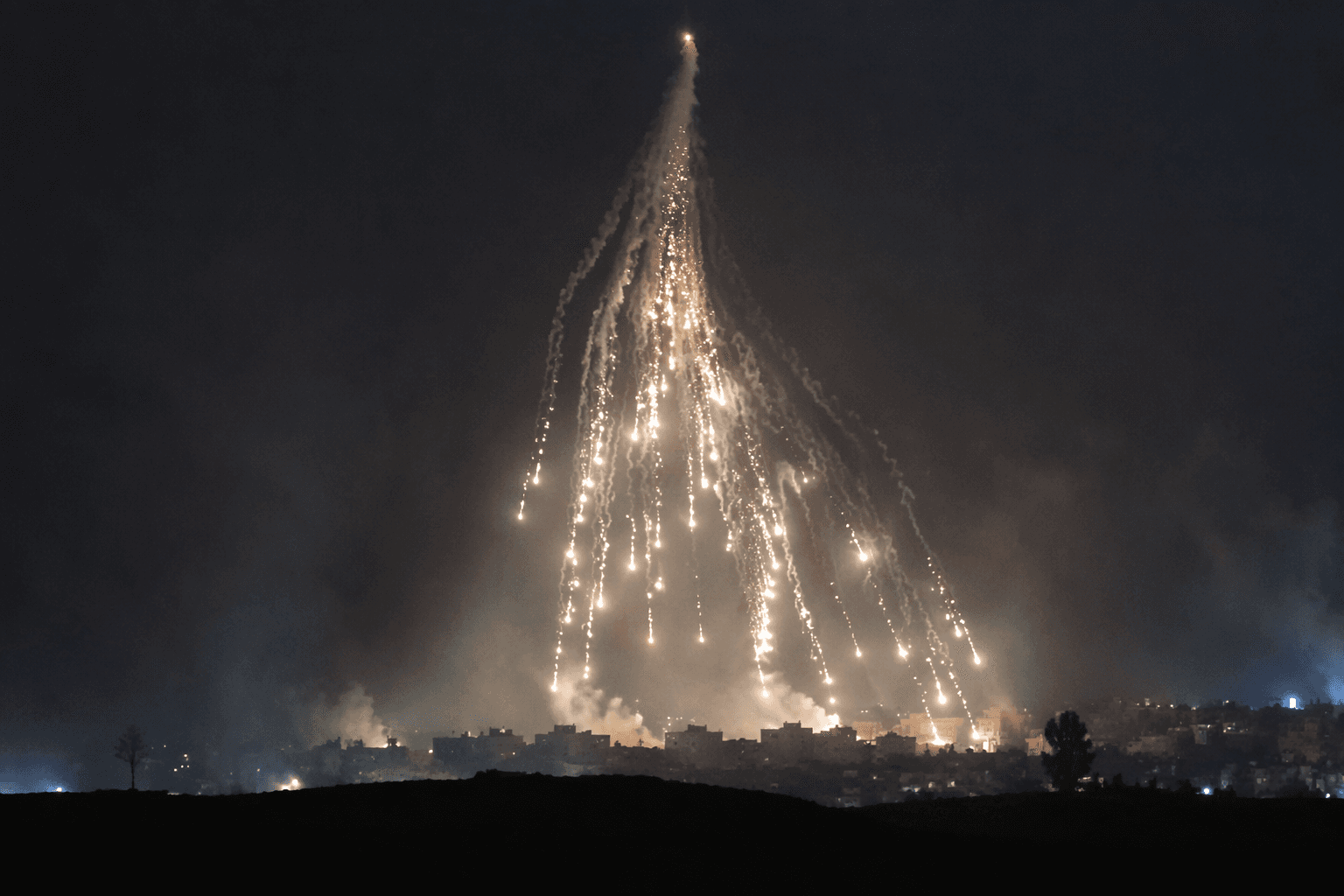
Amnesty said the Israeli army fired artillery shells containing white phosphorus along Lebanon’s southern border between 10 and 16 October 2023. It singled out the 16 October attack on Dhayra, saying it injured at least nine civilians and damaged civilian objects and should be investigated as a war crime because it was indiscriminate. The group also said cross-border hostilities had escalated sharply since 7 October, with Israeli shelling in Lebanon killing at least four civilians and 48 Hezbollah members, while Hezbollah and other armed groups fired rockets at northern Israel, killing six Israeli soldiers and one Israeli civilian.
Human Rights Watch said it verified white phosphorus munitions used by Israeli forces in at least 17 municipalities across south Lebanon since October 2023. It said five municipalities saw airburst munitions unlawfully used over populated residential areas, identifying Kafr Kila, Mays al-Jabal, Boustane, Markaba and Aita al-Chaab. HRW said it geolocated 47 photos and videos and interviewed eight residents in southern Lebanon.
The toll has kept climbing. Lebanon’s Ministry of Public Health said that as of 28 May 2024, exposure to white phosphorus had injured at least 173 people since October. HRW said the mayor of Boustane reported that two civilians were rushed to hospital after inhaling white phosphorus smoke following the 15 October attack. The Israeli military has said it uses white phosphorus as a smokescreen and not to target civilians, but the combination of verified use, civilian exposure and repeated shelling has placed Lebanon’s southern border under intense legal and humanitarian scrutiny.
This article was produced by Prism’s automated news system from verified source data, official records, and press releases, then run through automated quality and moderation checks before publishing. The system is built and supervised by the people who set the standards it runs under. Read our full AI policy.
Know something we missed? Have a correction or additional information?
Submit a Tip