Pope praises Spain's commitment to peace and solidarity
Leo XIV turned his Madrid welcome into a warning against polarization, praising Spain’s peace diplomacy as he opened a weeklong tour that will also reach Barcelona and the Canary Islands.
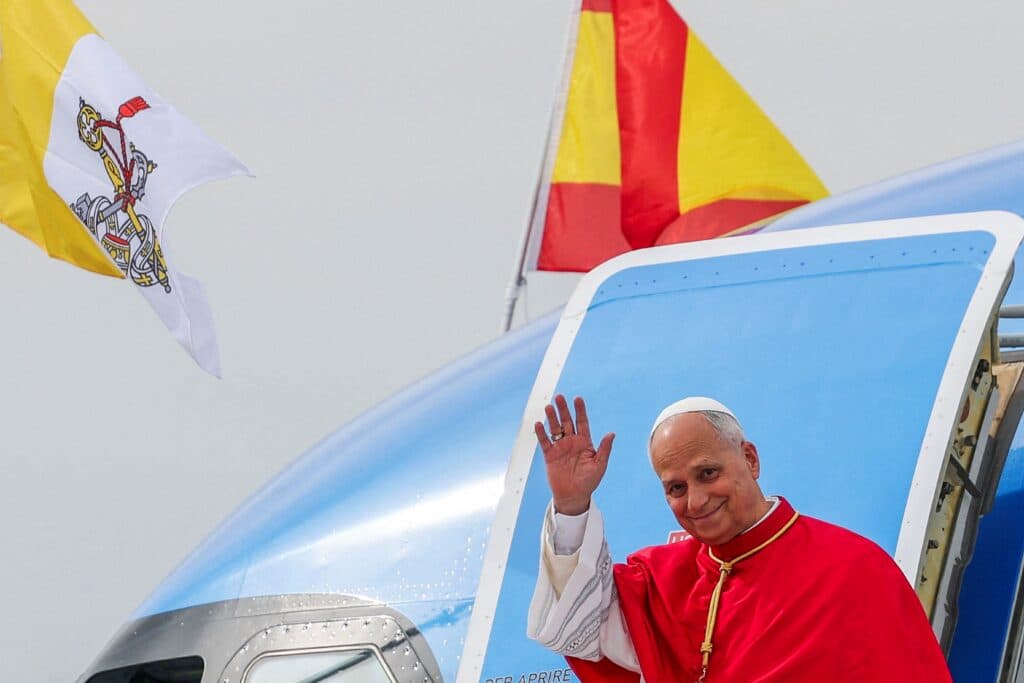
Pope Leo XIV used the Royal Palace in Madrid to turn Spain into a stage for Europe’s most divisive arguments, praising the country’s “faithful adherence to international law and multilateralism” and its “active commitment to peace and solidarity among peoples.” Delivered on the first stop of his seven-day apostolic journey, the remarks cast Spain not just as a host nation but as a moral test case for how democracies answer war, migration and public anger.
The trip, which runs from June 6 to June 12, was Leo’s first papal visit to Spain since 2011. The Vatican said the itinerary includes 12 speeches, four Masses and about 10 meetings with political, ecclesial and civic leaders, with major stops in Madrid, Barcelona and the Canary Islands. In Madrid, King Felipe VI and Queen Letizia welcomed the pope before he met authorities, civil society representatives and diplomats at the palace.
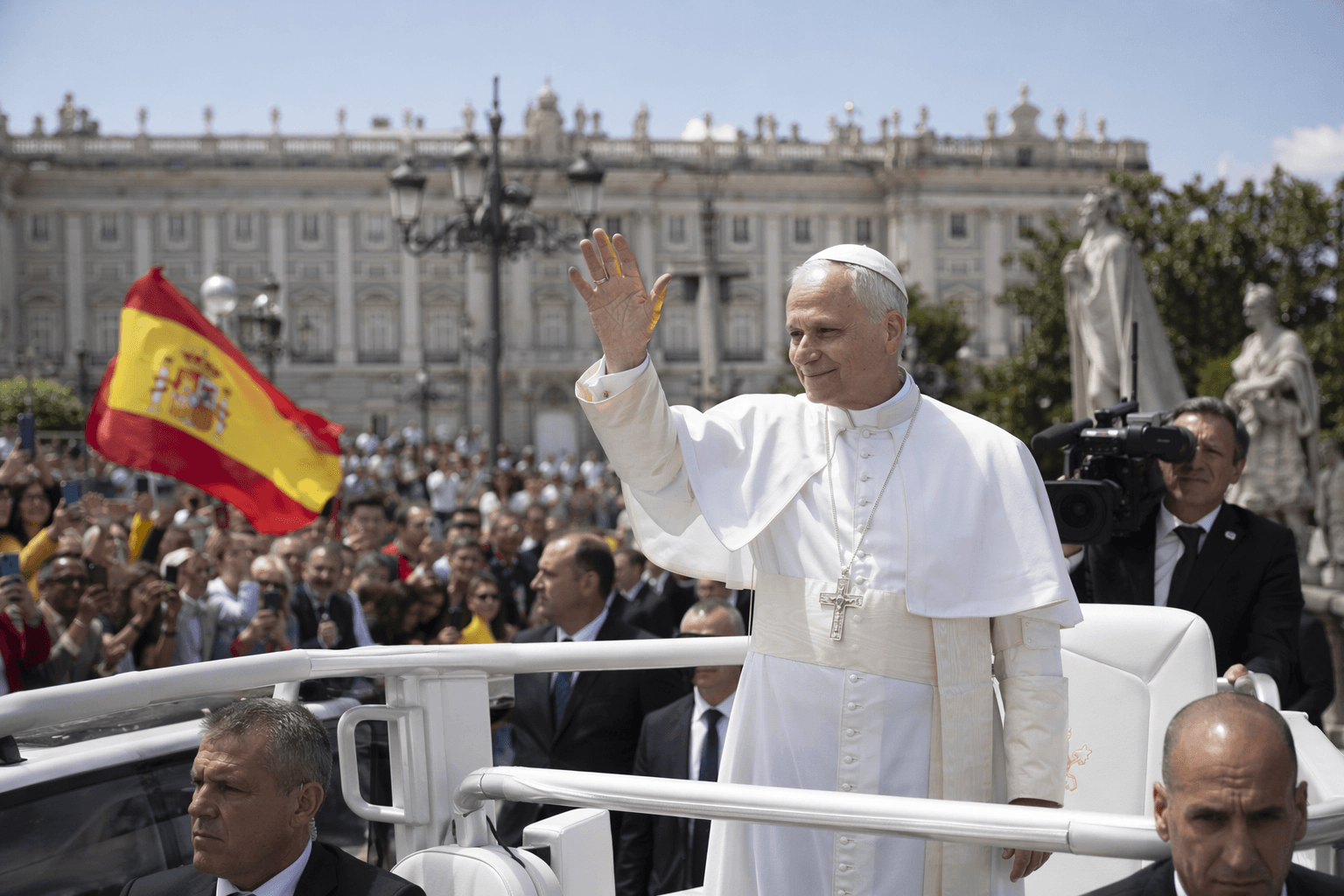
Spain’s political weight made the setting especially pointed. Prime Minister Pedro Sánchez’s government has opposed wars in Gaza, Iran and Ukraine, while at home it has faced pressure from the conservative Popular Party and the far-right Vox on immigration. Leo sharpened that backdrop by urging leaders to resist “fanning the flames of polarization” and warning against “sterile simplifications,” language that landed in a country already split over migration, political corruption and the role of the church in public life.
The pope also linked Spain’s present to its long history, describing it as a place where a “culture of encounter, not confrontation” had helped foster stability and prosperity. His itinerary reinforced that theme: a visit to a homeless shelter in Madrid, a prayer vigil with young people in Plaza de Lima, a meeting with migrants in the Canary Islands and a blessing of the tallest tower of Barcelona’s Sagrada Familia, a landmark that will anchor the final stretch of the visit.
For the Vatican, Spain offered more than ceremony. It became a platform for arguing that Europe’s future will depend not only on borders and coalitions, but on whether leaders can balance sovereignty with solidarity and security with human dignity.
This article was produced by Prism’s automated news system from verified source data, official records, and press releases, then run through automated quality and moderation checks before publishing. The system is built and supervised by the people who set the standards it runs under. Read our full AI policy.
Know something we missed? Have a correction or additional information?
Submit a Tip