Amnesty says RSF committed atrocities during El Fasher siege
Amnesty says RSF atrocities in El Fasher fit crimes against humanity, while the UN, ICC and aid agencies still lack the power to stop abuses in real time.
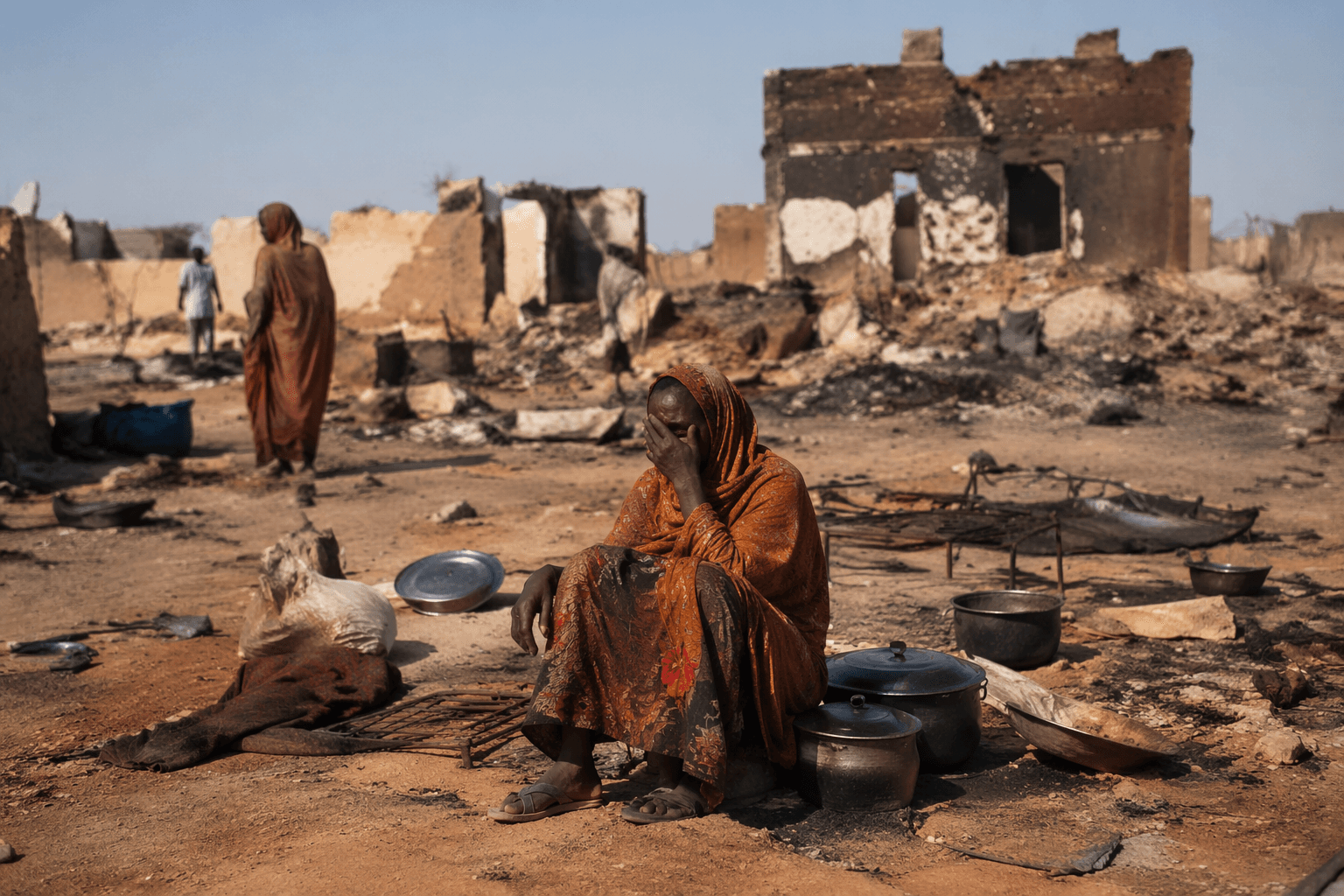
Amnesty International found that the Rapid Support Forces committed crimes against humanity and ethnic cleansing during the siege of El Fasher in North Darfur, a campaign that ended when the city fell on 26 October 2025 after roughly 500 days.
Amnesty based its findings on eight months of investigation and 247 interviews, including 39 children. The organization found RSF fighters carried out killings, beatings, torture, detention, starvation, sexual violence and forced displacement, and that children were deliberately targeted during attacks in and around El Fasher.
The siege began in April 2023 after earlier RSF violence in North Darfur, including the April 2025 assault on Zamzam camp, the largest displacement camp in the state. By the time El Fasher fell, civilians were trapped, fleeing on foot and reporting mass executions, rape and starvation. In February 2026, the UN human rights office found ethnically targeted killings, widespread sexual violence and enforced disappearances during the takeover, saying the conduct showed “hallmarks of genocide” against the Zaghawa and Fur communities.
The UN Office for the Coordination of Humanitarian Affairs put the number of civilians trapped in El Fasher at hundreds of thousands, with escape routes cut off. No aid convoy entered the city for long periods because insecurity, attacks on aid workers and shortages of food, water and medical supplies blocked access. OCHA has pressed for the siege to be lifted and for safe, rapid and unimpeded humanitarian access.
In November 2025, the International Criminal Court’s Office of the Prosecutor was profoundly alarmed by reports from El Fasher, and allegations of mass killings, rapes and other crimes in the city and surrounding areas fall within the Court’s jurisdiction. Darfur was the first situation referred to the court by the UN Security Council and the first ICC investigation concerning genocide allegations.
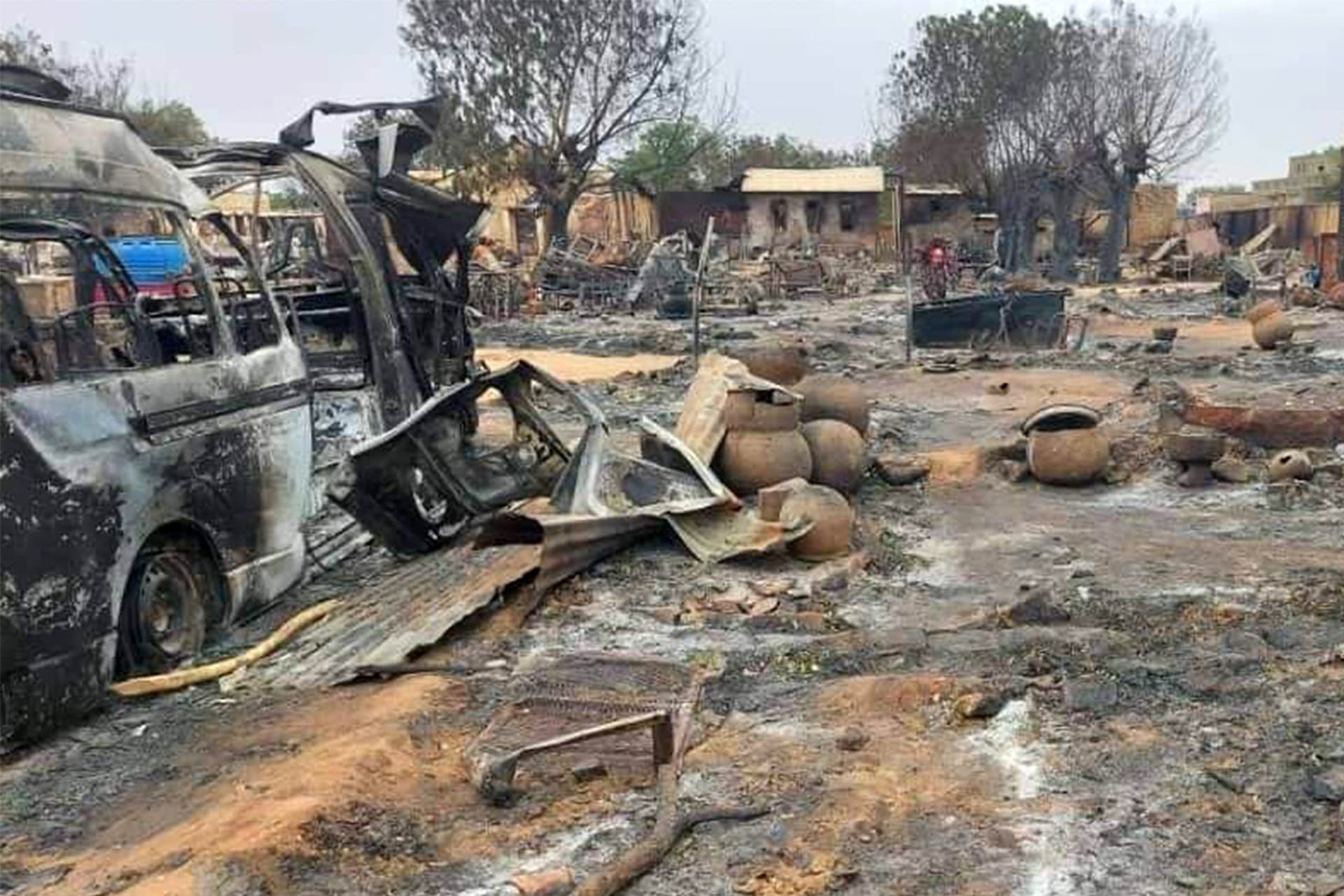
UNICEF puts the figure at 33.7 million people in Sudan, including 17.3 million children, who will need humanitarian assistance in 2026, the highest figure anywhere in the world.
This article was produced by Prism’s automated news system from verified source data, official records, and press releases, then run through automated quality and moderation checks before publishing. The system is built and supervised by the people who set the standards it runs under. Read our full AI policy.
Did this article answer your question?