Poland warns Russia may be preparing sabotage to stir anti-Ukrainian tensions
Warsaw said Russian services may be preparing sabotage to inflame anti-Ukrainian anger as a feud over Zelenskiy’s honor and wartime history deepens.
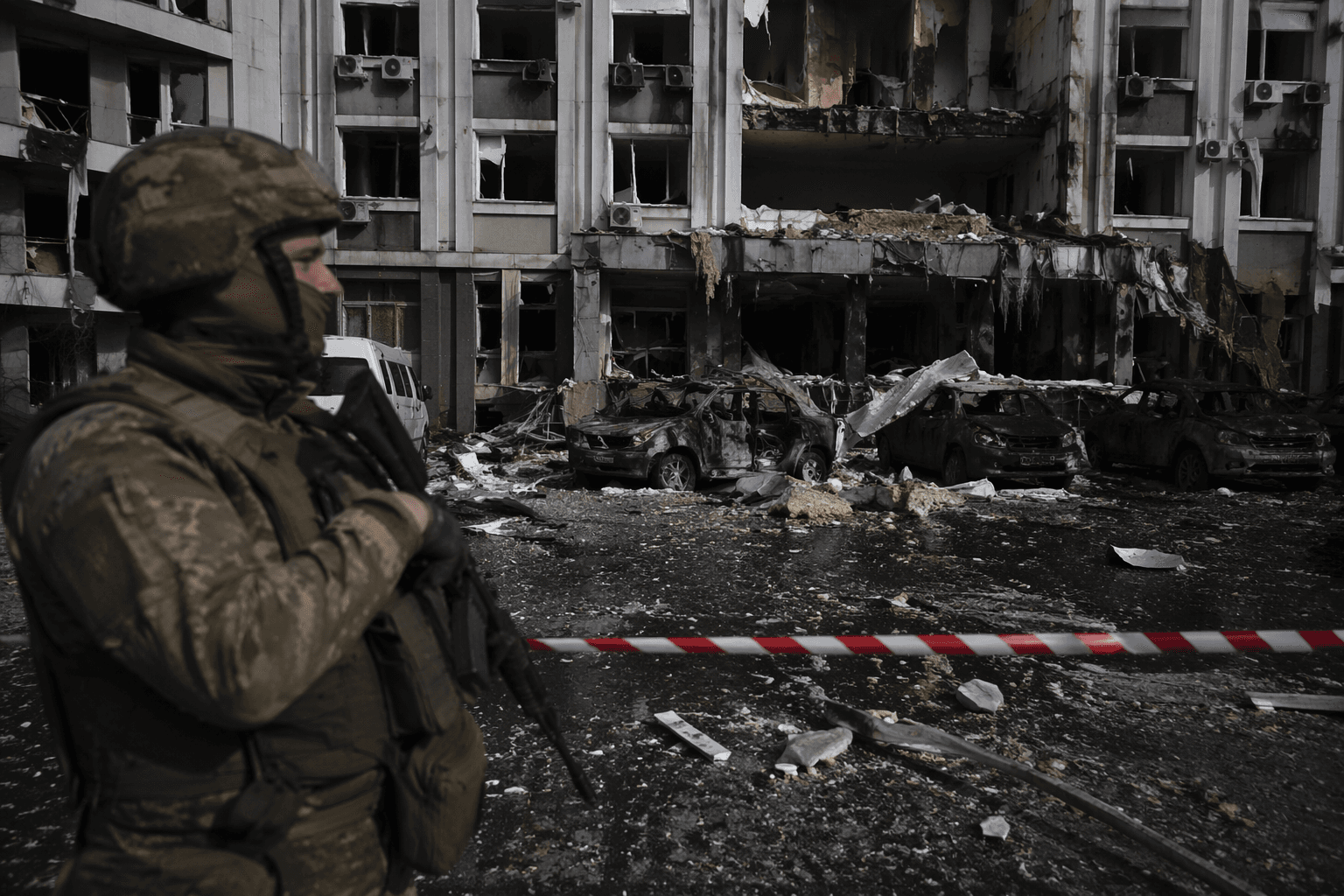
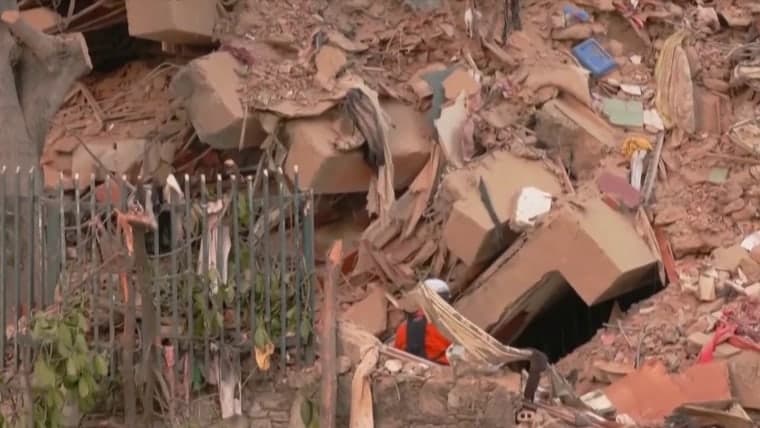
Poland said Russian special services may be preparing sabotage aimed at widening tension between Poles and Ukrainians, a warning that linked physical disruption with a sharper campaign of online manipulation. Tomasz Siemoniak, the minister responsible for special services, said Polish agencies were preparing for possible Russian sabotage activity and that Moscow’s information warfare against Poland had intensified in recent weeks.
Siemoniak said trolls and bots were trying to amplify disputes and shape Poland’s online space, raising fears that the pressure would not stop at cyberspace. The concern in Warsaw is that sabotage would be designed not only to damage infrastructure but to deepen distrust at a moment when the relationship between Poland and Ukraine is already under strain.
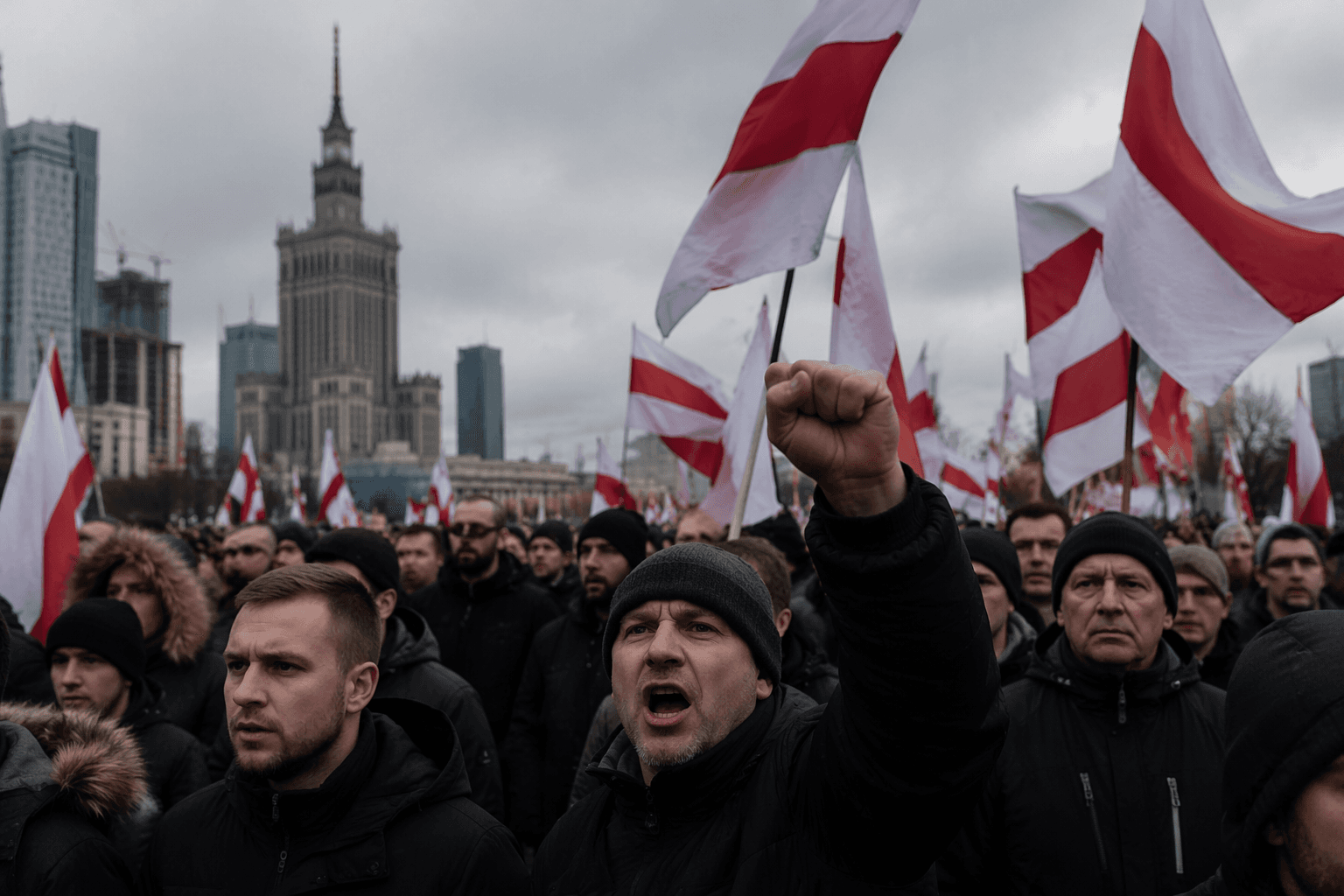
That strain has grown since June 19, when President Karol Nawrocki stripped Volodymyr Zelenskiy of the Order of the White Eagle, Poland’s highest state honor. The dispute escalated after Zelenskiy named a Ukrainian military unit after the Ukrainian Insurgent Army, or UPA, a World War Two-era formation that remains deeply controversial in Poland because of massacres of Poles. Andrii Sybiha, Ukraine’s foreign minister, called Nawrocki’s move a strategic mistake that would benefit only Moscow, while Prime Minister Donald Tusk said the clash pleased Vladimir Putin and helped Russia.
The timing matters for Poland because the country hosts one of Europe’s largest Ukrainian populations. UNHCR said 966,023 refugees from Ukraine had active PESEL UKR registration in Poland as of March 10, 2026, and Eurostat data published this year showed Poland remained among the European Union’s top host countries for Ukrainians under temporary protection. Any effort to exploit resentment around refugees, wartime memory or sovereignty would therefore land in a country where the Ukrainian presence is large, visible and politically sensitive.
Poland has also spent recent years warning that Russian-linked sabotage, arson and espionage have targeted the country’s security services and public debate. That history helps explain why Siemoniak framed the latest threat as something his agencies were actively preparing to confront, not a distant scenario. For Warsaw, the danger is that a well-timed attack or disinformation surge could turn a bilateral dispute into a broader social fracture.
This article was produced by Prism’s automated news system from verified source data, official records, and press releases, then run through automated quality and moderation checks before publishing. The system is built and supervised by the people who set the standards it runs under. Read our full AI policy.
Did this article answer your question?