Analysis finds 200,000 newborns missed vitamin K shot as refusal rises
An EMR study and a preliminary review show growing parental refusal of newborn vitamin K, linked to sharply higher bleeding risk and refusal of other newborn protections.
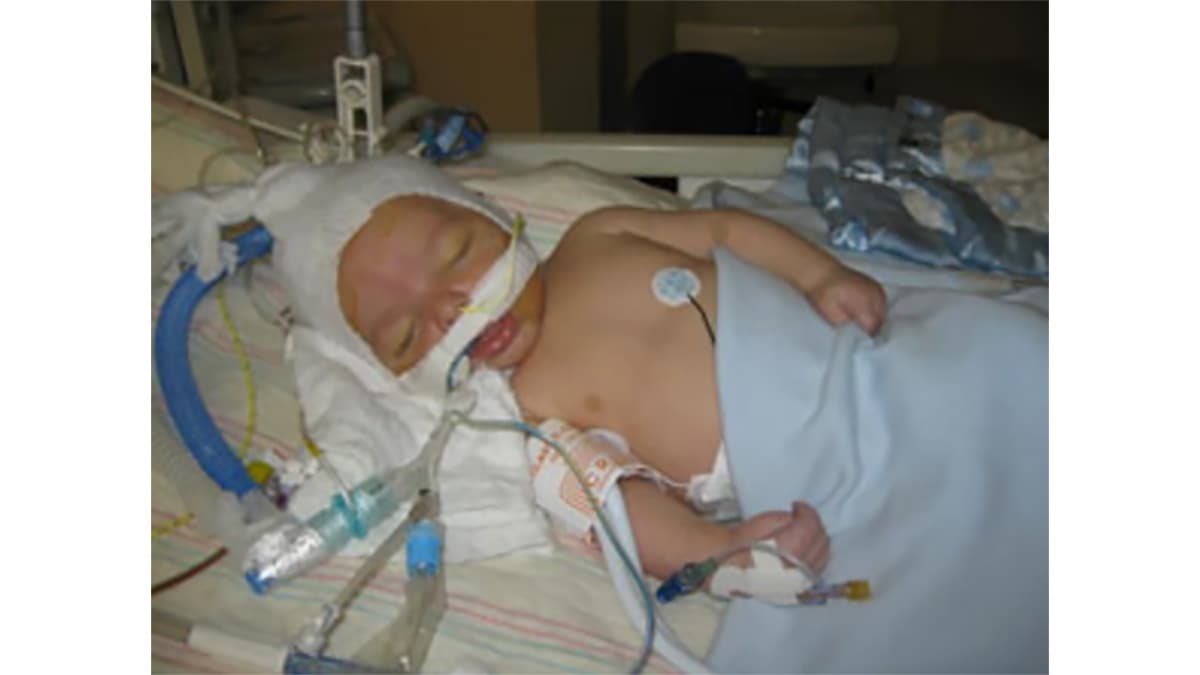
An analysis of electronic medical records covering more than 5 million births found about 4 percent of infants did not receive a routine newborn vitamin K injection, roughly 200,000 babies, and that the share rose from less than 3 percent in 2017 to more than 5 percent in 2024, NBC reported. The study used Epic Systems’ Cosmos database and drew from births in 403 hospitals in all 50 states, and NBC said the analysis was published Monday in the Journal of the American Medical Association.
The trend has drawn fresh concern from clinicians and researchers. A preliminary systematic review released Feb. 26, 2026 and slated for presentation at the American Academy of Neurology’s 78th Annual Meeting concluded that the clinical stakes are high. “Vitamin K at birth is safe and effective, and while refusal is still uncommon with rates in the United States remaining under 1% in most hospitals, our review found in recent years, there have been increases in parents refusing this supplement for their newborns,” said study author Kate Semidey, MD, of Florida International University in Miami. Semidey added, “This trend is concerning because our review also found that babies who do not get the vitamin K injection are 81 times more likely to develop vitamin K deficiency bleeding.”
The review pooled 25 studies spanning two decades of global data and linked vitamin K refusal to wider declines in newborn protections. In the United States, parents who refused vitamin K were 90 times more likely to refuse both the hepatitis B vaccine and the standard eye medicine meant to protect newborns from potentially blinding infections, the press release reported. Similar associations were noted in Canada, where refusal was associated with a 15-fold greater likelihood that a child would not be vaccinated by 15 months, and in New Zealand, where the figure was 14-fold. The review listed common parental concerns as pain, preservatives and belief in inaccurate information.
The two research threads present overlapping but distinct pictures. The Cosmos analysis offers a large, recent snapshot of nonreceipt across U.S. hospitals and documents that the rate “really started increasing from 2019 to 2020, and accelerated during and after the Covid pandemic,” NBC reported. The increase was highest among non-Hispanic white babies, the NBC account said. NBC also quoted an individual identified only as “Scott” saying, “There haven’t been any large policy changes regarding vitamin K shots from hospitals, nor changes in recommendations from medical organizations. That means the rise in babies not getting vitamin K shots is almost certainly due to parental refusal, he said.”
Outside experts pointed to misinformation and rising vaccine skepticism as likely drivers. “Widespread misinformation on social media and rising vaccine skepticism are likely contributing to an uptick in the number of parents refusing vitamin K shots for their newborns,” said Dr. Tiffany McKee‑Garrett, an associate professor of pediatrics at Texas Children’s Hospital in Houston, who was not involved with the new study.
Vitamin K injections have been standard in U.S. hospitals since the early 1960s to prevent vitamin K deficiency bleeding, which can affect the gastrointestinal tract or the brain. The preliminary review and the EMR analysis together raise public health concerns about clusters of refusal, avoidable cases of severe bleeding and spillover effects on infant vaccination. The systematic review is labeled preliminary and will be presented at the AAN meeting in April; the Cosmos analysis is described in NBC’s report as a JAMA publication. Further peer review, full methodological details and hospital-level breakdowns will be needed to guide policy responses and targeted public health outreach.
Know something we missed? Have a correction or additional information?
Submit a Tip