Anbernic teases pocket-friendly RG Rotate handheld with swivel screen, preorder set for May 11
Anbernic’s RG Rotate pairs a 3.5-inch square display with a swivel body and preorders opening May 11, starting at $87.99.
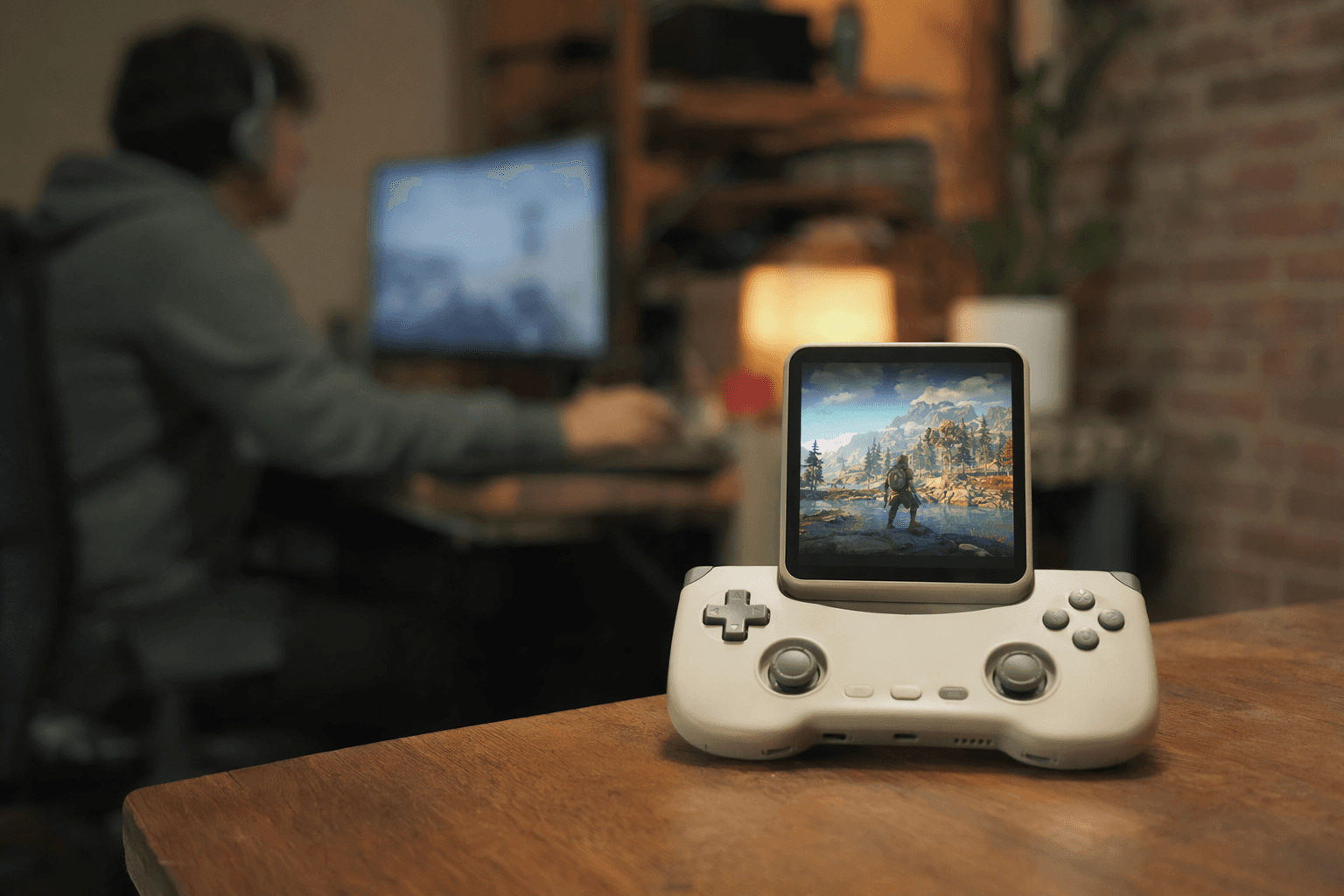
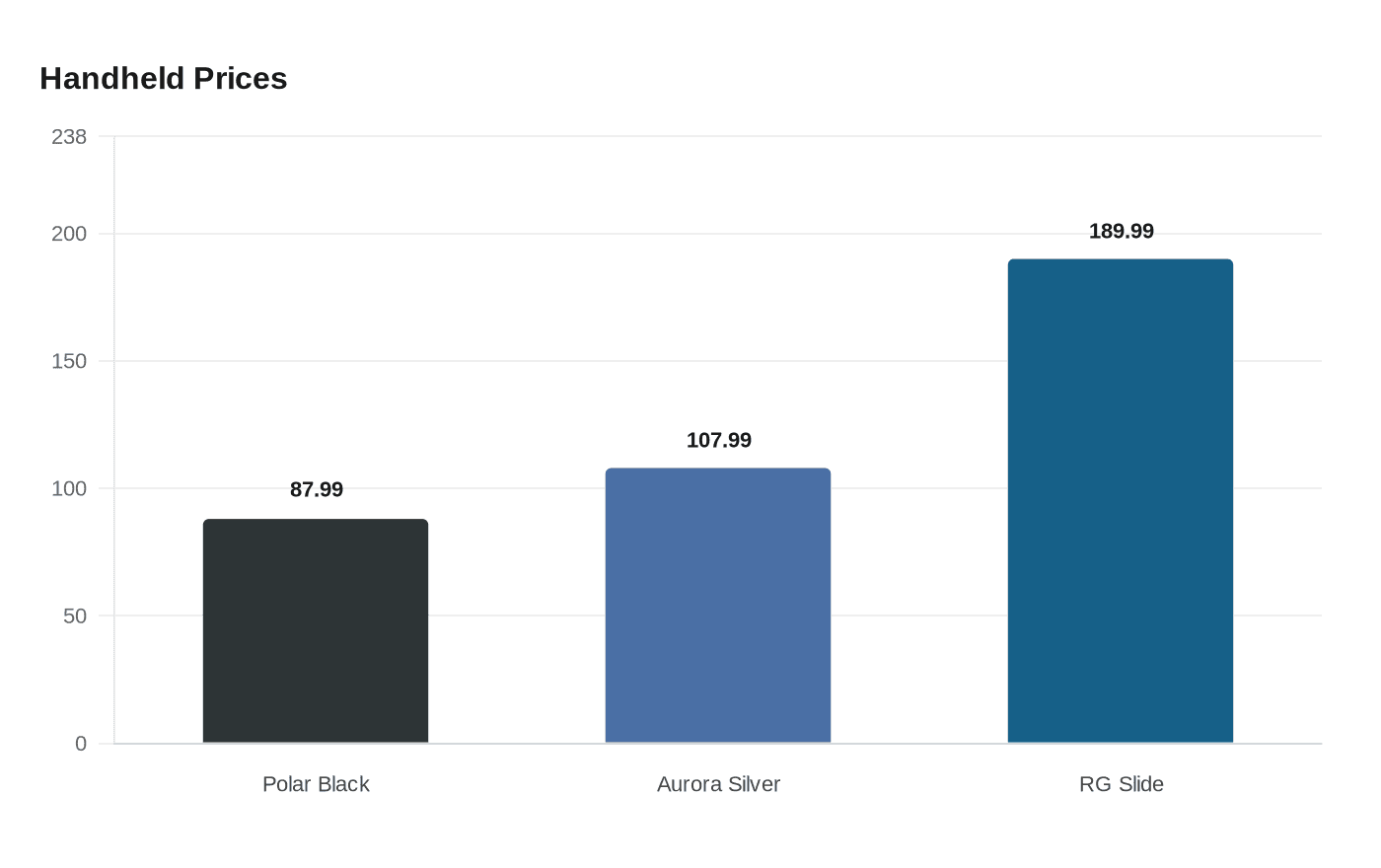
Anbernic is betting that a rotating screen can make a budget handheld feel genuinely pocketable, not merely novel. The RG Rotate is set to open for preorder on May 11 at 6 p.m. Beijing time, with prices starting at $87.99 for the Polar Black model and $107.99 for the Aurora Silver version.
The first 72 hours will bring those prices down to $82.99 and $99.99. Polar Black uses a plastic backshell with a metal front, while Aurora Silver is built with an all-metal body. That pricing puts the RG Rotate far below the company’s earlier sliding-screen experiment, the RG Slide, which launched on June 20, 2025, at $189.99 and drew criticism for being chunky and thick.
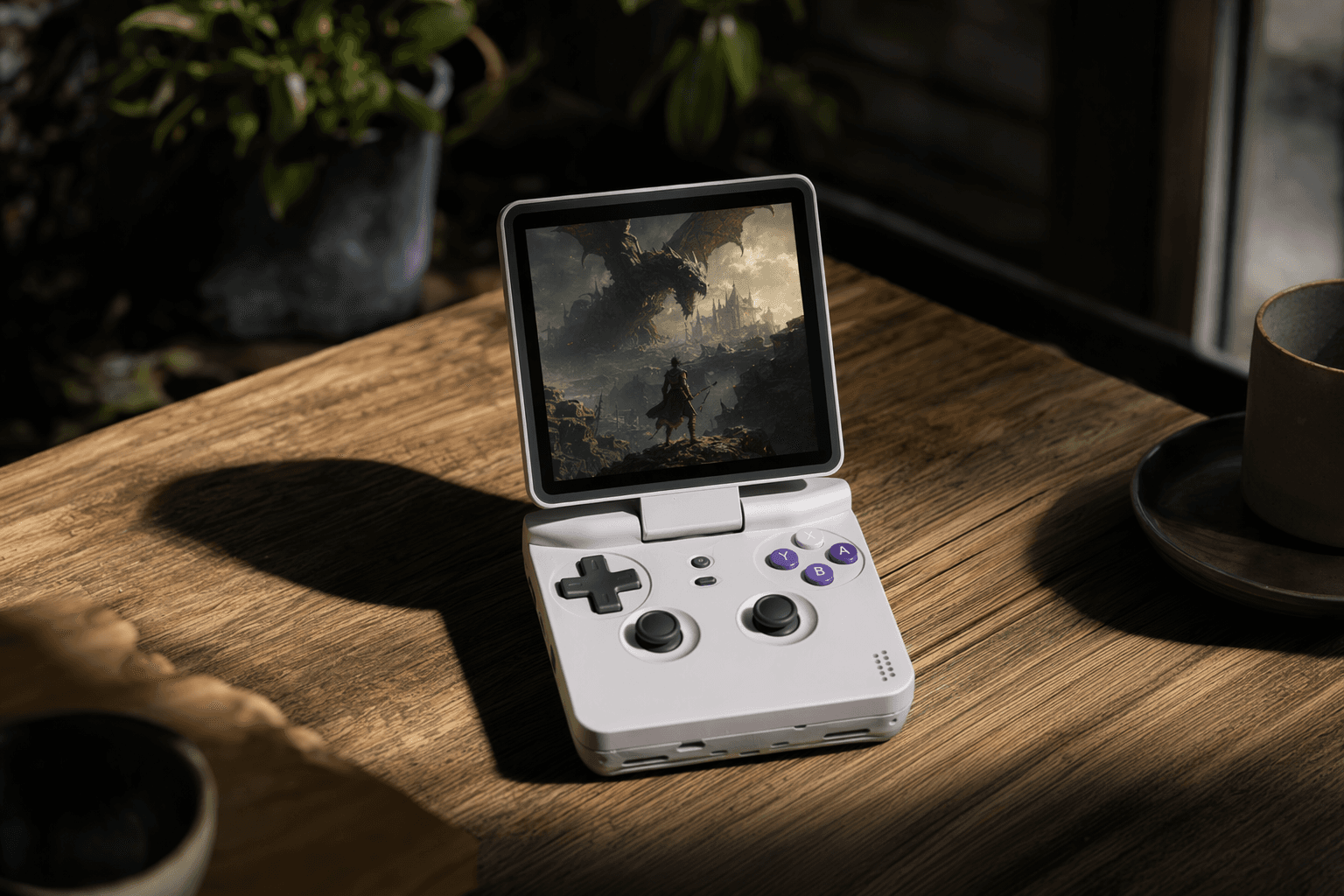
The new model centers on a 3.5-inch 1:1 display with a 720x720 resolution, a format that should suit its swivel design and square footprint. Anbernic says the handheld will run Android 12 and include Wi-Fi 5, Bluetooth 5.0, a USB-C port and interchangeable shoulder buttons. A 2000mAh battery is also part of the package.
The company has said the RG Rotate should emulate up to PlayStation 2 and Nintendo Wii titles, though it has not announced the chipset that will power it. That missing detail leaves the device’s real ceiling unclear, especially at a price point where buyers will be looking for proof that the square screen and hinge are more than a design exercise.
Anbernic has been teasing the device with weekly videos since April 13, building toward a launch that puts a sharper focus on usability than spectacle. The square panel and swivel body are meant to shrink the handheld in the pocket while keeping the controls attached, a practical answer to the bulk that made the RG Slide harder to carry.
The trade-off is easy to see. A 1:1 display may help the device feel compact, but it can also leave black bars or awkward scaling on systems designed for wider screens, including PS2 and Wii software. That tension captures the wider budget handheld market now: smaller makers are iterating quickly, borrowing from old form factors and pushing lower-cost hardware into experiments that mainstream console firms rarely attempt.
This article was produced by Prism’s automated news system from verified source data, official records, and press releases, then run through automated quality and moderation checks before publishing. The system is built and supervised by the people who set the standards it runs under. Read our full AI policy.
Did this article answer your question?