Musk Says He Was a Fool for Funding OpenAI Nonprofit
Musk told a federal court he was “a fool” for funding OpenAI’s nonprofit, recasting the case as a battle over whether its public-interest mission was abandoned.
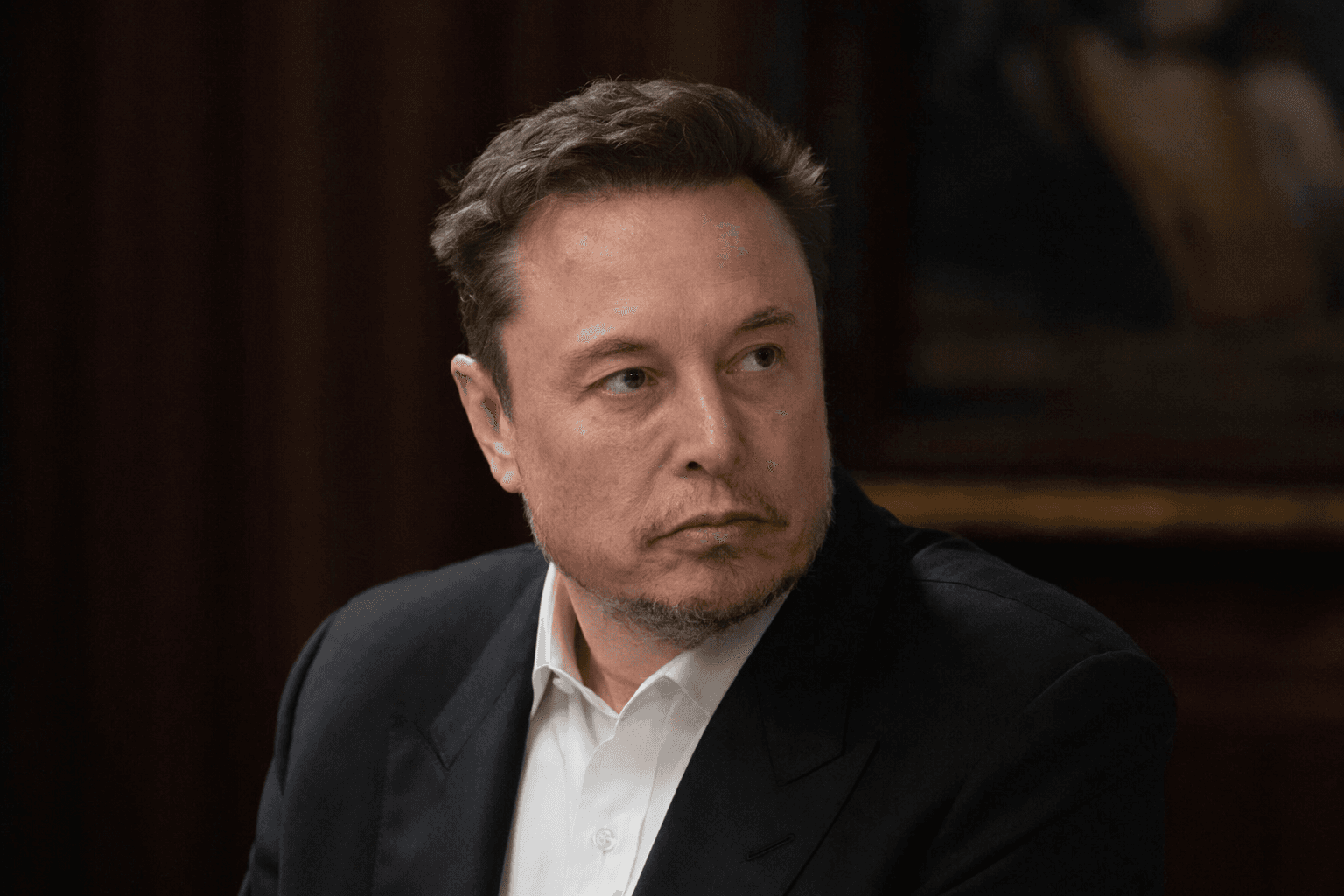
Elon Musk told a federal court in Oakland that he was “a fool” for helping fund OpenAI’s launch, arguing that he had backed the company on the promise that it would stay a nonprofit devoted to the public good. His testimony on the second day of trial turned the case into a broader fight over OpenAI’s founding mission and whether a lab that began as a public-interest project can still claim that mantle after becoming a commercial force in artificial intelligence.
Musk said he kept financing OpenAI after receiving assurances from Sam Altman that the company would remain a nonprofit. He told the court he later felt betrayed and said his concerns deepened as he came to believe the nonprofit mission had been abandoned. OpenAI lawyer William Savitt pressed Musk in cross-examination, and Musk accused Savitt of trying to trick him. Musk also said OpenAI’s nonprofit status created a “halo effect,” helping the company appear to act for the public good even as its structure and business ambitions changed.
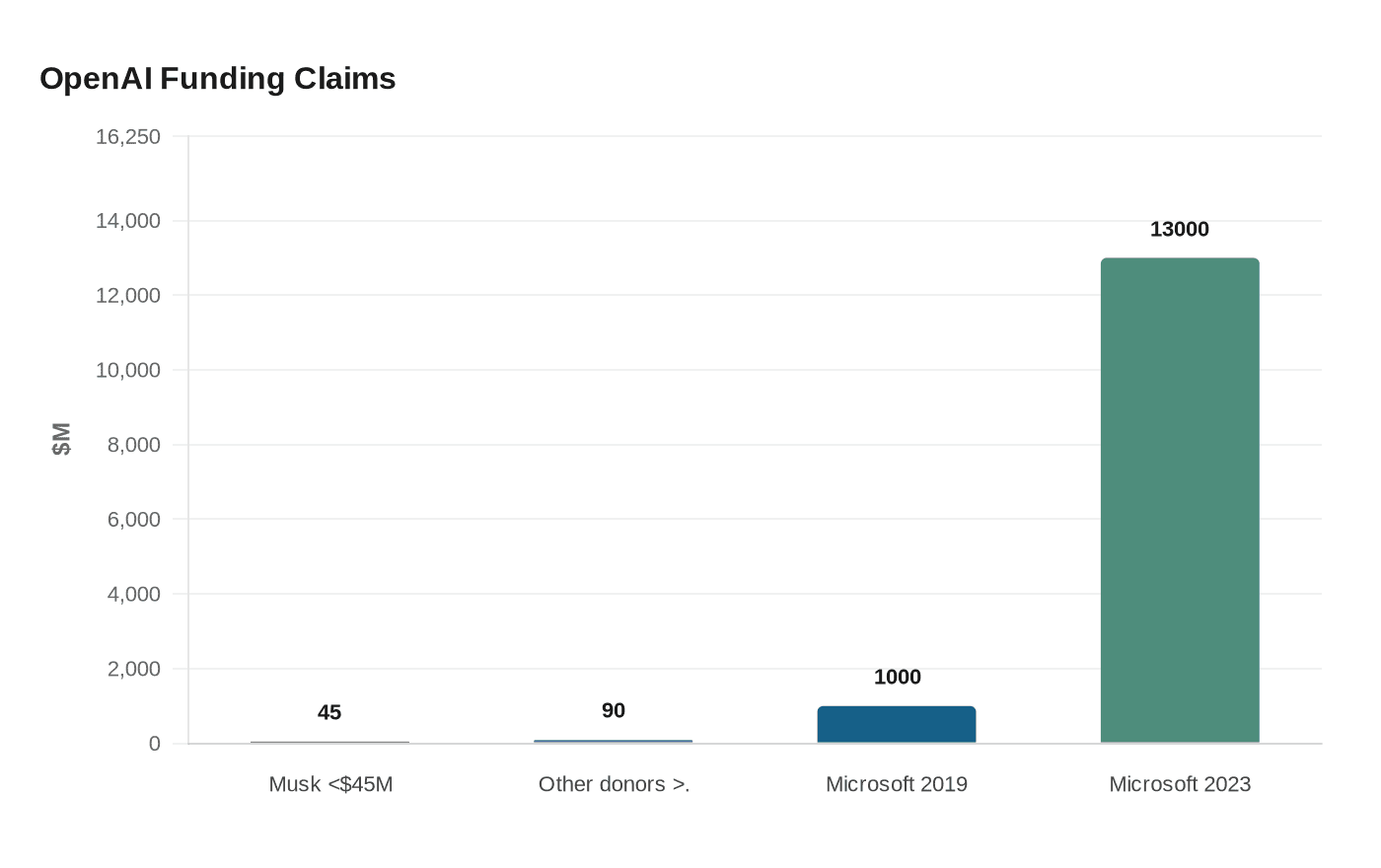
The dispute reaches back to OpenAI’s origin in December 2015, when it was founded as a nonprofit research lab with early support from Musk, Altman, Greg Brockman and other prominent figures in tech. OpenAI has said its nonprofit raised less than $45 million from Musk and more than $90 million from other donors. Reuters has reported that Musk invested about $38 million in the company in its early years. Musk’s 2024 lawsuit against OpenAI, Altman and Brockman claims the company and its leaders broke promises to keep the organization nonprofit and instead pushed it toward commercialization.
That shift is central to the case. OpenAI created a for-profit subsidiary in 2019, and Microsoft invested $1 billion that year before expanding its total investment to about $13 billion in 2023. Musk said 2018 marked a tipping point in his loss of trust in OpenAI’s direction, and he told the court the nonprofit had effectively been “stolen.” OpenAI has maintained that its structure was designed to support its mission of building artificial general intelligence safely and for humanity’s benefit, even as the company grew into one of the most valuable names in AI.
The trial is now testing more than Musk’s grievances. It is forcing a reckoning over how much weight founding promises should carry when a nonprofit lab evolves into a commercial powerhouse with deep ties to Microsoft and a global stake in the future of AI governance.
This article was produced by Prism’s automated news system from verified source data, official records, and press releases, then run through automated quality and moderation checks before publishing. The system is built and supervised by the people who set the standards it runs under. Read our full AI policy.
Did this article answer your question?