Ancient plague cases in Siberia rewrite disease origins, and spread
Ancient DNA from Siberian graves shows plague was killing hunter-gatherers 5,500 years ago, with 18 of 46 bodies testing positive. The find pushes the disease’s deadly history back centuries.
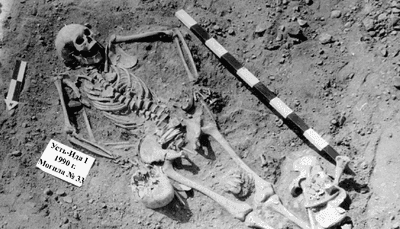
Ancient graves near Lake Baikal have upended one of the oldest assumptions about plague: that its earliest forms were relatively mild. DNA recovered from hunter-gatherer cemeteries in southeast Siberia shows the disease was already lethal about 5,500 years ago, long before the Black Death and earlier than scientists had placed the first known cases.
Researchers analyzed human remains from four cemeteries near the Angara River and found Yersinia pestis in 18 of 46 individuals, or nearly 40 percent. The study, published June 17, 2026 in Nature, says the findings point to two separate outbreaks among prehistoric hunter-gatherers, with the earliest cases dating to roughly 5,500 years ago, about 200 years earlier than previously thought.
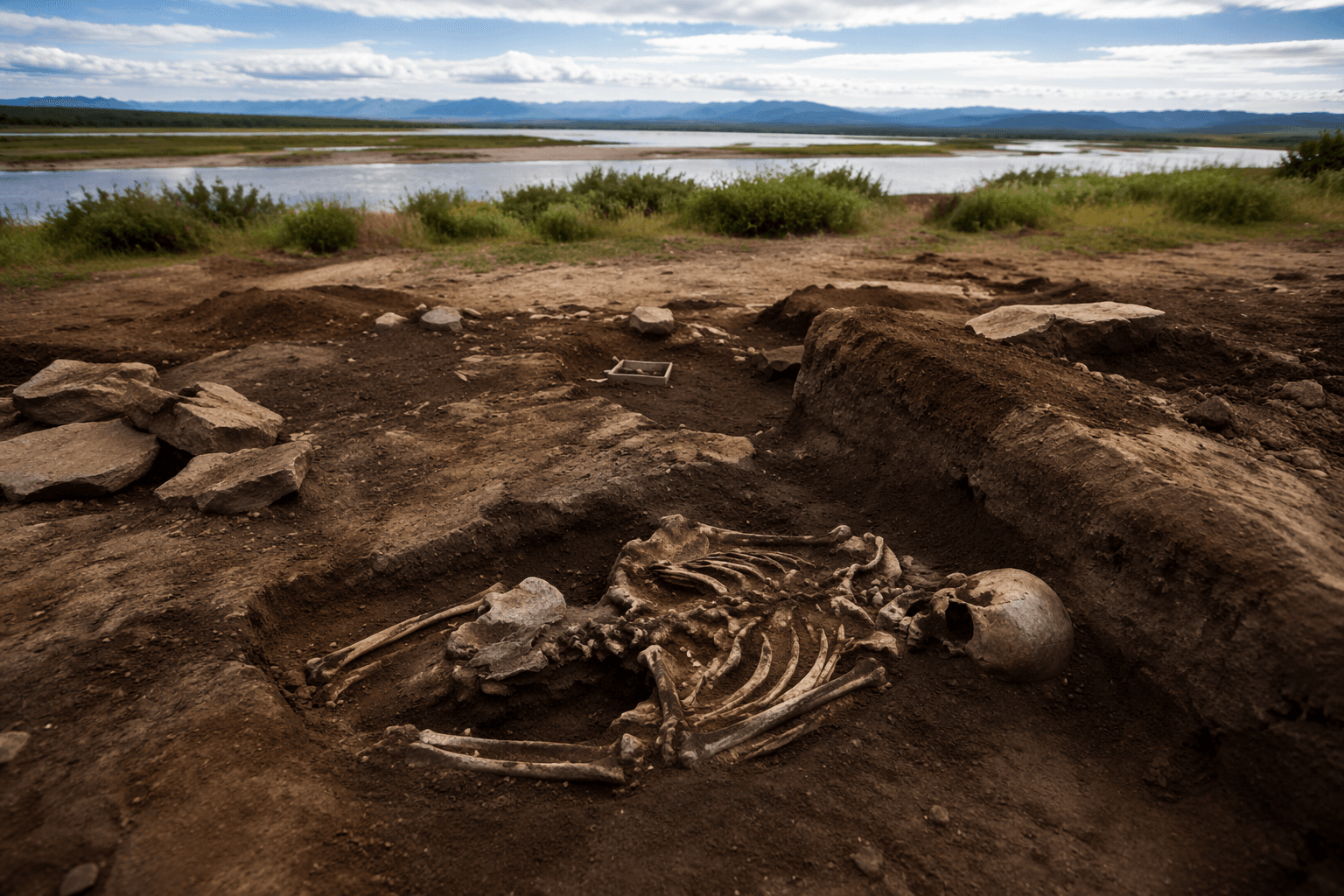
The pattern of deaths had puzzled archaeologists since the 1990s. Many of the buried were children and young teenagers, including a shared grave with three children, two half-sisters and a boy, who were buried at the same time. Another grave held a boy and a girl who were not biologically related, yet both carried plague DNA. That concentration of young victims and the short span of the burials now fits the picture of fast-moving outbreaks rather than isolated infections.
Scientists say the bacterium likely moved from marmots, large native rodents in the region, to humans through handling infected hides or eating raw organs. Once in people, it may have spread through coughing and sneezing, allowing it to move within families and small groups. Ruairidh Macleod said the team built a clear, complete picture of the outbreaks using DNA, archaeology and radiocarbon dating.
The work also challenges a broader theory about disease history. For years, researchers assumed major epidemic disease emerged only after agriculture, dense settlements and cities created the conditions for sustained spread. These Siberian cases suggest plague was already capable of causing deadly outbreaks among mobile hunter-gatherers thousands of years earlier.
Eske Willerslev said understanding the history of plague is important for understanding human history. The new evidence also sharpens what earlier studies could not show. In 2021, scientists reconstructed a 5,000-year-old Yersinia pestis genome from a hunter-gatherer in present-day Latvia, but that case did not show an epidemic or proof of human-to-human transmission. The Siberian graves do, and they push the timeline of a notorious pathogen deeper into the prehistoric world.
This article was produced by Prism’s automated news system from verified source data, official records, and press releases, then run through automated quality and moderation checks before publishing. The system is built and supervised by the people who set the standards it runs under. Read our full AI policy.
Know something we missed? Have a correction or additional information?
Submit a Tip