Baby and mother recover from Ebola in eastern Congo
A 16-month-old boy and his mother left an Ebola treatment center in eastern Congo, a rare recovery that shows care can save lives even as the outbreak worsens.
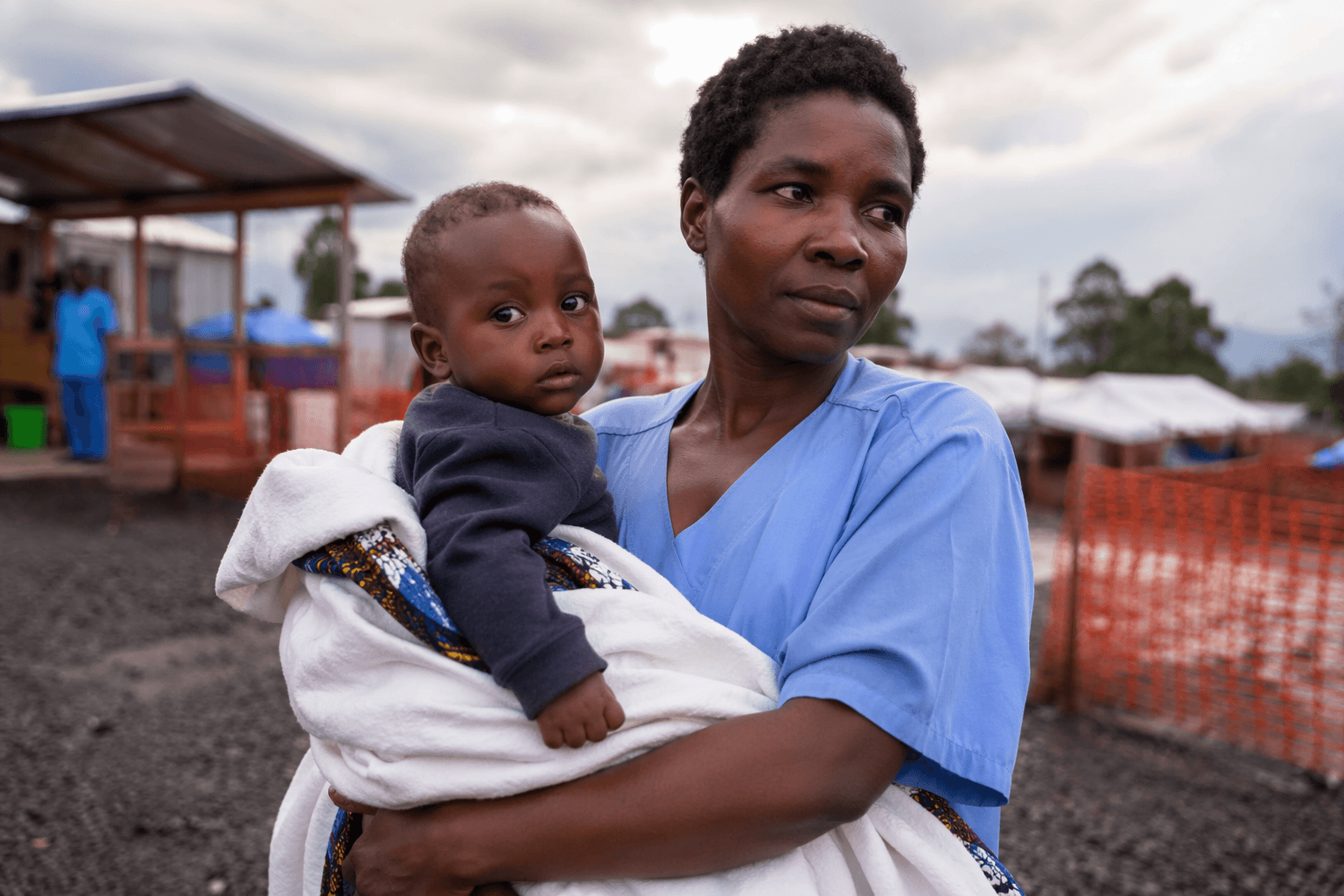
The survival of a 16-month-old boy and his mother offered a rare measure of hope in eastern Congo, where Ebola has kept spreading and health workers are still racing to contain it. Their discharge from the Rwampara Treatment Center near Bunia showed that early treatment can work, but it did not change the larger picture: the outbreak remained serious, dangerous and far from under control.
The mother and son left the treatment center on Tuesday with five other recovered patients. A doctor at the facility said the child tested positive for Ebola by PCR on his second day at the hospital and was treated there before being discharged. The mother described the recovery as a tremendous relief after her son arrived in bad shape, bleeding from the mouth and nose and barely able to move.
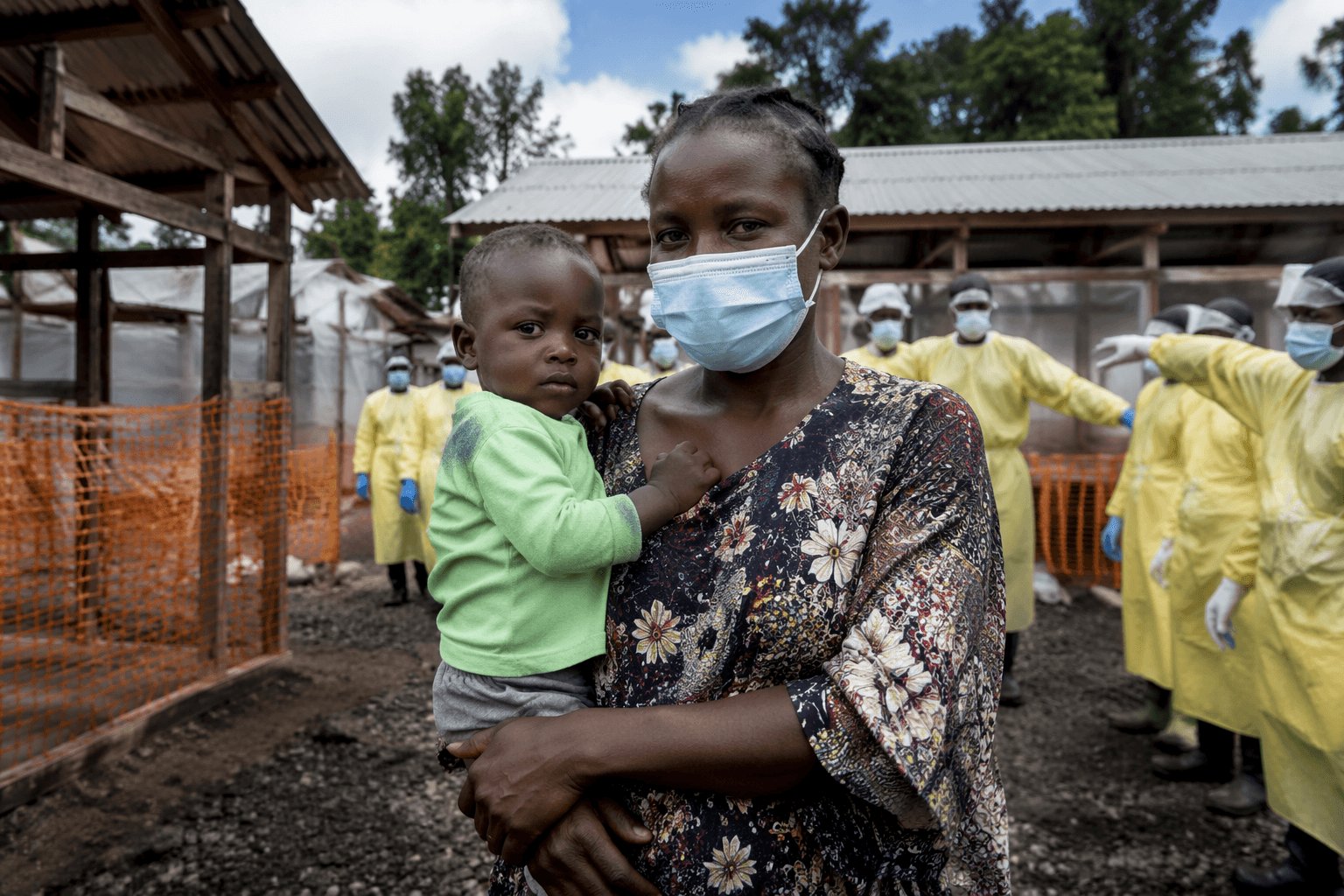
The case stands out because the outbreak has been severe from the start. The World Health Organization said it was alerted on May 5 to a high-mortality illness in Mongbwalu Health Zone in Ituri province. Laboratory analysis later confirmed Bundibugyo virus disease, a species of Ebola, in blood samples from Rwampara on May 15. As of May 16, the province had recorded eight laboratory-confirmed cases, 246 suspected cases and 80 suspected deaths across Bunia, Rwampara and Mongbwalu health zones.
Bundibugyo outbreaks have historically carried case fatality rates of 30% to 50%, and there is no licensed vaccine or specific therapeutic for the virus. That makes supportive care and quick isolation especially important, particularly in a region where patients often arrive late and where health services are difficult to reach.
The recovery came as the wider outbreak worsened sharply. Confirmed cases in eastern Congo had climbed to 782 with 181 deaths by June 15, and a separate count released Tuesday put the total at 837 confirmed cases and 196 deaths. Health officials have said the official figures likely understate the true spread because of testing delays and deaths in villages and suburbs that go unrecorded.
Fear and insecurity have also complicated the response. A treatment center in Rwampara was torched in late May amid burial disputes, a sign of the mistrust facing health workers on the ground. NPR reported from Bunia that fear has spread faster than information, leaving treatment centers to function partly as isolation sites while teams struggle with community resistance.
The U.S. Department of State said on June 12 that it was continuing a rapid response with the U.S. Centers for Disease Control and Prevention and regional governments. CDC officials have said the outbreak became the largest Bundibugyo outbreak on record. The mother and child’s recovery showed that Ebola is not an automatic death sentence, but it also underscored how much work remains to track cases, isolate patients and stop the virus from moving deeper into eastern Congo.
This article was produced by Prism’s automated news system from verified source data, official records, and press releases, then run through automated quality and moderation checks before publishing. The system is built and supervised by the people who set the standards it runs under. Read our full AI policy.
Know something we missed? Have a correction or additional information?
Submit a Tip