Andrew Left Faces Criminal Trial in Landmark Short-Selling Case
Andrew Left went on trial over claims he used Citron Research to move stocks and pocket at least $16 million, a case that could redefine short-selling risk.
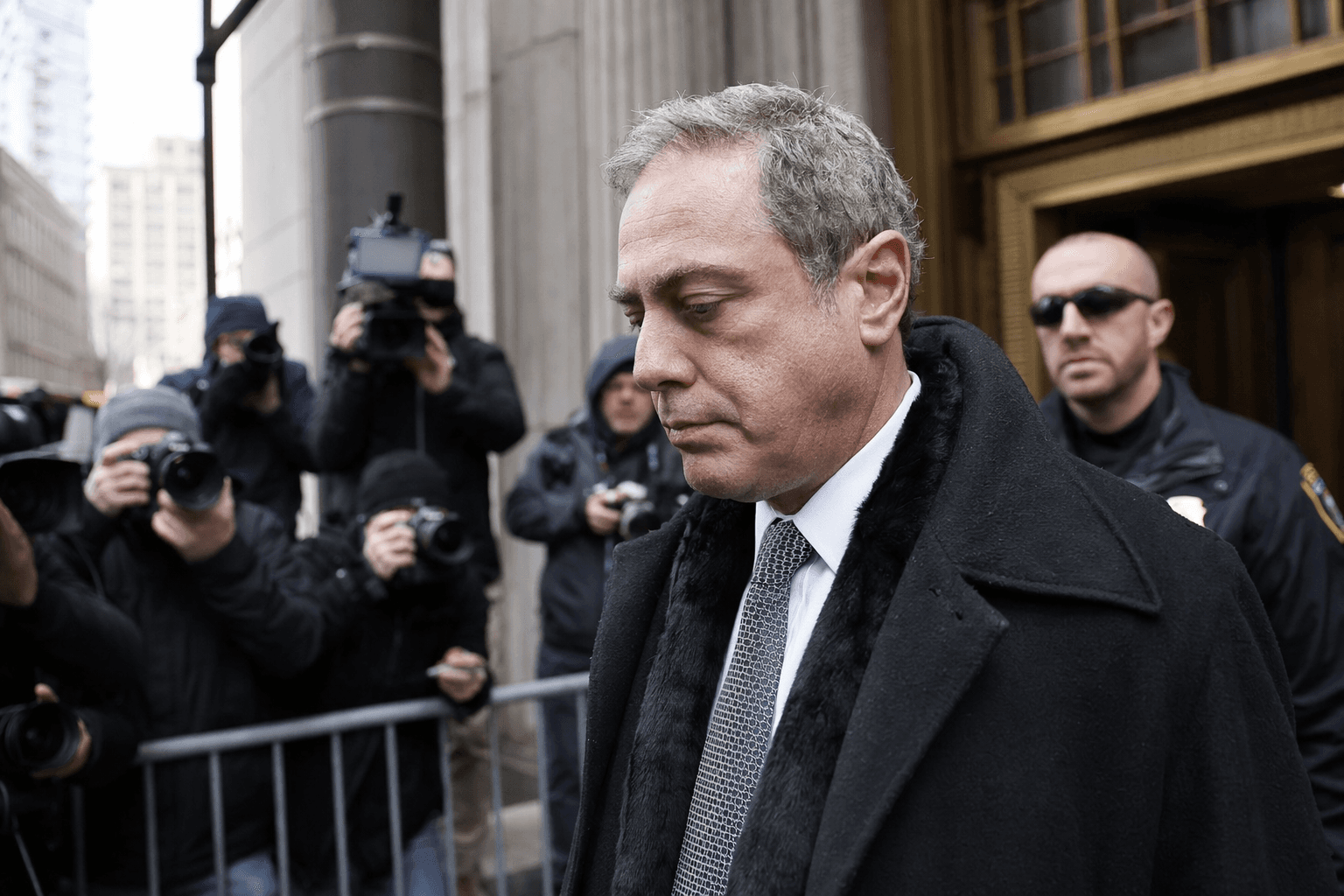
Andrew Left, one of the most visible voices in American short selling, faced a criminal trial in Los Angeles over allegations that he crossed the line from market commentary into manipulation. Federal prosecutors said Left ran a long-running scheme that used public stock recommendations and social media to move prices, then profit from the swings, making his case a test of how far aggressive research can go before it becomes fraud.
The Justice Department charged Left on July 25, 2024 in United States v. Left, No. 2:24-cr-00456, with one count of engaging in a securities fraud scheme, 16 counts of securities fraud and one count of making false statements to federal investigators. Prosecutors said the alleged scheme generated at least $16 million in profits. The criminal case was assigned to U.S. District Judge Virginia A. Phillips in the Central District of California, and court records showed a final pretrial conference on May 7, 2026 before the trial was set for May 11, 2026.
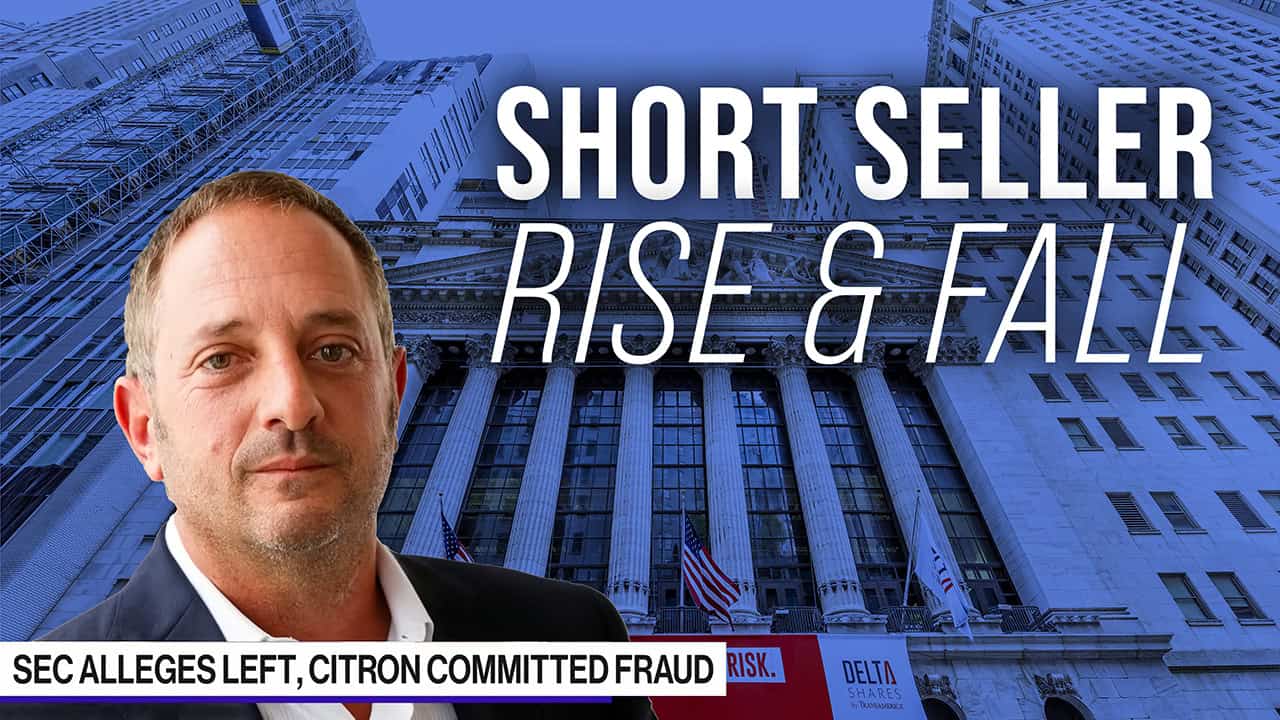
The Securities and Exchange Commission followed with parallel civil charges on July 26, 2024 against Left and Citron Capital LLC. The agency alleged a $20 million multi-year fraud scheme built on false and misleading stock recommendations. In its complaint, the SEC said Left used Citron Research and related social media platforms at least 26 times to recommend long or short positions in 23 companies, while presenting those positions as aligned with his own trading. The agency said the targeted stocks moved more than 12 percent on average after his recommendations.
That factual record gives the case a reach that extends well beyond one trader. Left founded Citron Research in 2001, and for years he was a defining figure in activist short selling, publicly attacking companies he believed were overvalued or fraudulent. That approach won him attention, followers and enemies in equal measure. Now prosecutors are asking a jury to decide where hard-edged market skepticism ends and criminal intent begins, a distinction that matters to hedge funds, research firms, compliance teams and the regulators trying to police modern trading chatter.
The case also lands at a moment when market-moving commentary can spread instantly through social platforms, message boards and trading communities. Court filings indicate the Justice Department expected to call multiple witnesses, including retail investors, underscoring how central audience reaction may be to the trial. A federal judge rejected Left’s bid to dismiss the criminal case in December 2025, clearing the way for a proceeding that could shape the legal exposure of activist short sellers and how the SEC and Justice Department interpret intent when public statements move markets.
This article was produced by Prism’s automated news system from verified source data, official records, and press releases, then run through automated quality and moderation checks before publishing. The system is built and supervised by the people who set the standards it runs under. Read our full AI policy.
Did this article answer your question?

