Andrew Ross Sorkin warns Wall Street rally could end in crash
Andrew Ross Sorkin said he is “anxious” as Wall Street keeps hitting records, warning that today’s mix of debt and speculation looks uncomfortably like 1929.
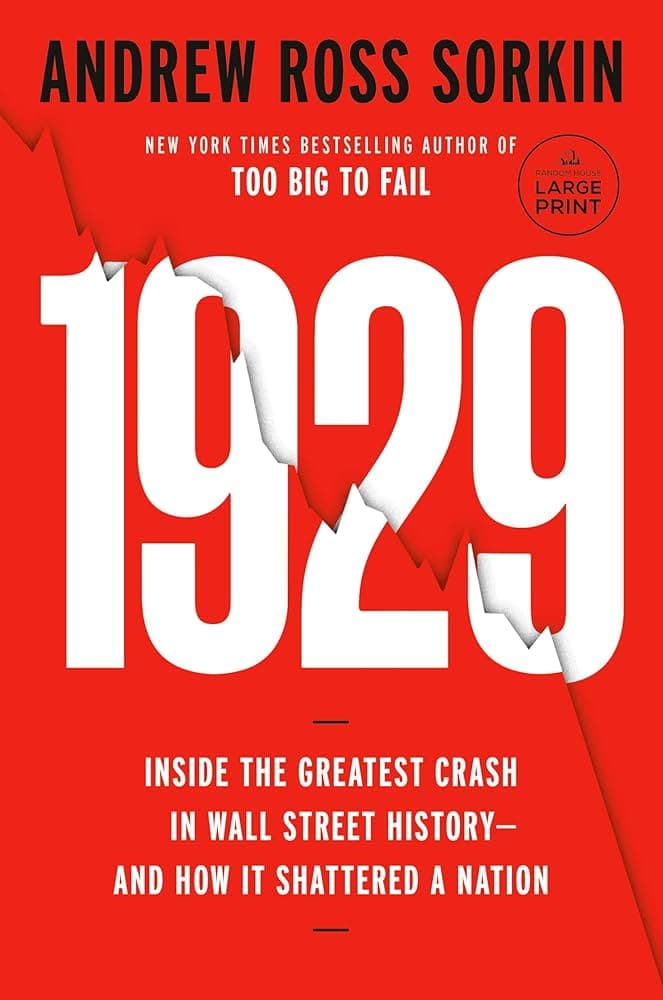
Wall Street’s rally kept rolling, but Andrew Ross Sorkin warned that the market’s most dangerous phase may come after the celebration ends. In a 60 Minutes interview with Lesley Stahl tied to his book 1929: Inside the Greatest Crash in Wall Street History - And How It Shattered a Nation, Sorkin said he was “anxious” about prices he thinks may not be sustainable and argued that today’s market is echoing the late-1920s boom.
His comparison was not casual. Sorkin pointed to the stretch from 1928 to September 1929, when the stock market rose about 90% before the crash that followed. He said the same ingredients are visible now: speculation, rising debt and weaker guardrails. The book, published on October 14, 2025 by Penguin Random House, draws on historical records and newly uncovered documents to revisit the crash that reshaped American finance and politics.
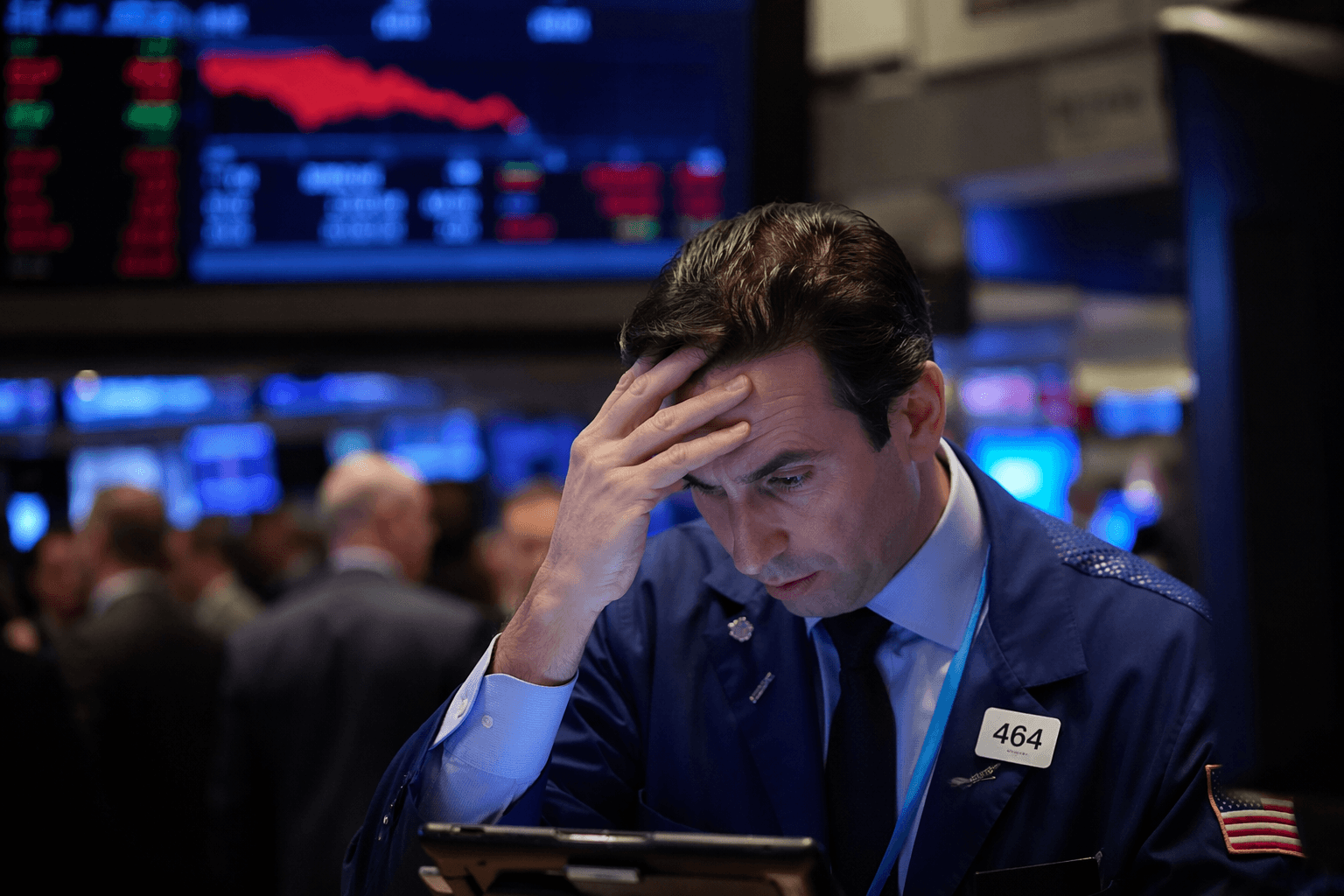
The warning lands in a market that has rewarded risk. U.S. stocks have recently kept setting records, with the S&P 500 closing above 7,500 in May 2026 and the Nasdaq also reaching new highs as investors piled into artificial intelligence and stronger chip earnings. That enthusiasm has helped push valuations higher, but it has also made the market more dependent on a narrow set of high-flying winners.
Borrowing is adding another layer of strain. FINRA reported customer securities margin debt of about $1.304 trillion in April 2026, a sign that investors have been using more leverage to chase gains. In past cycles, rising margin debt has often amplified declines once prices turn, because forced selling can accelerate the slide.
The Federal Reserve is part of the backdrop as well. The fed funds upper limit remained in a restrictive range in May 2026, while officials, including Jerome H. Powell and Susan Collins, continued to stress inflation risks and the possibility of tighter policy if price pressures persisted. Kevin Warsh has also weighed in on the debate over policy and market fragility. Taken together, the setup is not proof of an imminent break. But Sorkin’s warning is that when high valuations, speculative behavior, AI optimism and heavy borrowing collide with a restrictive Fed, the next downturn can arrive faster and hit harder than investors expect.
This article was produced by Prism’s automated news system from verified source data, official records, and press releases, then run through automated quality and moderation checks before publishing. The system is built and supervised by the people who set the standards it runs under. Read our full AI policy.
Did this article answer your question?