Ryanair profit falls a third as lower fares, fuel costs bite
Ryanair’s April-June profit fell 34% to €538 million as weaker fares and higher fuel costs outweighed an 8% rise in passengers to 30.4 million.
Ryanair’s profit after tax fell 34% to €538 million in the April-June quarter, down from €820 million a year earlier, as lower fares and higher fuel costs squeezed the Dublin-based carrier even though traffic kept rising. Passenger numbers climbed 8% to 30.4 million and revenue increased 9% to €1.53 billion, but the extra volume was not enough to offset the pressure on pricing.
The result matters because Ryanair has long been a bellwether for Europe’s low-cost airline market. Its model depends on filling aircraft at tight margins, so even modest fare weakness can cut deeply into earnings. The latest quarter suggests that consumers are still chasing cheaper tickets, but are also becoming more selective, leaving airlines with less room to protect margins as fuel stays elevated.
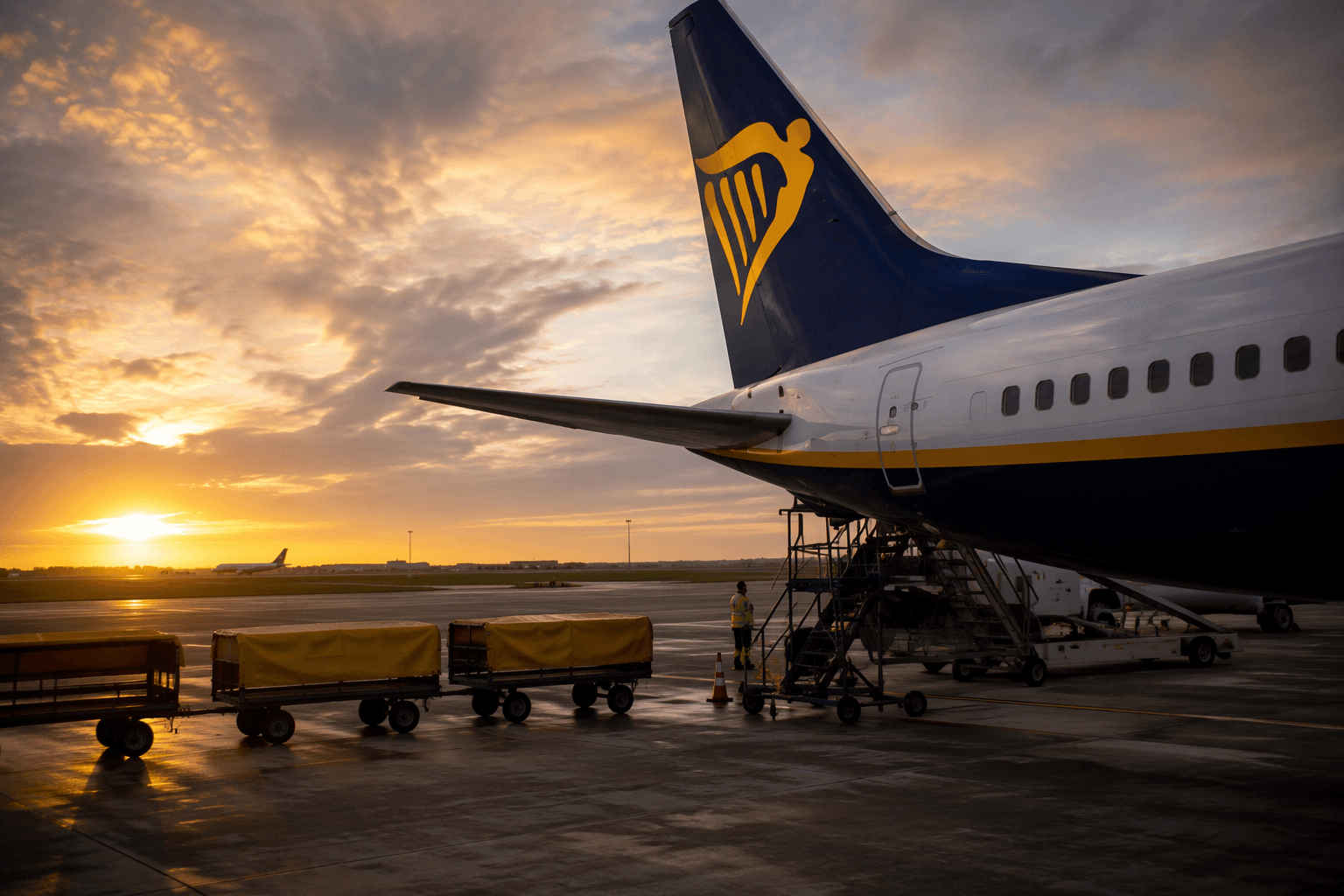
Ryanair has already warned that summer fares could weaken further as consumer nervousness around the Iran war ripples through booking patterns. That would be a problem not just for Ryanair but for rivals across the European summer travel market, where aggressive discounting can quickly erode profits if demand softens or capacity rises too fast.
The latest downturn also comes after a strong year for the airline. In January, Ryanair reported third-quarter profit after tax of €115 million and traffic of 47.5 million. In May, it posted record full-year profit after tax of €2.26 billion, up 40% year on year, while traffic rose 4% to 208.4 million and revenue per passenger increased 7%. That mix shows how quickly fortunes can swing when fare trends turn against a low-cost carrier.
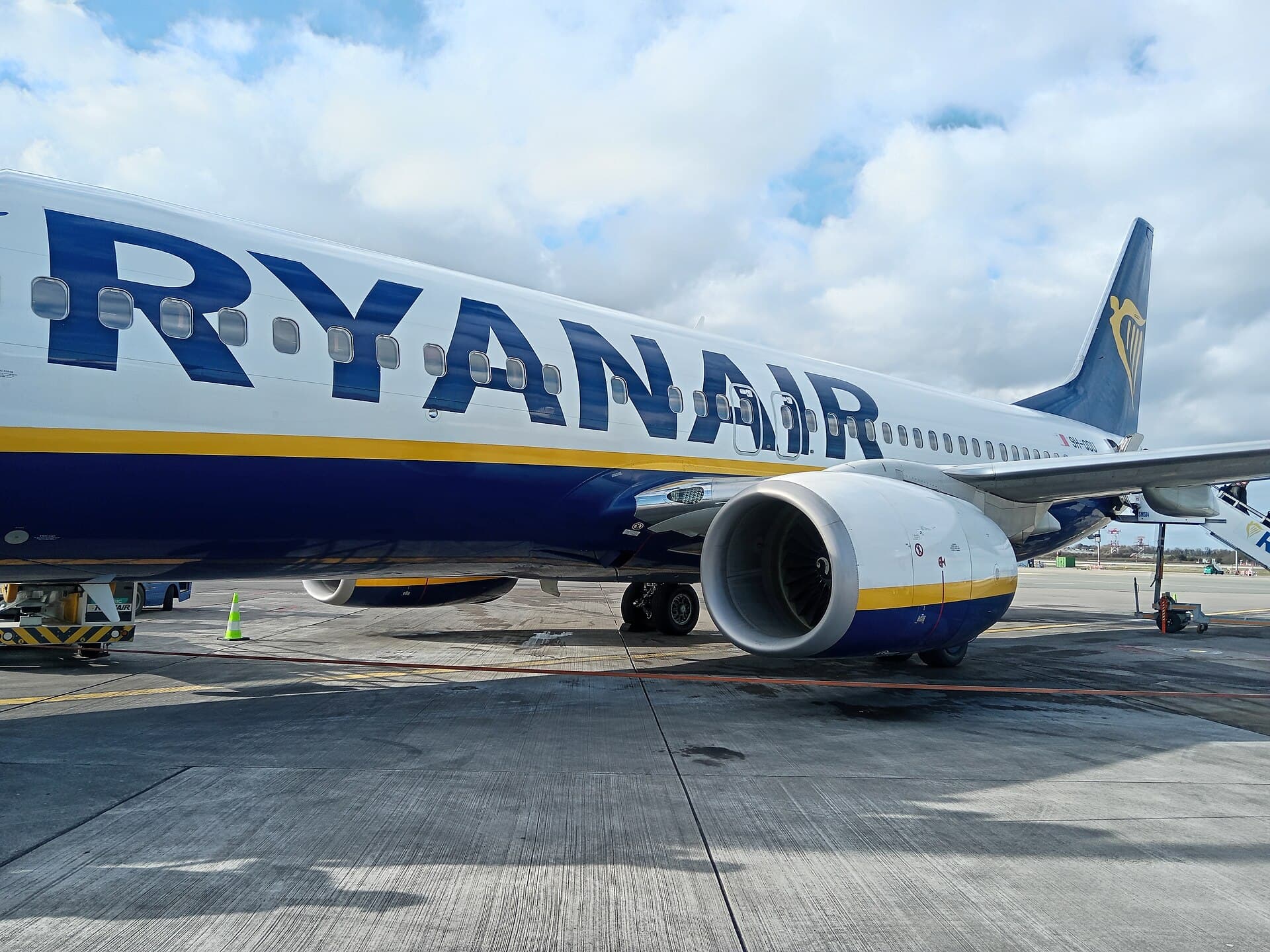
Fuel remains a central variable. Ryanair said in its May results that fiscal 2027 jet fuel was 80% hedged at $668 per metric tonne, which reduces some of the near-term shock from energy swings but does not eliminate the impact of higher costs on airline earnings. The pattern is familiar: a strong demand backdrop can support a budget airline for a time, but weak fares and volatile fuel can still overwhelm the volume gains that low-cost carriers rely on most.
This article was produced by Prism’s automated news system from verified source data, official records, and press releases, then run through automated quality and moderation checks before publishing. The system is built and supervised by the people who set the standards it runs under. Read our full AI policy.
Did this article answer your question?