András Schiff to return to Budapest after Orbán election defeat
András Schiff will play Budapest again after Viktor Orbán’s defeat, ending a 2011 boycott that also extended to the United States and Russia.
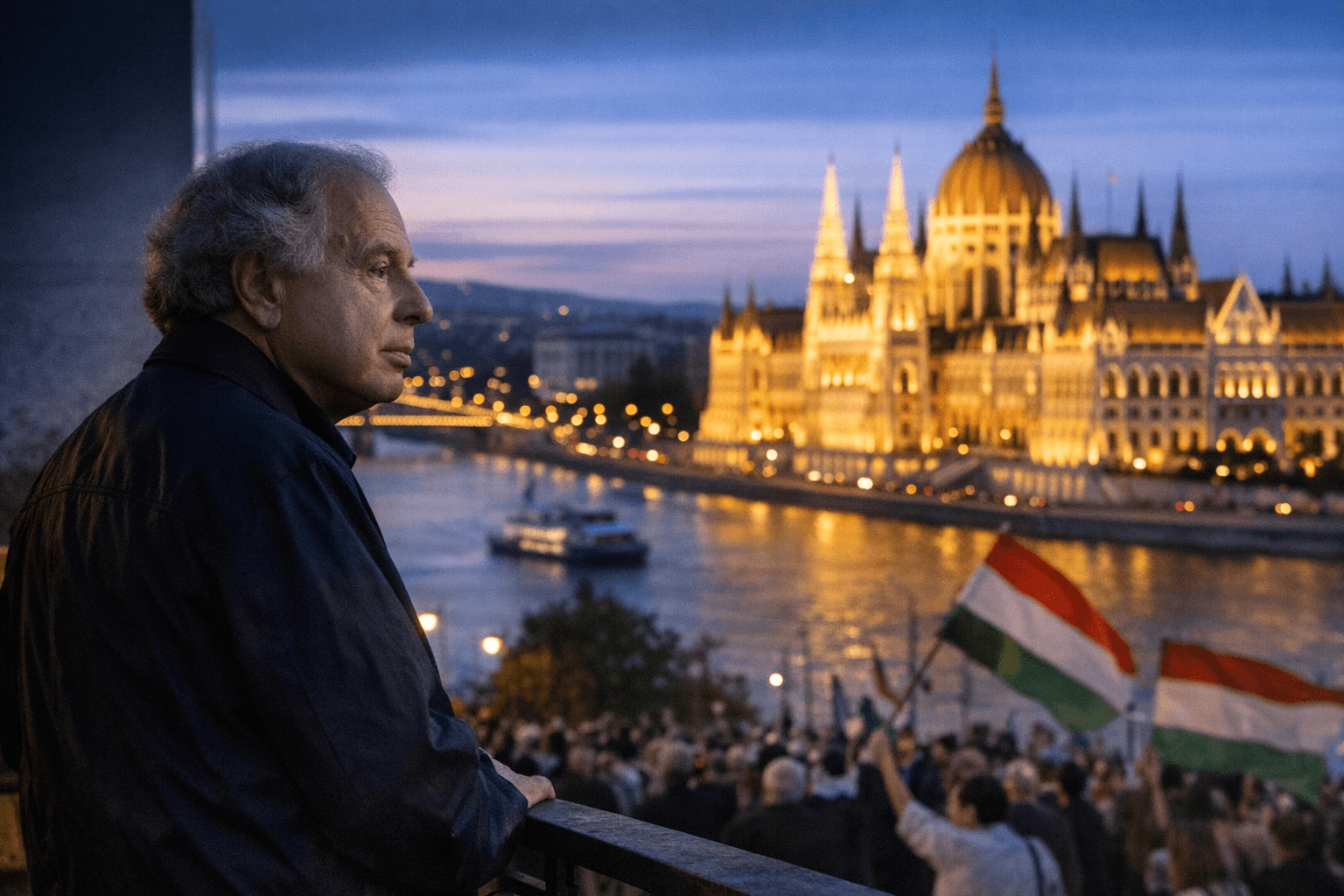
András Schiff is set to return to Budapest, ending a boycott that began as a protest against Viktor Orbán’s rule and grew into a broader test of where the pianist draws the line on democratic backsliding. The Budapest-born musician, one of Hungary’s best-known cultural figures, accepted an invitation from Budapest Mayor Gergely Karácsony and is expected to perform in May 2026, around the inauguration of Hungary’s new government.
Schiff pledged in 2011 that he would not perform in Hungary as long as Orbán remained in power. He said at the time that his refusal was tied not only to Orbán’s political direction but also to what he saw as rising authoritarianism, racism, antisemitism, xenophobia, chauvinism and discrimination against Roma in Hungary. Orbán, who had governed since 2010, was widely regarded as one of Europe’s longest-serving and most prominent illiberal leaders until his defeat in the April 12 election.
The return is politically loaded because Schiff has long treated performance itself as a public statement. He has said he will not perform in countries ruled by what he calls strongmen, a list that still includes the United States and Russia. He also recently canceled U.S. performances over Donald Trump’s policies, underscoring that his boycott is not limited to one government or one country but to what he sees as a pattern of democratic erosion.
Karácsony said he spoke to Schiff by phone and that the pianist accepted the invitation to play in Budapest, likely next month. Schiff reportedly plans to arrive in Hungary well before the concert, which is expected to draw as large an audience as possible. For Budapest, the performance would be more than a homecoming. It would mark a rare cultural return after years in which Schiff used absence as a form of protest, and it would do so just as a new political era begins in a country that has been closely watched across Europe.
Schiff’s résumé gives the gesture added weight. He has received Hungary’s Kossuth Prize, a Grammy Award and a British knighthood, and his return will be read not only as a musical event but as a symbol of how artists can respond when political power shifts. In Hungary, Orbán’s defeat changed the practical terms of that decision. It also changed the symbolic one: the stage that Schiff had refused for 15 years is now open again.
This article was produced by Prism’s automated news system from verified source data, official records, and press releases, then run through automated quality and moderation checks before publishing. The system is built and supervised by the people who set the standards it runs under. Read our full AI policy.
Did this article answer your question?