Anduril and Palantir Developing Core Software for Golden Dome Missile Defense
Anduril and Palantir are building the core software for Trump's $185B Golden Dome missile shield, joining SpaceX, Lockheed Martin, and six other firms on the most expensive defense program in U.S. history.
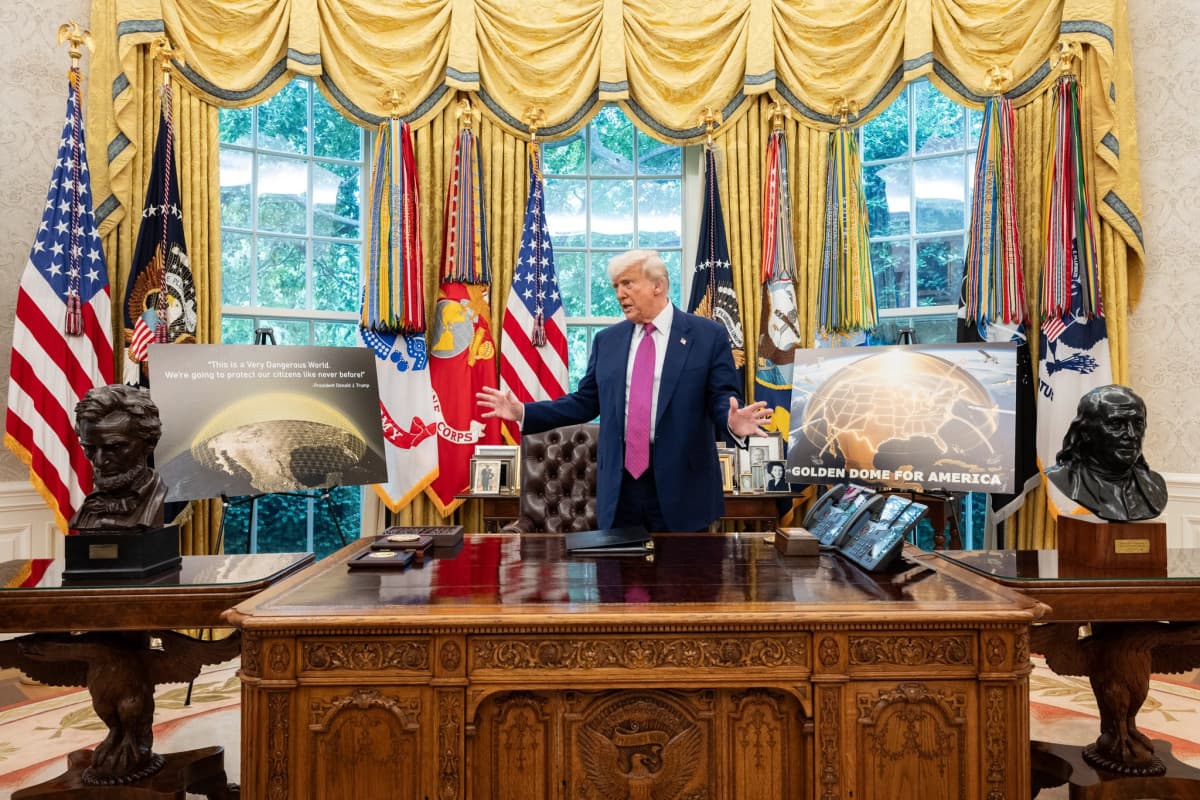
Anduril Industries and Palantir Technologies are working together to develop software for President Donald Trump's Golden Dome antimissile shield initiative, a source familiar with the matter confirmed Tuesday, thrusting two of Silicon Valley's most prominent defense startups into the center of the costliest weapons program in American history.
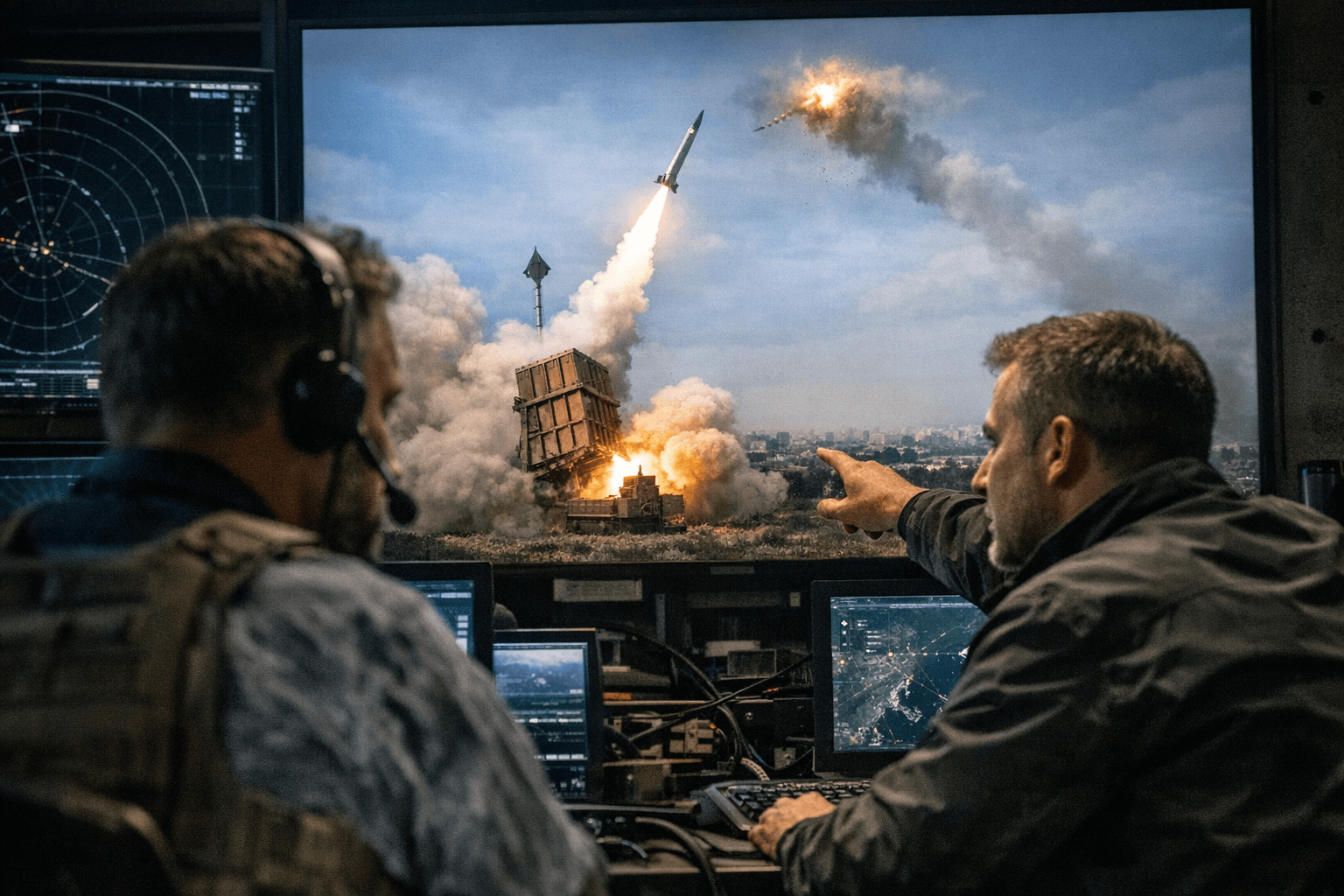
The $185 billion Golden Dome missile defense project aims to build a space-based shield capable of intercepting ballistic, cruise and hypersonic missiles, with hundreds of companies vying for a role in developing the shield. The Wall Street Journal first reported the Anduril-Palantir software collaboration on Tuesday. Neither company immediately responded to requests for comment.
The budget figure itself is freshly revised. The project's director said Golden Dome is now expected to cost around $185 billion to account for additional space-based systems. Space Force General Michael Guetlein, Golden Dome's program manager, said the additional funding was needed to accelerate space capabilities, identifying three programs that would benefit: the Advanced Missile Tracking Initiative, a space data network, and the Hypersonic and Ballistic Tracking Space Sensor. The $185 billion figure covers what Guetlein called the "objective architecture," delivering "way out into the 2035 timeframe."
Anduril and Palantir have been interested in being a part of Golden Dome since its inception, and Reuters reported last year that the firms were working with Elon Musk's SpaceX on various parts of the project. That earlier reporting, citing six people familiar with the matter, described a bid to construct and launch hundreds of satellites that would detect and track incoming missiles.
Anduril's role in the program is not limited to software. Smaller contracts for space-based interceptors were reportedly awarded in secret in late November, with awardees including Anduril Industries, Lockheed Martin, Northrop Grumman, and True Anomaly. Separately, Anduril signed a definitive agreement to acquire ExoAnalytic Solutions, a national security firm specializing in space sensing and missile defense software, a move analysts described as a direct bet on the Golden Dome project, positioning Anduril to supply critical capabilities for space-based tracking and battle management.
Additional companies confirmed to be contributing to the initiative include Aalyria Technologies, Scale AI, and software provider Swoop Technologies. On the traditional defense contracting side, industry giants Lockheed Martin, RTX, and Northrop Grumman have already secured roles as prime contractors on the program.
Guetlein called the command-and-control system Golden Dome's "secret sauce," and the assignment of that layer to two firms built almost entirely around software and AI marks a deliberate departure from how the Pentagon has historically awarded its largest programs. Cost estimates for the Golden Dome program range from $175 billion according to the White House, to $831 billion according to the Congressional Budget Office, to $3.6 trillion according to the American Enterprise Institute, depending on architectural details.
The Pentagon has already received a $23 billion down payment for the Golden Dome initiative through a reconciliation bill, but lawmakers have been in the dark about how the Pentagon plans to spend that money. With Anduril and Palantir now publicly identified as the software architects of the system's core, that question is unlikely to stay unanswered for long.
This article was produced by Prism’s automated news system from verified source data, official records, and press releases, then run through automated quality and moderation checks before publishing. The system is built and supervised by the people who set the standards it runs under. Read our full AI policy.
Did this article answer your question?