NOAA predicts weekend aurora lights, visible across northern U.S. and Canada
Northern U.S. and much of Canada had the best shot at aurora viewing Saturday and Sunday nights as NOAA tracked G2 geomagnetic activity tied to a coronal-hole stream.

Skywatchers across the northern United States and much of Canada had the best chance to catch the aurora Saturday and Sunday nights, with NOAA saying the lights were most likely to show under dark, clear skies. The strongest viewing window was centered on the overnight period between 6 p.m. and 6 a.m. Central Time, when NOAA’s short-term maps tracked the maximum forecast geomagnetic activity.
NOAA’s Space Weather Prediction Center said the greatest observed 3-hour Kp over the past 24 hours reached 6, which falls in NOAA Scale G2, or moderate, territory. For May 16 through May 18, 2026, NOAA forecast the greatest expected 3-hour Kp at 5.67, also in the G2 range. Its broader aurora dashboard showed predicted geomagnetic activity staying elevated into May 17 before easing by May 18, with G1 minor activity listed for May 16 and May 17 and G none by May 18.
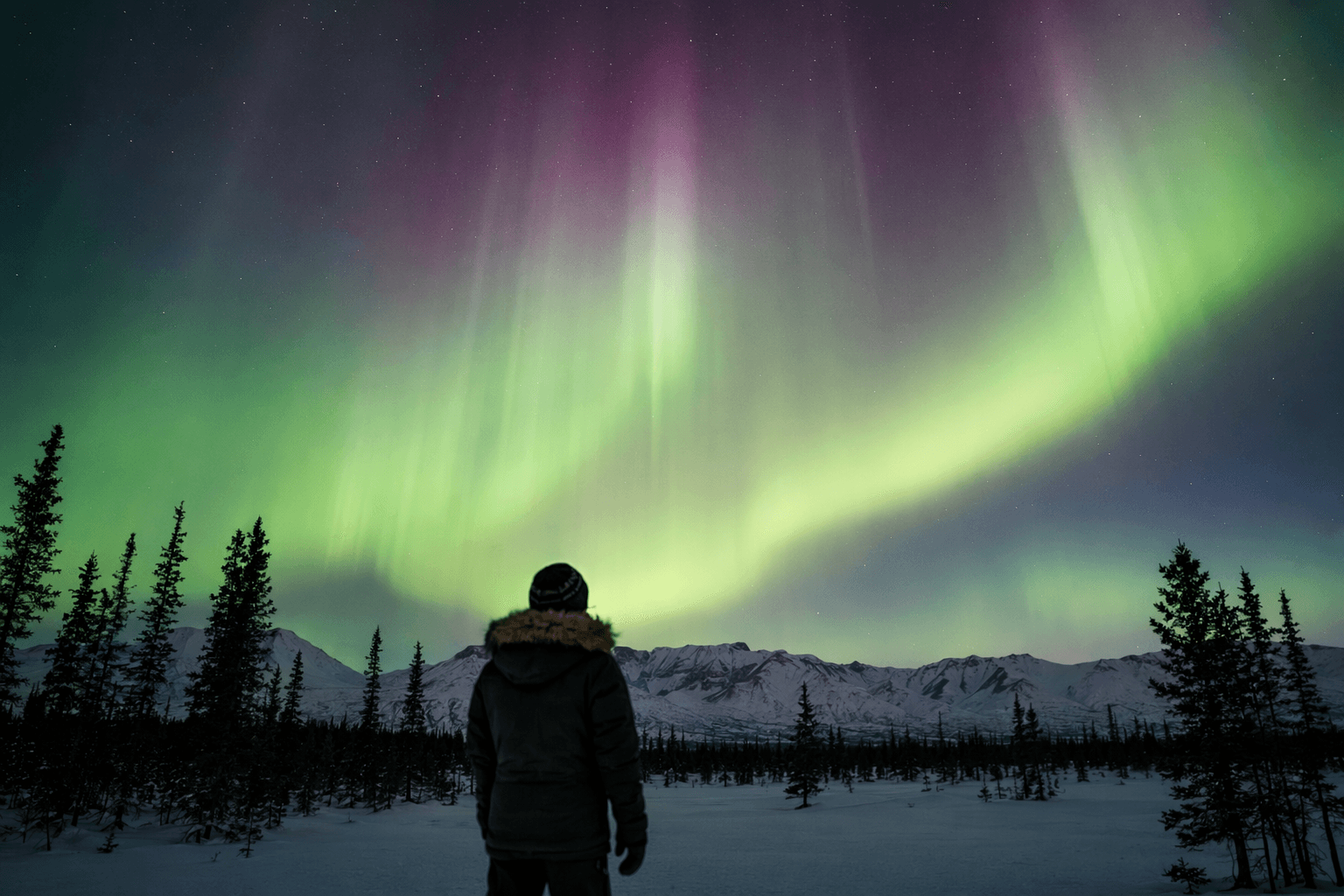
The display was being driven by a high-speed solar wind stream linked to a positive-polarity coronal hole, what NOAA described in its forecast discussion as a coronal-hole high-speed stream. NOAA said G1 to G2 geomagnetic storms were likely on May 16 because of the CIR associated with that stream, and G1 storming levels were likely on May 17 as the coronal-hole flow persisted. In plain terms, that meant the aurora could push farther south than usual if the sky stayed dark and clear.
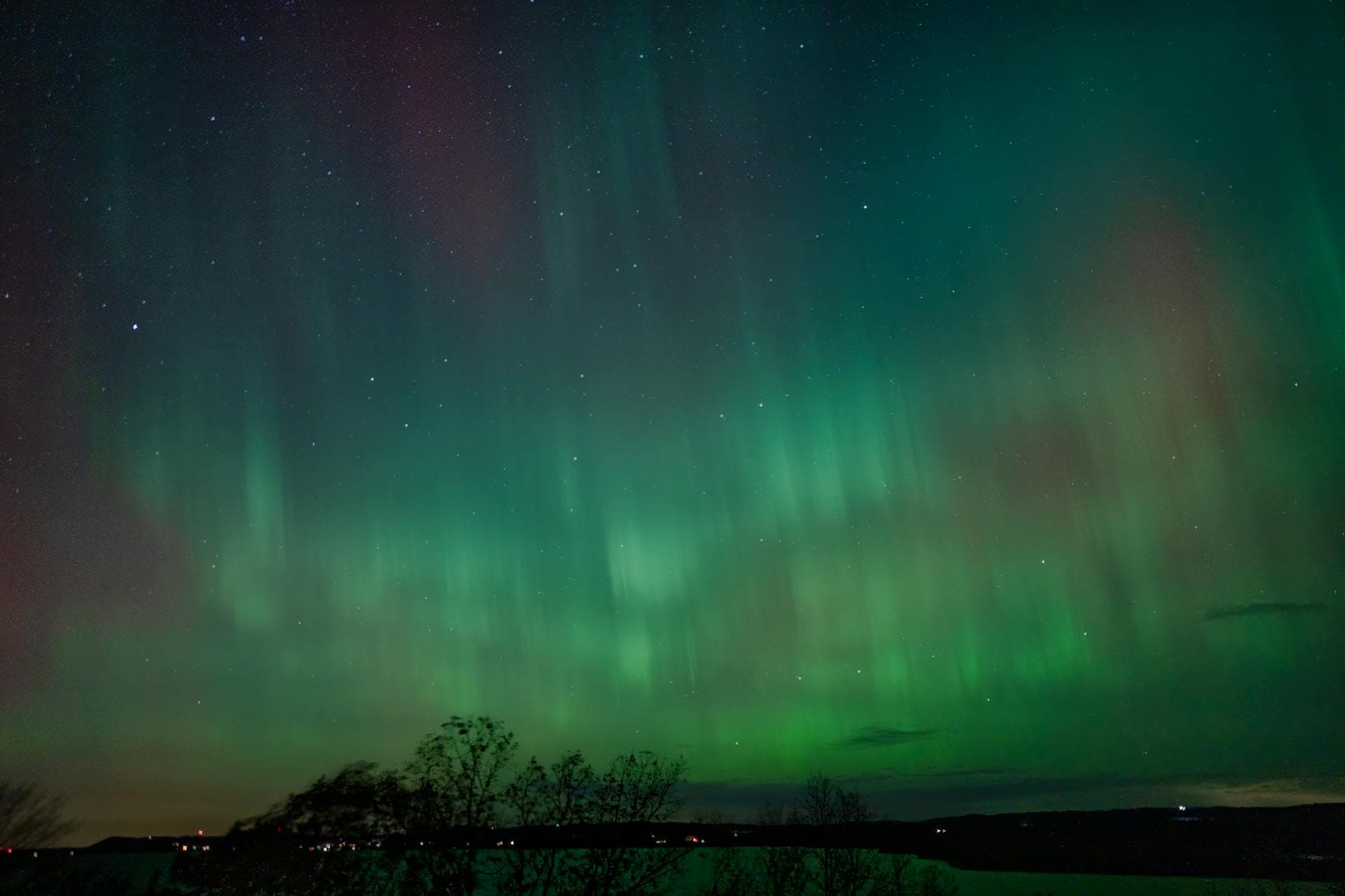
NOAA’s aurora products use the OVATION model, and the agency said the maps for tonight and tomorrow night were based on the maximum forecast geomagnetic activity between 6 p.m. and 6 a.m. Central Time. NOAA also said no S1 or greater solar radiation storms were expected in the May 16-May 18 forecast period, a sign that the main impact was expected to be visual geomagnetic activity rather than a radiation event.
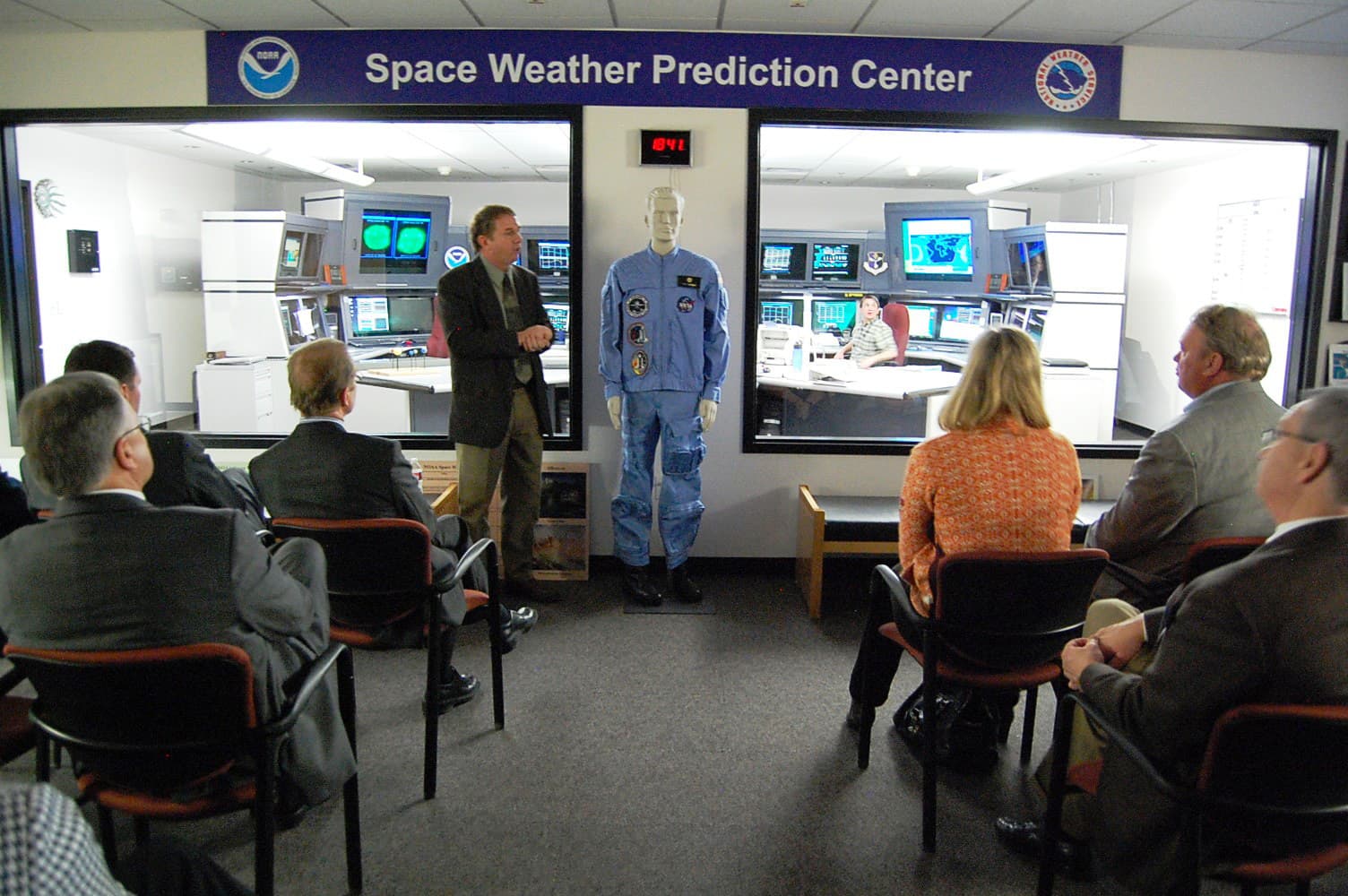
That distinction matters because NOAA monitors geomagnetic activity not only for skywatching, but also for its effects on HF radio communications, navigation signals and other technology systems. For now, the headline was a modest but real aurora opportunity, not a rare once-in-a-decade storm.
This article was produced by Prism’s automated news system from verified source data, official records, and press releases, then run through automated quality and moderation checks before publishing. The system is built and supervised by the people who set the standards it runs under. Read our full AI policy.
Did this article answer your question?