Diesel price surge from Iran war strains U.S. school budgets
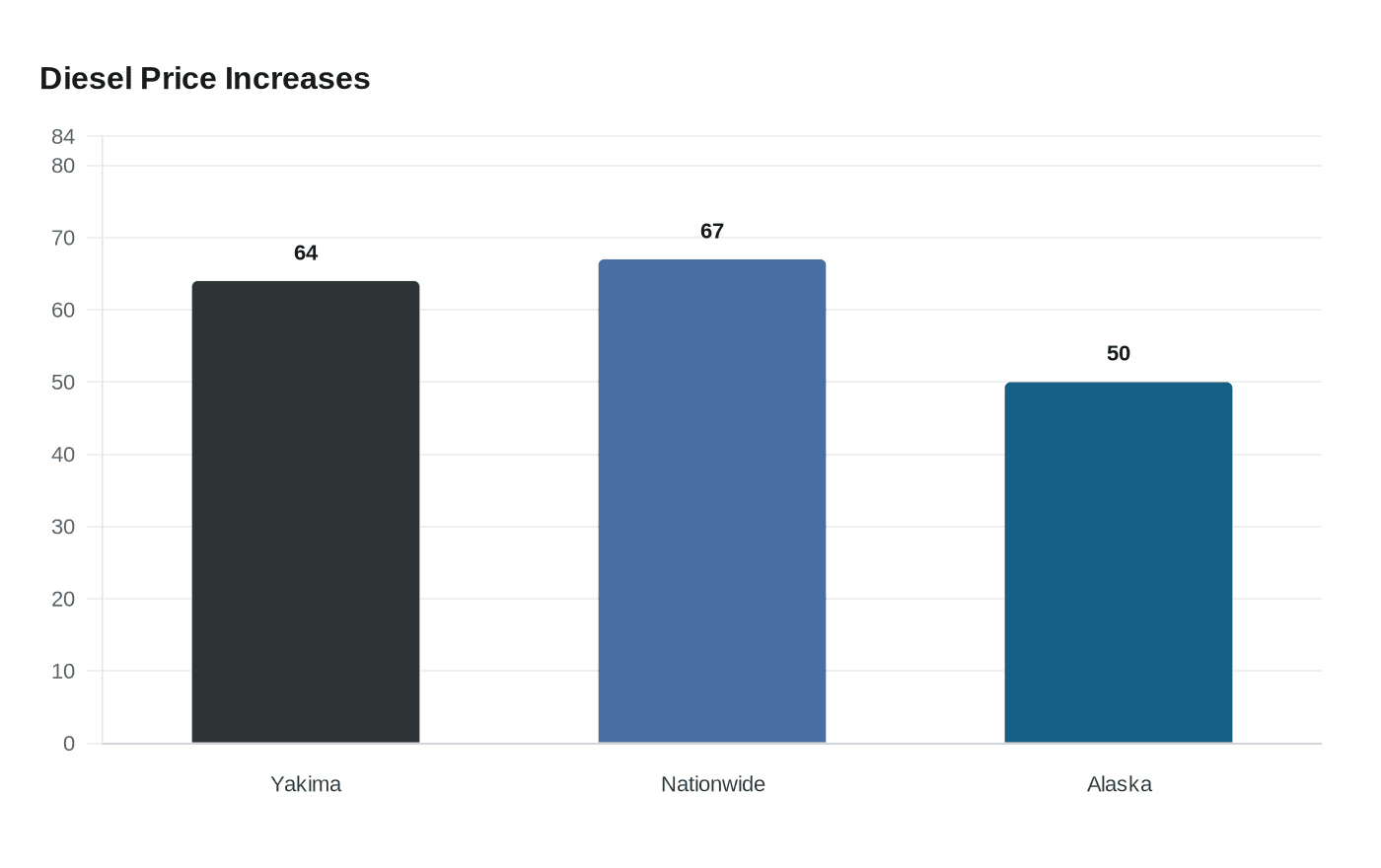
Diesel costs have jumped 67% since December, forcing districts like Yakima to cover a $213,000 hit and raid reserves to keep buses moving.

A fuel shock tied to the Iran war is now reaching the schoolhouse door. Diesel prices have climbed so sharply that districts from Yakima, Washington, to Waco, Texas are leaning on emergency reserves to keep buses on the road, while remote Alaska communities are fighting to secure enough fuel to keep lights on and daily operations running.
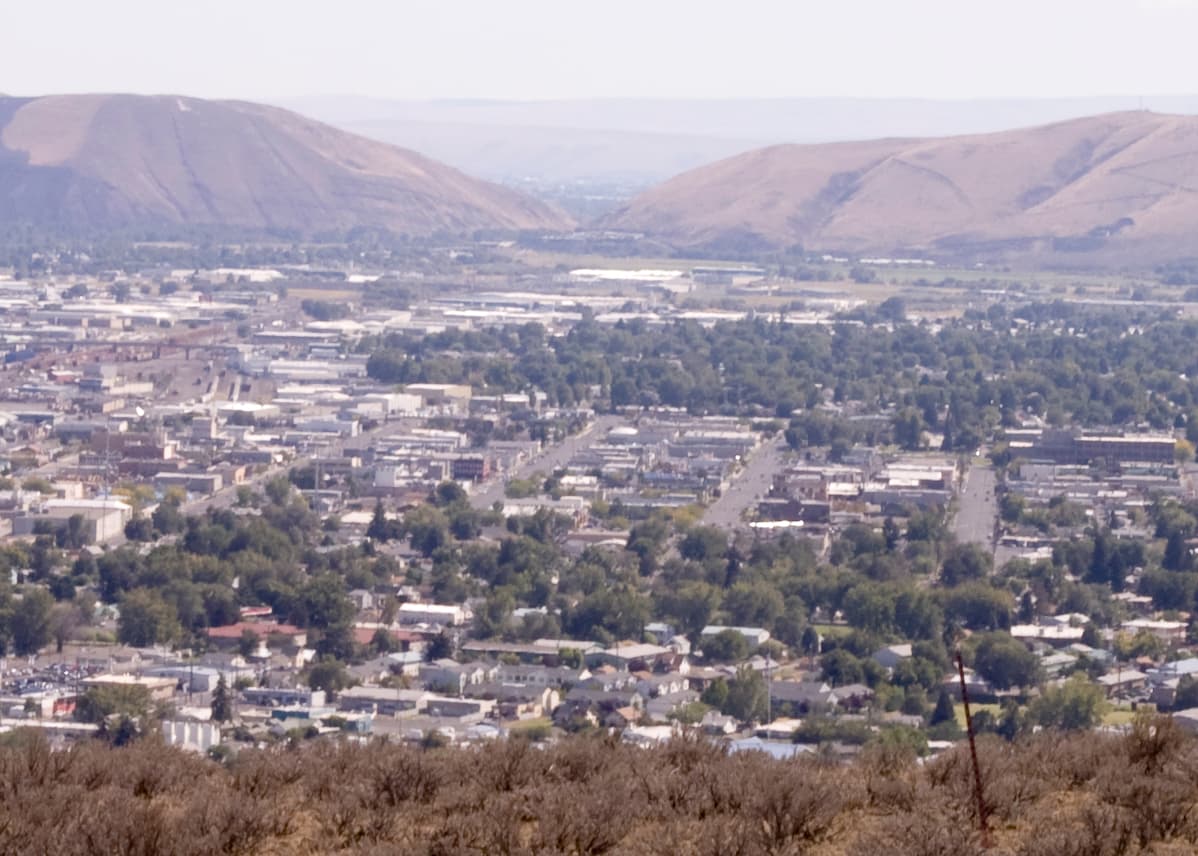
In Yakima, Superintendent Trevor Greene said the strain was no minor inconvenience, calling it “like a haystack added to an already overloaded camel.” District officials said diesel was up 64% year-on-year to $6.30 a gallon, a jump that will add about $213,000 a year to fuel costs for Yakima’s 60-bus fleet, roughly the cost of two teachers’ salaries. Across the country, many districts are making the same painful tradeoffs: consolidating routes, enforcing anti-idling rules, changing purchasing practices, deferring maintenance, and cutting administrative spending and staffing.
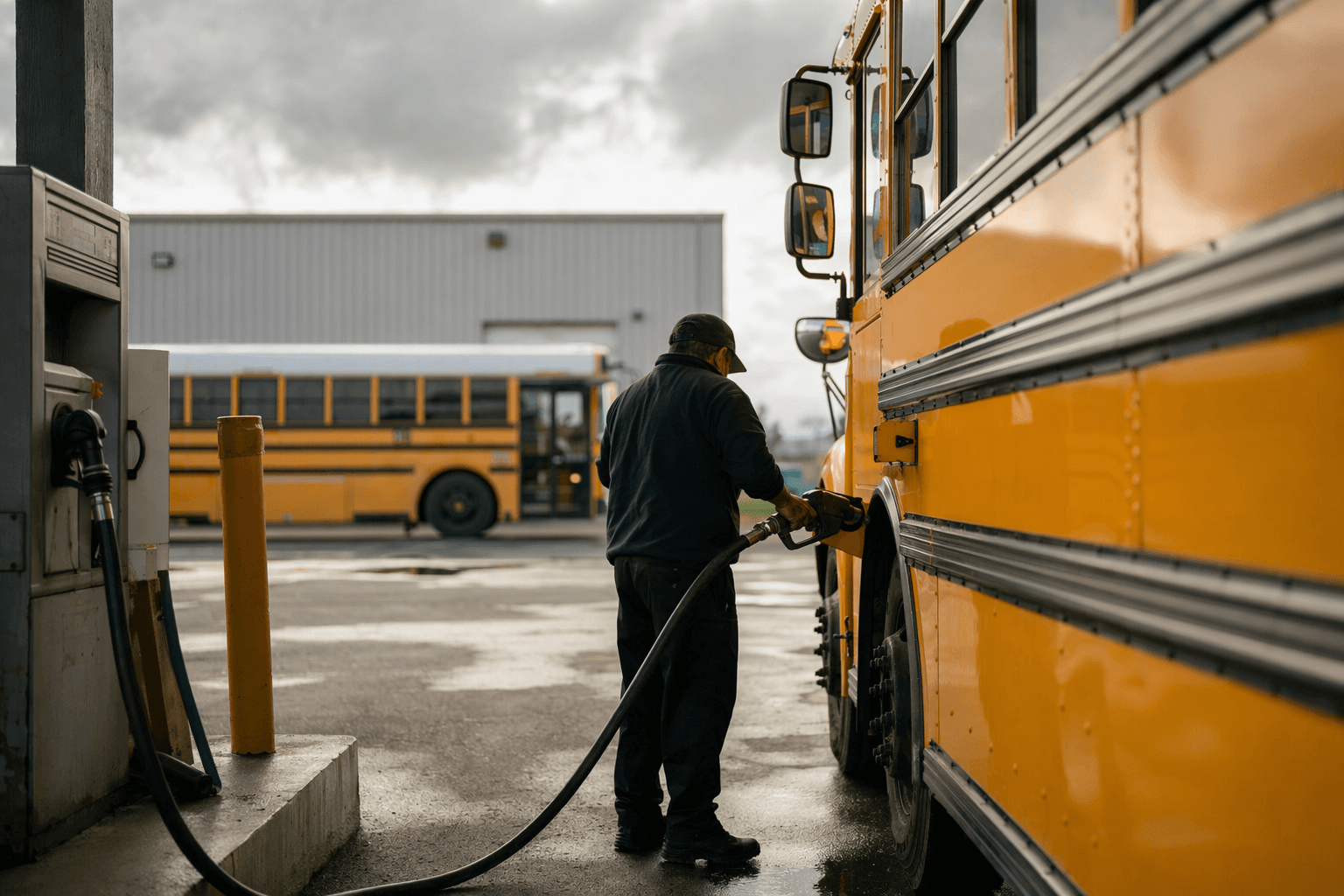

The scale of the squeeze is visible in the numbers. Fleets are now paying $5.52 a gallon for diesel, up 67% since December, a rise that would translate into about $1.8 billion in annual operating costs for school buses nationwide. In a survey of 188 school officials conducted during the week of May 4, close to one-third said they were shifting money from other funds or programs to cover higher fuel costs, and almost one-fifth said they were tapping reserves or rainy day funds.
That pressure is especially severe in Alaska, where many rural communities receive only one bulk fuel delivery during a short summer shipping season, effectively locking in a year’s price. An April 15 Alaska Beacon report said some vendors warned prices could rise 50% because of the war-driven supply crunch. Even before the conflict, gas had reached $6.72 in Bethel and heating fuel had been $17.50 a gallon in Ambler for the past year, a reminder that the state’s transportation and heating systems are already running on thin margins.
Brown University’s Iran War Energy Cost Tracker is now measuring the added gasoline and diesel burden since February 28, 2026, using actual prices updated daily. That broader data underscores the same pattern playing out in school districts: a conflict far from U.S. classrooms is arriving in the budget lines that pay for bus routes, backup generators, and the ordinary machinery of public education.
This article was produced by Prism’s automated news system from verified source data, official records, and press releases, then run through automated quality and moderation checks before publishing. The system is built and supervised by the people who set the standards it runs under. Read our full AI policy.
Did this article answer your question?

