Andy Burnham eyes Westminster return amid Labour leadership crisis
Andy Burnham's Westminster comeback moved from speculation to strategy, with Labour's leadership strain reviving his case as a national contender.
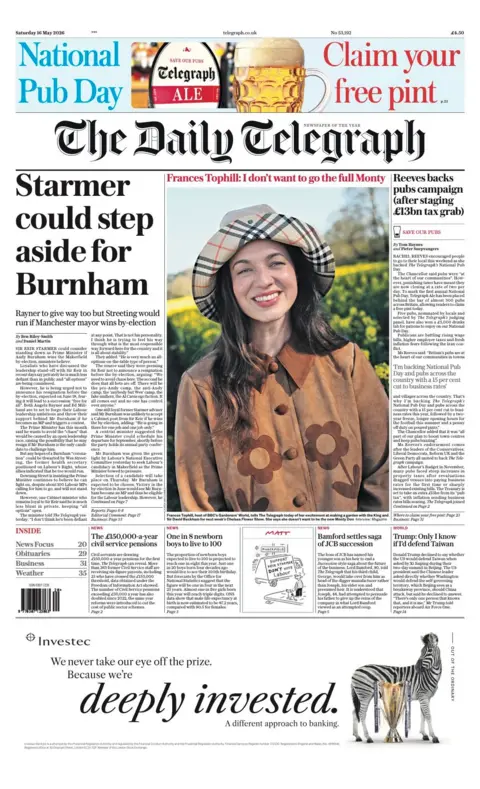
Andy Burnham has moved from being a familiar regional figure to a name at the center of Labour’s succession debate after confirming he will seek a return to Westminster. That makes any future leadership contest more than a bout of Westminster gossip: if Burnham is to challenge Keir Starmer, he first needs a route back into Parliament, and the timing of his move has intensified the sense that Labour’s top job is already in play.
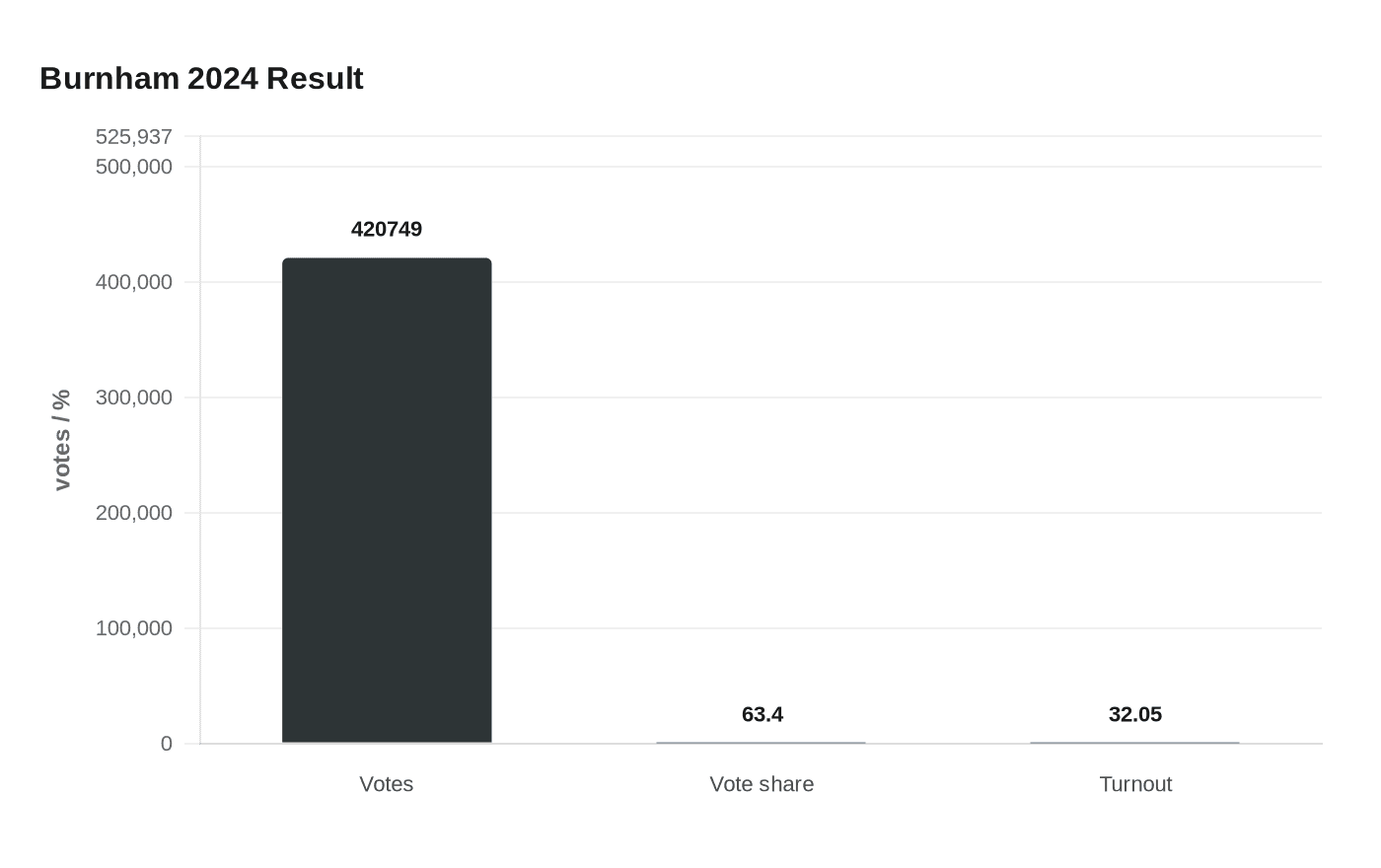
Burnham’s pitch rests on more than profile. He was first elected Mayor of Greater Manchester in May 2017, then re-elected in May 2021 and again in May 2024. On 2 May 2024, he won 420,749 votes, or 63.40 percent, with turnout at 32.05 percent. He leads the Greater Manchester Combined Authority, a body made up of 10 local authorities with control over a £2.6bn budget, giving him an executive record that stretches far beyond the ceremonial kind of politics often associated with local government.
That mayoral record has been politically useful because it gives Burnham a claim to practical delivery. His backers point to transport reform through the Bee Network and the return of local public control over buses as proof that he can turn Labour language into visible change. In a party where voters have often been told that competence matters as much as ideology, Burnham’s case is that he has both a public mandate and a machine that has been tested in office.
He also has a long Westminster pedigree. Burnham represented Leigh from 2001 to 2017 and served in cabinet as chief secretary to the Treasury, culture secretary and health secretary. He has already run for the Labour leadership once before, finishing runner-up to Jeremy Corbyn in 2015. That history matters because it shows Burnham is not being invented by the media from scratch; he has already been through the national contest, and he remains recognisable to the party membership.
Still, the scale of the current speculation also reflects Labour’s broader crisis. Some members and MPs are said to view Burnham as a preferred successor, while pressure on Starmer has made the succession question harder to ignore. A poll wrapped in early May showed 42 percent of Labour members would choose Burnham if a contest took place, but that is not the same as having the parliamentary numbers, the machine support or the factional reach needed to win. Figures such as Wes Streeting and Clive Lewis are part of the wider conversation, yet Burnham’s mix of municipal power, national experience and leadership history has made him the most serious test case for what a post-Starmer contest could look like.
This article was produced by Prism’s automated news system from verified source data, official records, and press releases, then run through automated quality and moderation checks before publishing. The system is built and supervised by the people who set the standards it runs under. Read our full AI policy.
Did this article answer your question?


%3Amax_bytes(150000)%3Astrip_icc()%2FTrumpandBitcoin2-58606bf51eda48bdaef9a9853f2541ad.png&w=1920&q=75)