Andy Burnham promises new path for Britain in first Downing Street speech
Andy Burnham entered Downing Street as Britain’s seventh prime minister in 10 years, promising “more breathing room” after a decade of political churn.
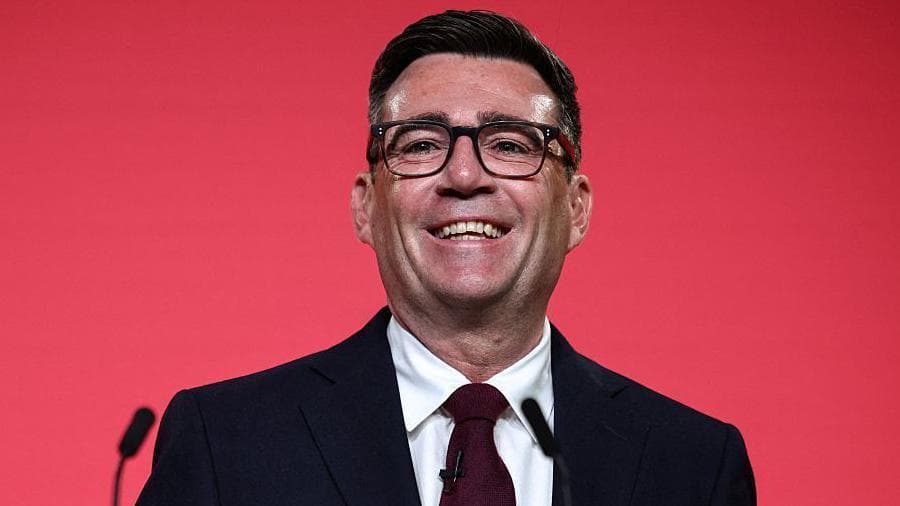
Andy Burnham used his first speech from Downing Street to promise a “new path” for Britain, a pitch aimed at a public worn down by rapid turnover at the top and a succession of unmet domestic pledges. He became the UK’s seventh prime minister in 10 years, a backdrop that sharpened the contrast between his promise of “more breathing room” and the instability that has defined Westminster.
Burnham said his government would focus on economic renewal, greater public control of essential services and a shift of power away from Westminster toward local and regional government. He also set out a wider “10-year mission” to raise living standards, with a plan to create a “No 10 North” in Manchester and base part of the Downing Street operation there. Burnham, who was previously mayor of Greater Manchester, has said he would work some days in Manchester if he became prime minister, an idea that underlines how central devolution has become to his political identity.
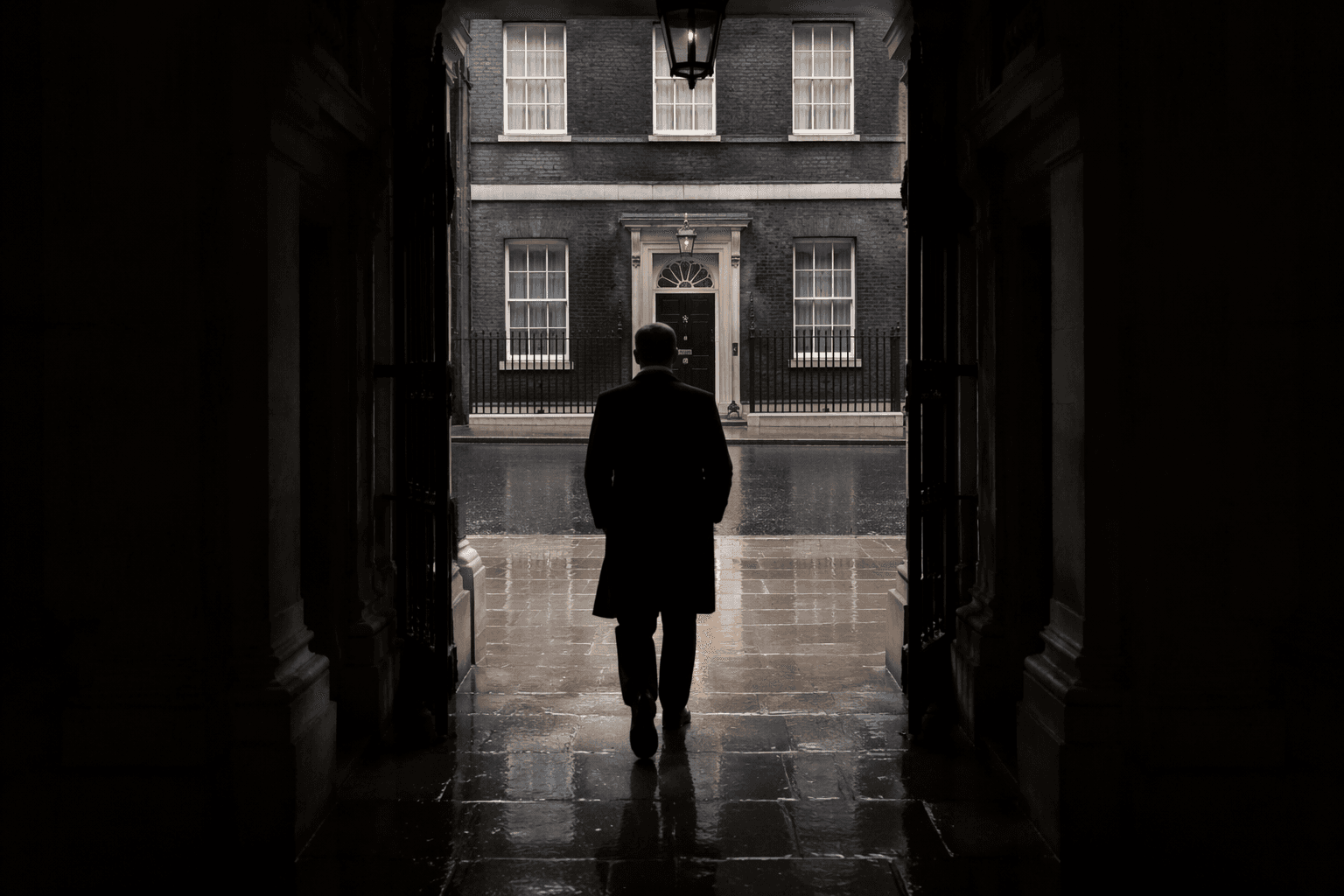
The leadership change followed Sir Keir Starmer’s resignation as Labour leader and prime minister. Nominations opened on 9 July and closed on 16 July, and Burnham won the backing of the vast majority of Labour MPs before being confirmed at a special conference. He returned to Parliament only weeks earlier in the Makerfield by-election, an unusually fast route back to the centre of national power.
The political argument around Burnham is already taking shape. Labour deputy leader Lucy Powell said he would “radically rewrite” the political and economic model for the country, while Conservative leader Kemi Badenoch said he would face a “rude awakening” when he took office. Burnham has framed part of his economic case around inflation, saying greater public control of essentials is needed to tackle rising prices.
The first 100 days will now test whether that message becomes a governing break or a rhetorical reset. Voters will be watching for movement on the Manchester base, the devolution agenda and any early steps on utilities, transport or other essential services that Burnham says should be brought under more public control. If those promises stay at the level of speechmaking, the instability that brought him to Downing Street will quickly swallow the new one.
This article was produced by Prism’s automated news system from verified source data, official records, and press releases, then run through automated quality and moderation checks before publishing. The system is built and supervised by the people who set the standards it runs under. Read our full AI policy.
Did this article answer your question?