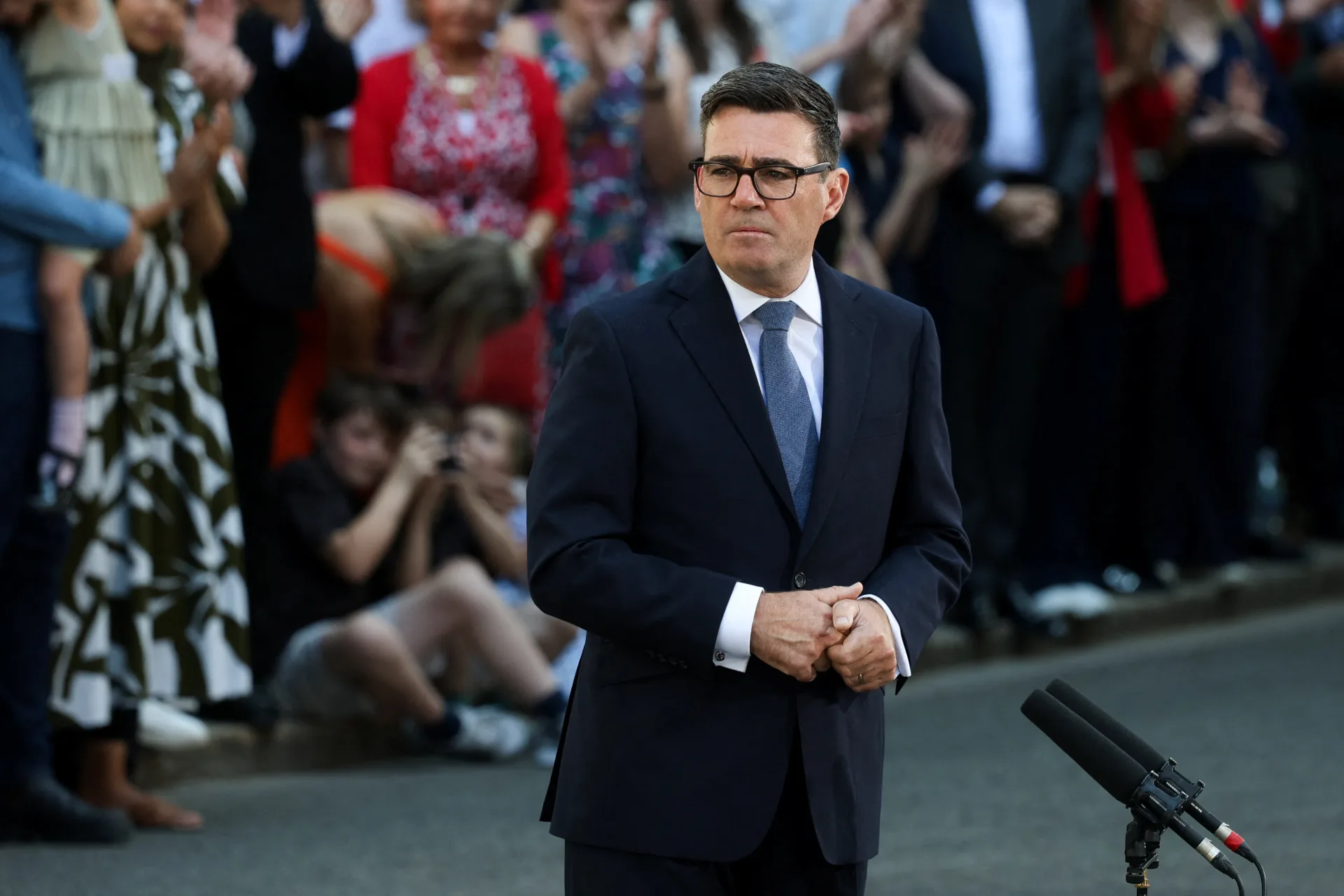
Starmer quits as Labour leader, triggering contest for next prime minister
Starmer quit as Labour leader at 10 Downing Street, saying he was not best placed to lead the party into the next election and would stay on until a successor was chosen.
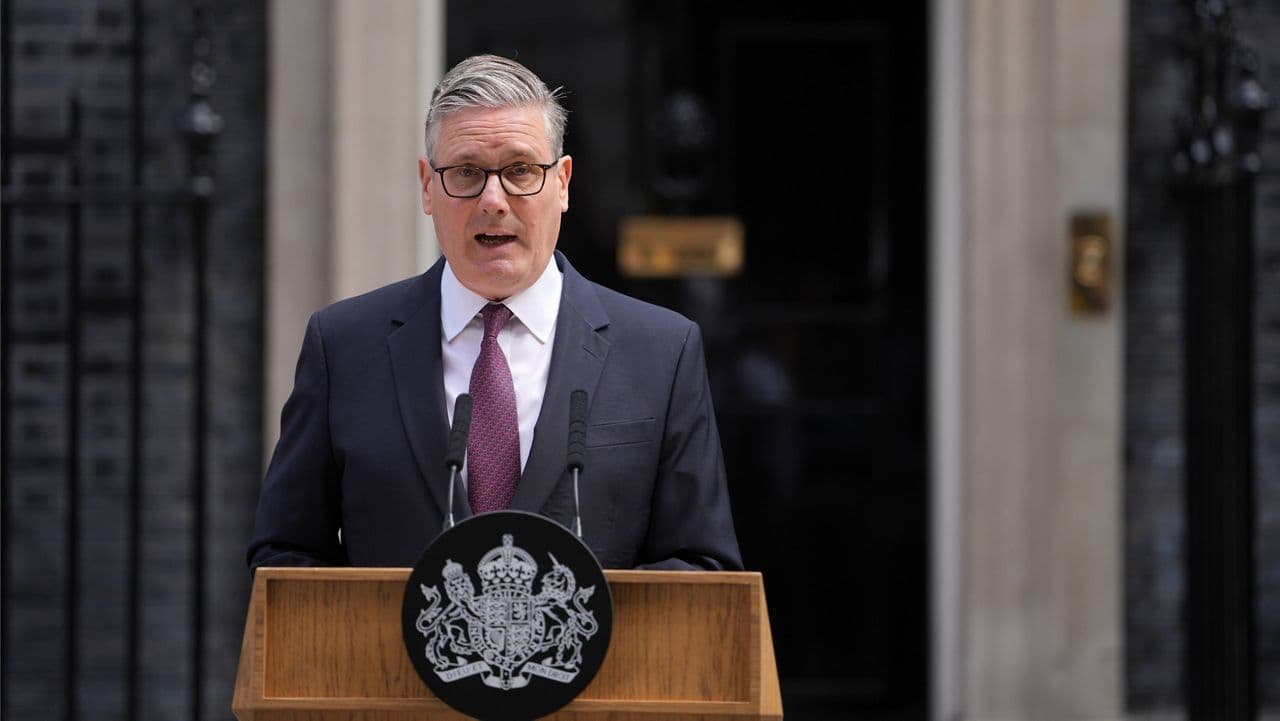
Sir Keir Starmer announced at 10 Downing Street that he would quit as Labour Party leader, opening the way for a contest to choose the next prime minister. He said he was not best placed to lead Labour into the next general election and told King Charles III of his decision to step down.
Starmer made the announcement in front of an applauding crowd outside Downing Street after a final appearance in the Commons that ended with MPs cheering him out of his last prime minister’s questions. He told MPs, “this is the end of my political journey.” In his farewell speech, he said walking up Downing Street was “the proudest moment of my life” and described the moment as the start of “a new Labour government” and “the first in 14 years.”
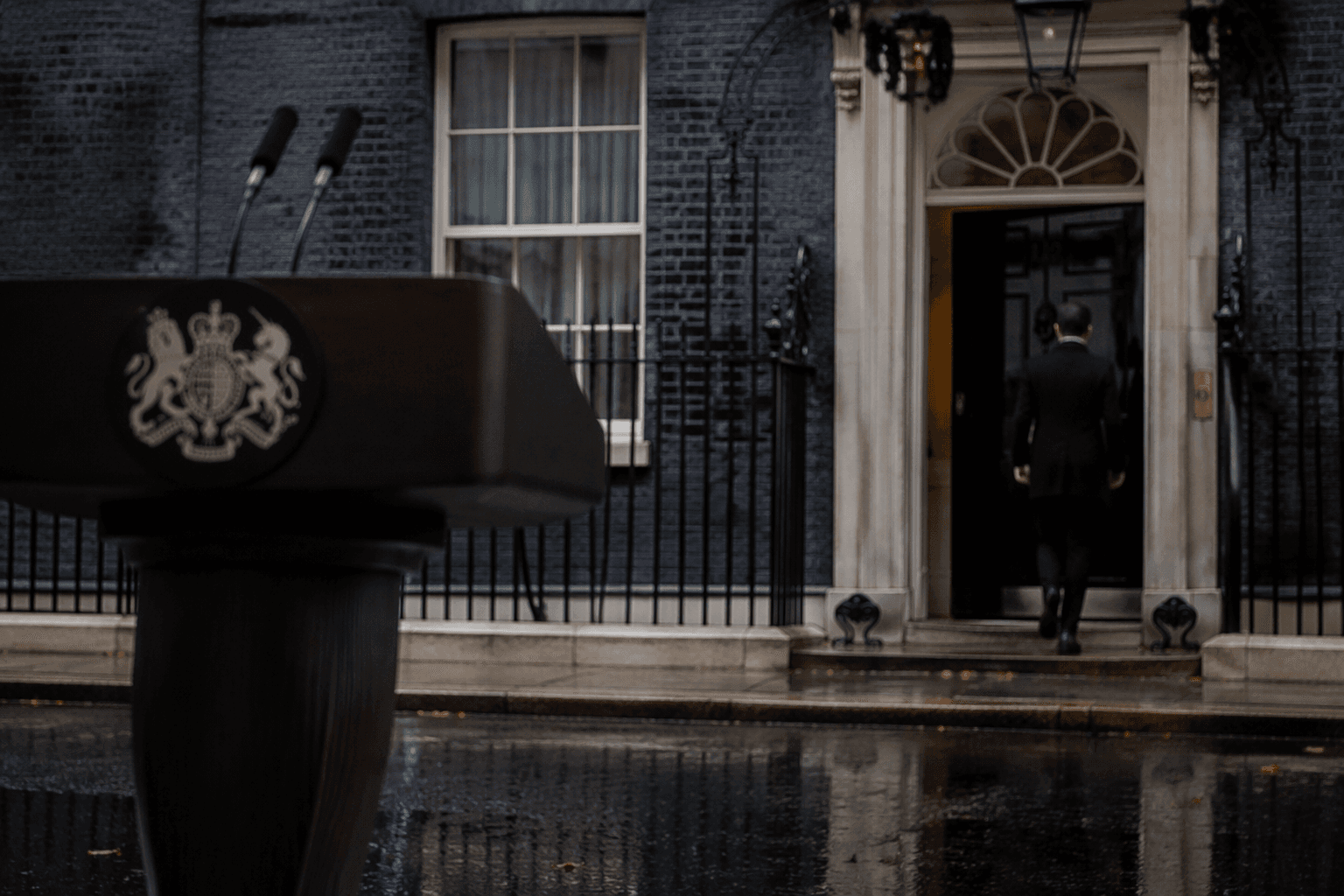
Labour’s governing body was set to draw up the timetable for replacing him, with nominations due to open on 9 July and close by the summer recess on 16 July. Until the party chose a new leader, Starmer said he would remain caretaker prime minister, leaving him in office but stripped of the political mandate to fight the next election.
The resignation marked a sharp turn for a leader who won power in a landslide two years earlier on a promise of steady leadership and economic growth. The move had been building for months, and it came after a premiership shadowed by missteps and mistakes that eroded the authority he had built on the campaign trail. The public exit at Downing Street underlined how quickly the premiership had moved from a moment of triumph to an orderly handover.
The immediate task for Labour is now institutional as much as political. The party must choose a successor, define whether it will continue Starmer’s governing style or redraw its message, and prepare for a general election fight with a new leader at the top. Starmer’s closing speech tried to frame his time in office as a beginning, but the decision to step aside left his successor with the unfinished work of turning a victory into a durable political settlement.
This article was produced by Prism’s automated news system from verified source data, official records, and press releases, then run through automated quality and moderation checks before publishing. The system is built and supervised by the people who set the standards it runs under. Read our full AI policy.
Did this article answer your question?