Andy Burnham rises to power after Starmer’s resignation
Front pages crowned Andy Burnham and questioned his mandate as Labour MPs handed him 322 nominations, while rival bids hovered over a swift succession.
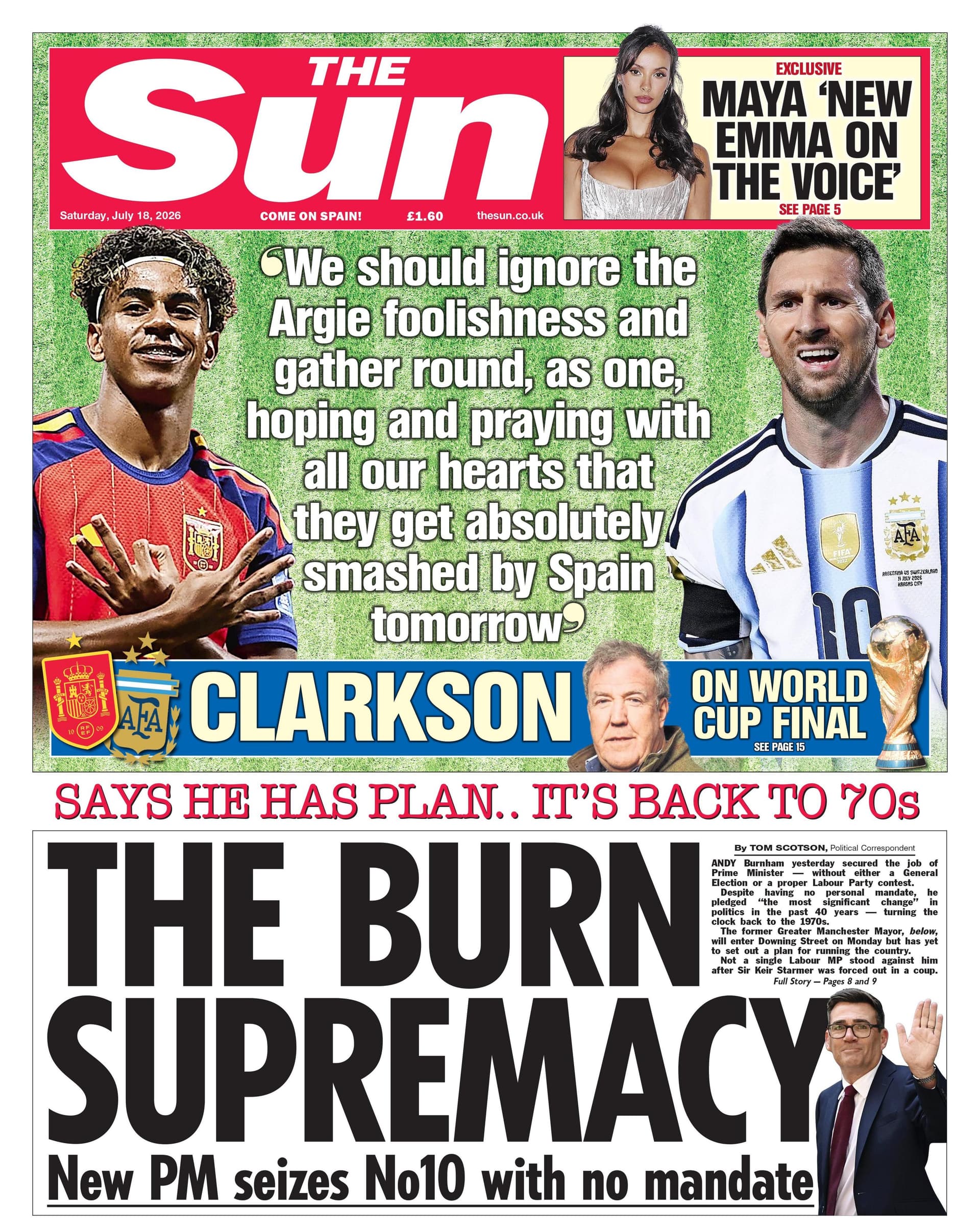
Saturday’s front pages cast Andy Burnham as both victor and warning, with the BBC highlighting headlines such as “Keir’s tears... Andy’s crown” and “Messiah without a mandate.” The splash followed Sir Keir Starmer’s resignation on 22 June 2026 and Burnham’s rapid ascent, turning the first 24 hours into a fight over legitimacy as much as leadership.
The numbers moved fast. BBC reporting put Burnham on 322 Labour MP nominations in an initial tally, and Labour Party figures published on 9 July 2026 also showed him on 322. That left Burnham close to becoming Labour leader with little visible competition, as reports said he was likely to be the only candidate in the contest. Some outlets said he could be confirmed as leader on 17 July 2026, while one report said he could take office as early as Monday after a meeting with King Charles III.
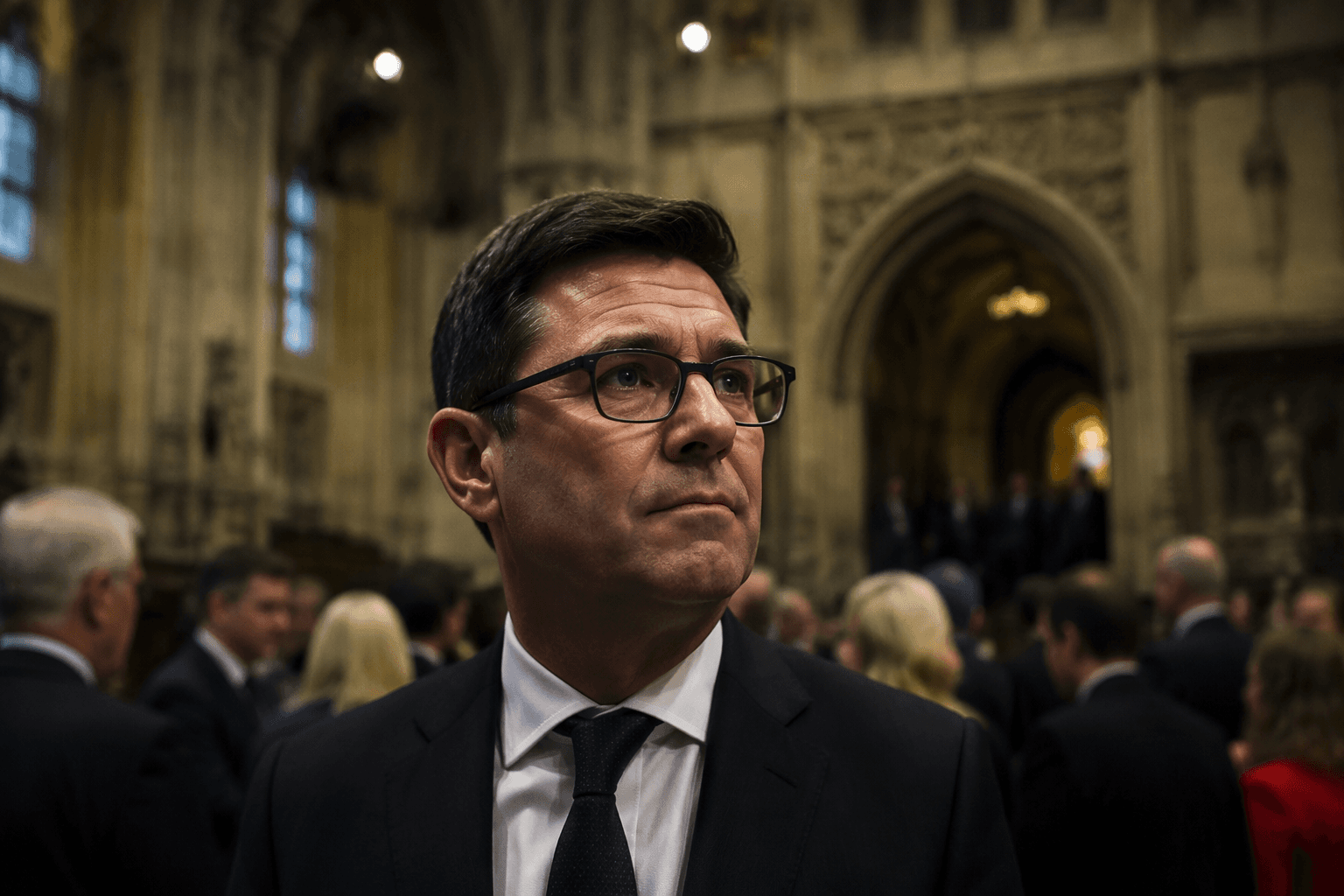
The press coverage did more than track the mechanics of succession. The Sun ran a photograph of a smiling Burnham taking a selfie with Labour MPs inside Westminster after he was sworn in, a picture that projected momentum and camaraderie inside the parliamentary party. BBC reporting also said at least two senior Labour MPs were considering leadership bids to stop Burnham becoming prime minister without a formal contest, a sign that the party’s internal nerves were running alongside the rush to crown a successor.
Starmer’s departure placed the moment in a wider pattern of political churn. AP coverage said he would become the sixth British prime minister in a decade to quit, while other reports said Britain would have its seventh prime minister in 10 years. Burnham’s return to Parliament through a special election in Greater Manchester helped set up his challenge and gave him the platform to move from local power to the centre of Westminster politics.
That combination of a commanding nomination total, talk of an uncontested contest and visible elite resistance has shaped the story the papers are telling about Burnham’s authority. The headlines have already started to frame him as a leader-in-waiting, but also as a figure whose route to power is still being judged against the question of mandate.
This article was produced by Prism’s automated news system from verified source data, official records, and press releases, then run through automated quality and moderation checks before publishing. The system is built and supervised by the people who set the standards it runs under. Read our full AI policy.
Did this article answer your question?