Andy Serkis Reimagines Animal Farm as Animated Warning on Power
Andy Serkis' animated Animal Farm opened with a softer ending for younger viewers, but its pigs, propaganda and power grabs still land as a warning.
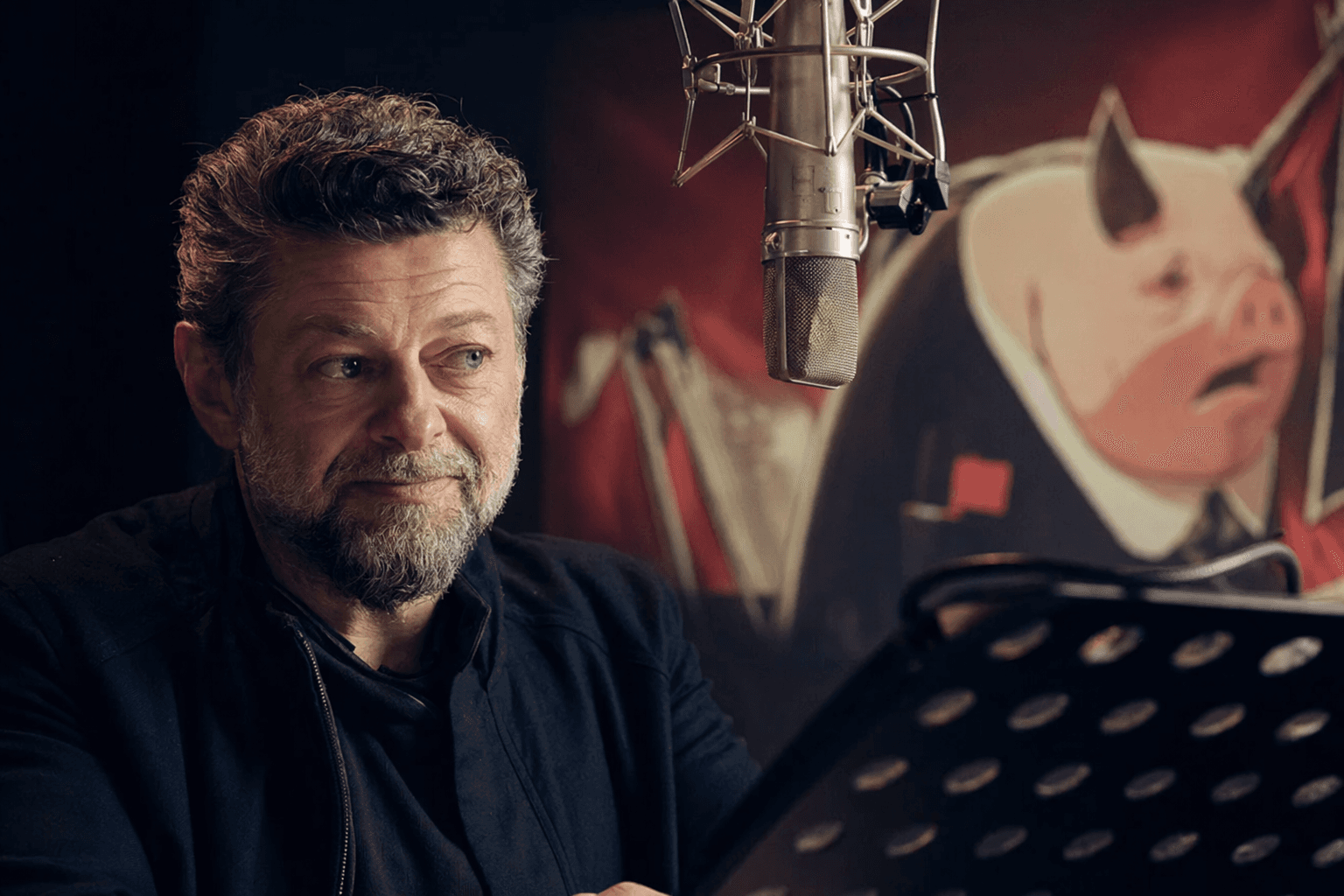
Andy Serkis has taken George Orwell’s most familiar political fable and pushed it back into the present tense. His CG-animated Animal Farm opened in U.S. theaters on May 1, 2026 after a premiere at Annecy International Animation Film Festival in June 2025, bringing Orwell’s barnyard revolt to a moment still shaped by battles over truth, authority and who gets to rewrite the rules.
Orwell wrote Animal Farm in 1943 and 1944, and the novella was finally published in 1945 after repeated publisher rejections. It has long been read as an allegory of the Russian Revolution and the rise of Stalinism, with the animals’ promise of equality collapsing as the pigs tighten their grip on power. That structure is what gives Serkis’s version its force now: the story is not just a history lesson about a Soviet betrayal, but a warning about how movements built on shared sacrifice can be hollowed out from within.
Serkis directed the adaptation and worked from a screenplay by Nicholas Stoller. The film was produced by Aniventure and The Imaginarium Studios, with animation by Cinesite, and Angel Studios acquired U.S. theatrical rights. Its voice cast is stacked with recognizable names, including Seth Rogen, Gaten Matarazzo, Glenn Close, Woody Harrelson, Steve Buscemi, Kieran Culkin, Laverne Cox, Kathleen Turner, Jim Parsons and Iman Vellani. That roster gives the project the reach of a mainstream studio release, but the core appeal remains Orwell’s blunt political design.
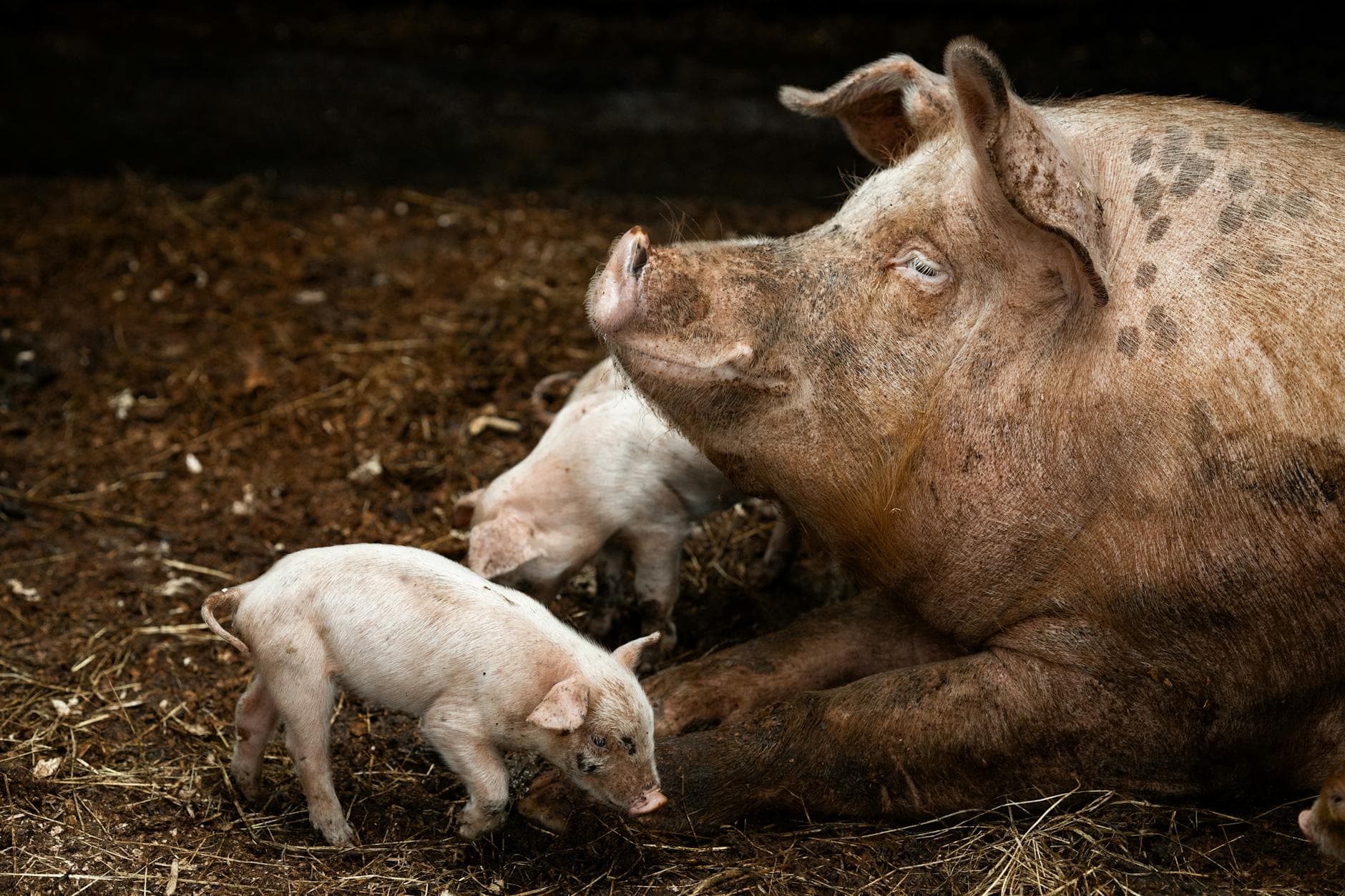
What animation allows, and live action often blunts, is the full clarity of the allegory. Serkis can keep the animals unmistakably symbolic without trapping the material inside costume realism or turning it into a period drama with fur. The medium also lets him soften the final blow for younger viewers without erasing the warning at the center of the tale. Serkis has said he wanted to make the story less bleak for younger audiences, a choice that points to the adaptation’s balancing act: preserve Orwell’s critique of manipulation and authoritarianism, but leave room for a measure of hope.
That balance explains why Animal Farm is being revived now. In a culture still arguing over propaganda, corrupted leadership and the erosion of shared truth, Serkis’s version does not read as a nostalgic reboot. It reads as a fresh attempt to show how quickly a revolution can be repurposed into a machine for control.
This article was produced by Prism’s automated news system from verified source data, official records, and press releases, then run through automated quality and moderation checks before publishing. The system is built and supervised by the people who set the standards it runs under. Read our full AI policy.
Did this article answer your question?