Annapolis Bill Would Give Baltimore More Control Over Public Transit
Baltimore could gain a nine-member MTA oversight board, with two appointees from the mayor and a separate MARC oversight board, after a House committee hearing Thursday.
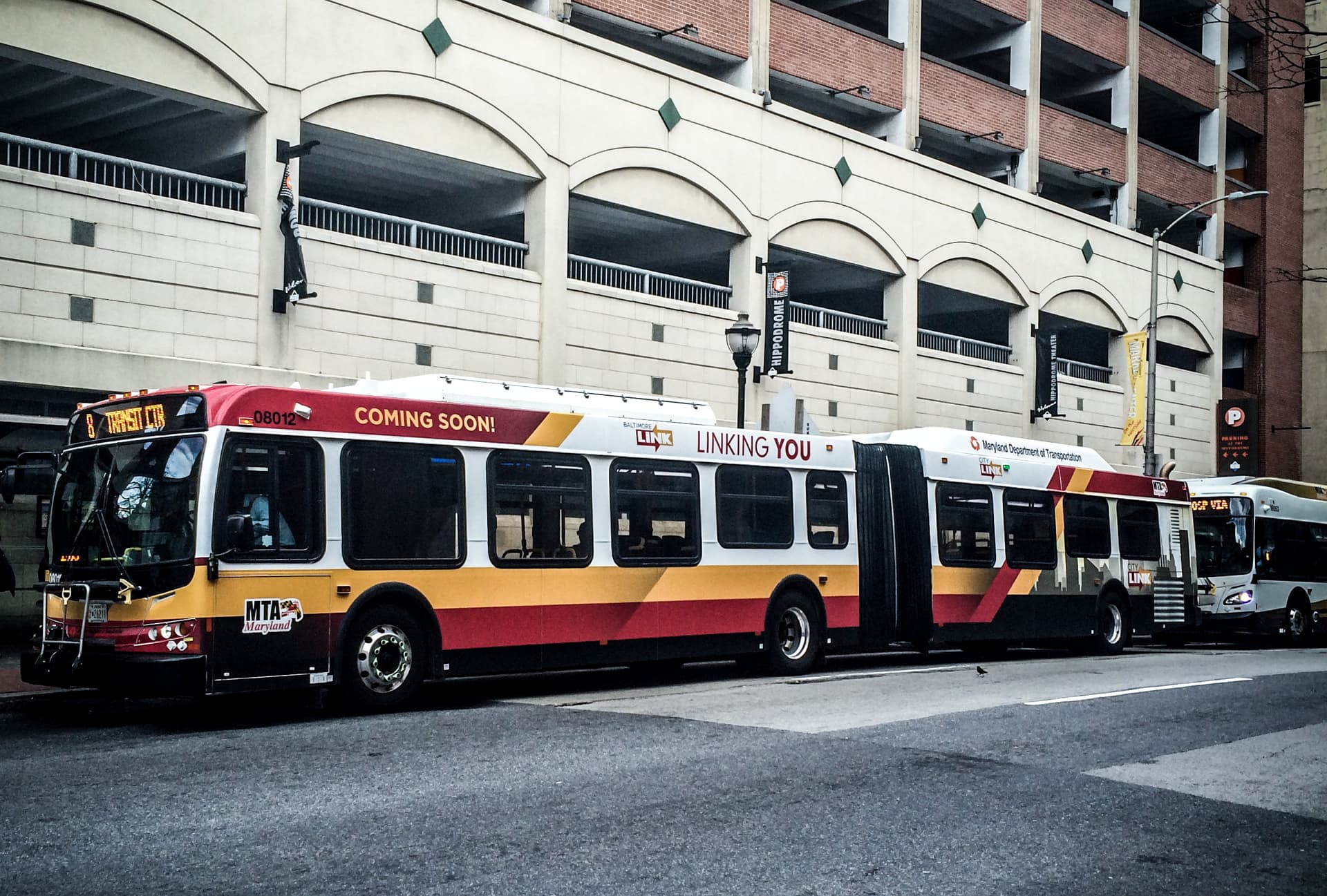
Baltimore could see local officials gain direct oversight of regional transit under a bill the Maryland General Assembly brought to a House Environment and Transportation Committee hearing on Thursday, Feb. 26, 2026. The proposal would create a nine-member oversight board for the Maryland Transit Administration focused on Baltimore-region transit and would establish a separate board charged with oversight of the MARC train and commuter bus program.
The bill’s text allocates board seats in part: “Of the four remaining seats, Baltimore’s mayor would appoint two, and the county executives for Baltimore and Anne Arundel counties would appoint the others,” while the total board would number nine members. The reporting around the measure does not list the full breakdown of all nine seats, leaving several appointing authorities unidentified in the public materials released at the hearing.
Fiscal authority would remain tied to Annapolis. The MTA gets its money from the state’s transportation trust fund, the same pot that funds the State Highway Administration and other transportation initiatives, and the proposal “doesn’t touch the money question” — an omission observers note is unsurprising in an election year when lawmakers are reluctant to propose changes that could be perceived as tax increases.
The push for a regional board is framed as a corrective to a 2015 decision that left Baltimore with little recourse when the Hogan administration canceled the east-west Red Line. “When former Gov. Larry Hogan canceled Baltimore’s east-west Red Line in 2015, it revealed a fatal fault in the city’s public transit system: One person held nearly all the power,” the bill’s supporters have argued, noting that the state had already spent hundreds of millions of taxpayer dollars on that project despite local and federal backing.

MTA leadership signaled support at a budget hearing earlier in the week. Administrator Holly Arnold said the proposed law would speed project delivery by exempting major projects from certain state procurement provisions and better protect the agency from lawsuits, and she added, “We’re committed to making sure we’re working closely with the boards and the General Assembly to make this work.”
Advocates pushing beyond governance say the change could be the first step toward a larger regional authority. Edelson described the proposal as “a step in that direction, and that creating a regional transit authority is the ’future that is staring us in the face.’” Supporters argue the new structure could change how budget decisions are made and lay groundwork for broader reforms.
Key details remain unresolved following the Feb. 26 hearing: the bill number and sponsor names were not released at committee, the full nine-seat appointment allocation and term limits were not specified, and the precise procurement exemptions and legal protections referenced by Administrator Arnold were not provided on the record. Lawmakers and MTA officials have indicated they will continue discussions as the measure moves through the General Assembly.
Know something we missed? Have a correction or additional information?
Submit a Tip