Antarctica talks in Hiroshima target emperor penguin protections, tourism limits
Japan’s Antarctica talks opened with emperor penguins downgraded to Endangered and 118,491 tourists testing whether the treaty system can still hold the line.
Antarctica’s treaty system opened its annual decision-making session in Hiroshima with two hard tests: whether emperor penguins deserve stronger legal protection after a fresh conservation downgrade, and whether tourism rules can keep pace with a continent drawing more than 118,000 visitors a year. The 48th Antarctic Treaty Consultative Meeting and 28th Meeting of the Committee for Environmental Protection run through May 21, bringing about 400 participants from nearly 50 countries, international organizations and research institutions to Japan for the third time, and the first time in 32 years since Kyoto in 1994.
The stakes are bigger than one meeting. The Antarctic Treaty, now backed by 58 parties, entered into force in 1961 after being signed on December 1, 1959. Its 1991 Environmental Protocol went further, designating Antarctica as a natural reserve devoted to peace and science and banning mineral resource activity except for research. That framework is now being asked to show whether it can still defend a remote commons as climate pressure and commercial access intensify.
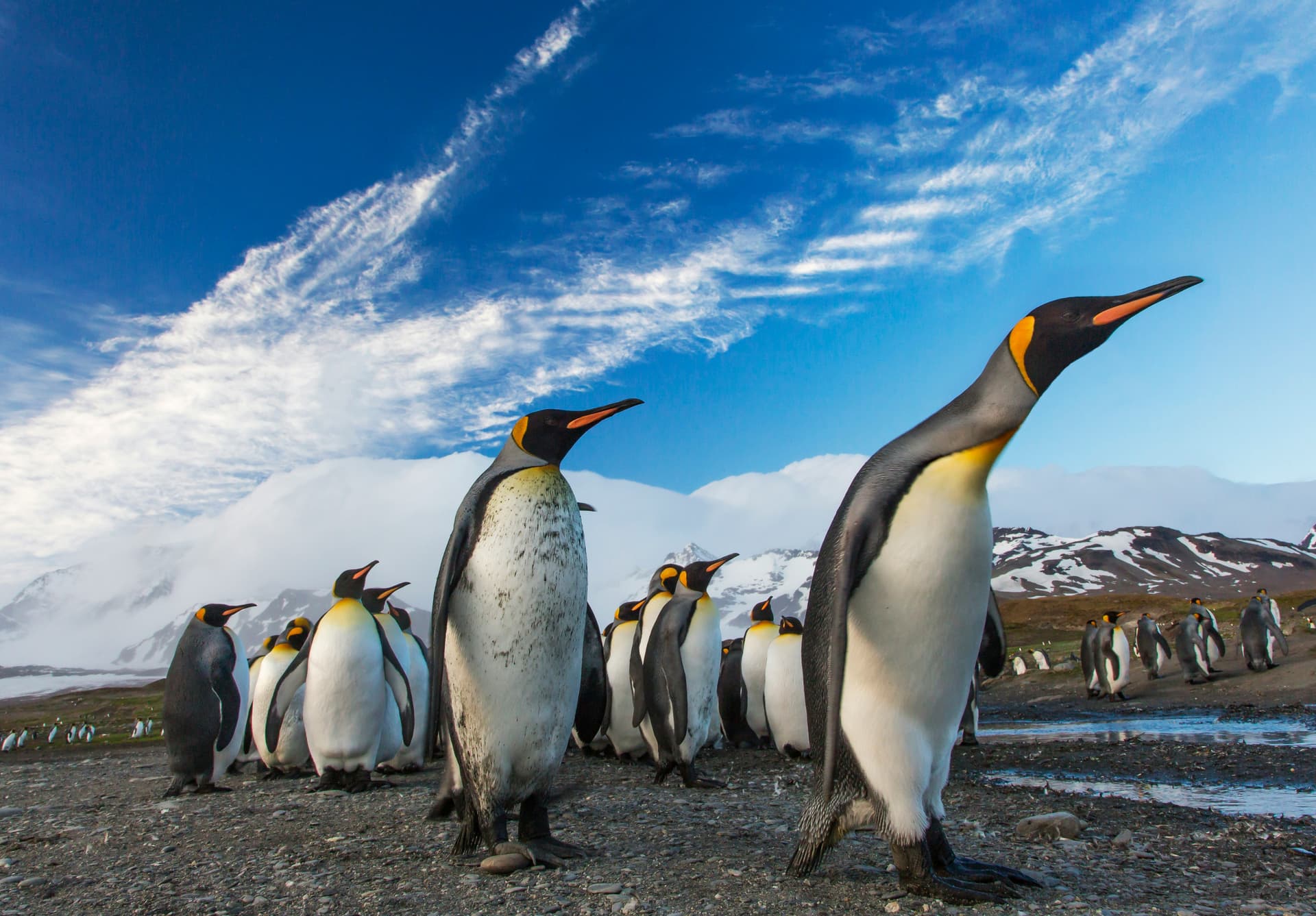
Emperor penguins have become the clearest symbol of that test. On April 9, the International Union for Conservation of Nature reclassified the species from Near Threatened to Endangered, warning that climate-change-driven sea-ice losses could halve the population by the 2080s. The group said satellite images show about a 10% decline between 2009 and 2018, equal to more than 20,000 adult penguins, with early sea-ice break-up and record-low sea ice since 2016 driving the drop. WWF and BirdLife International have urged governments to move quickly, including by designating emperor penguins as a Specially Protected Species under the treaty.
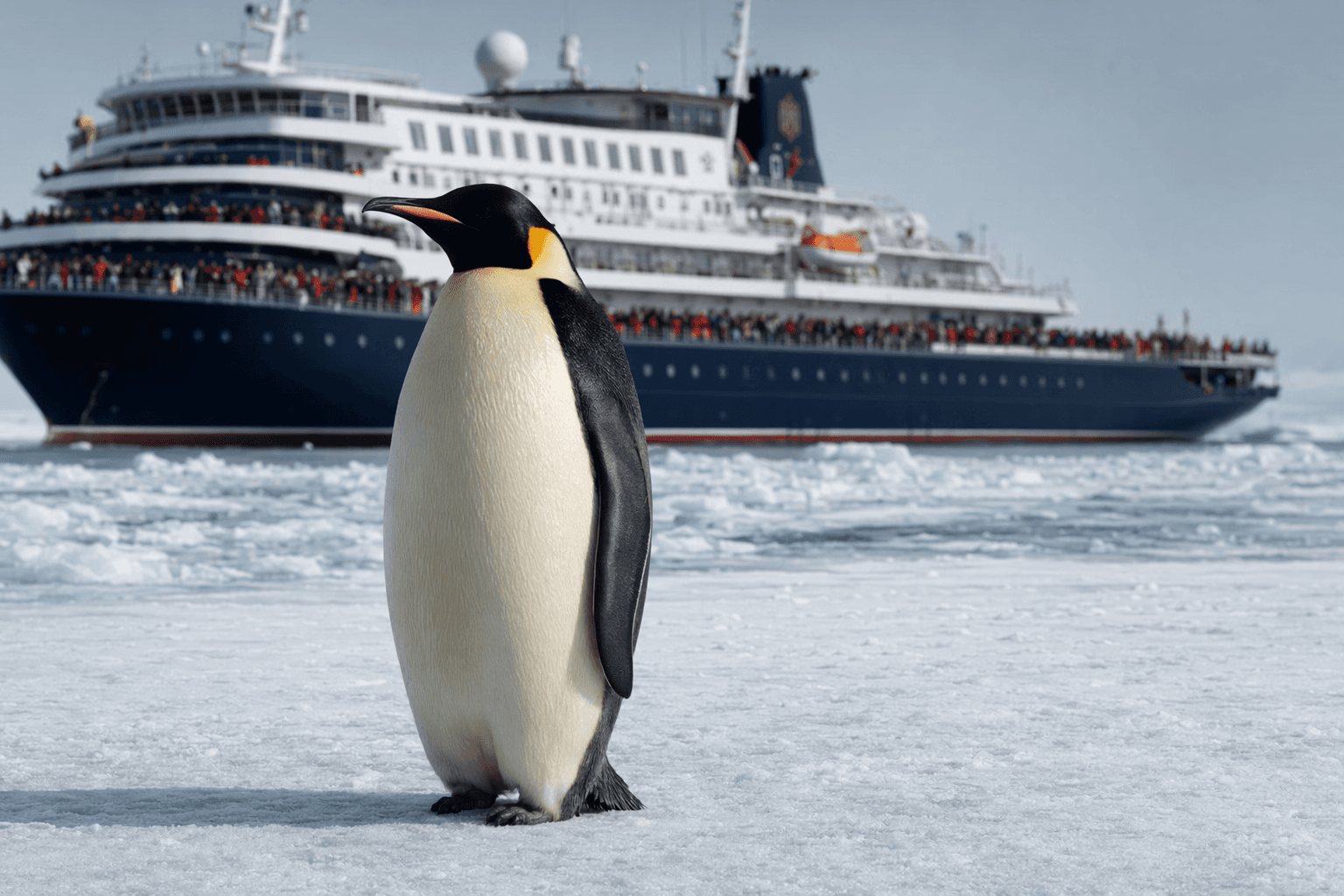
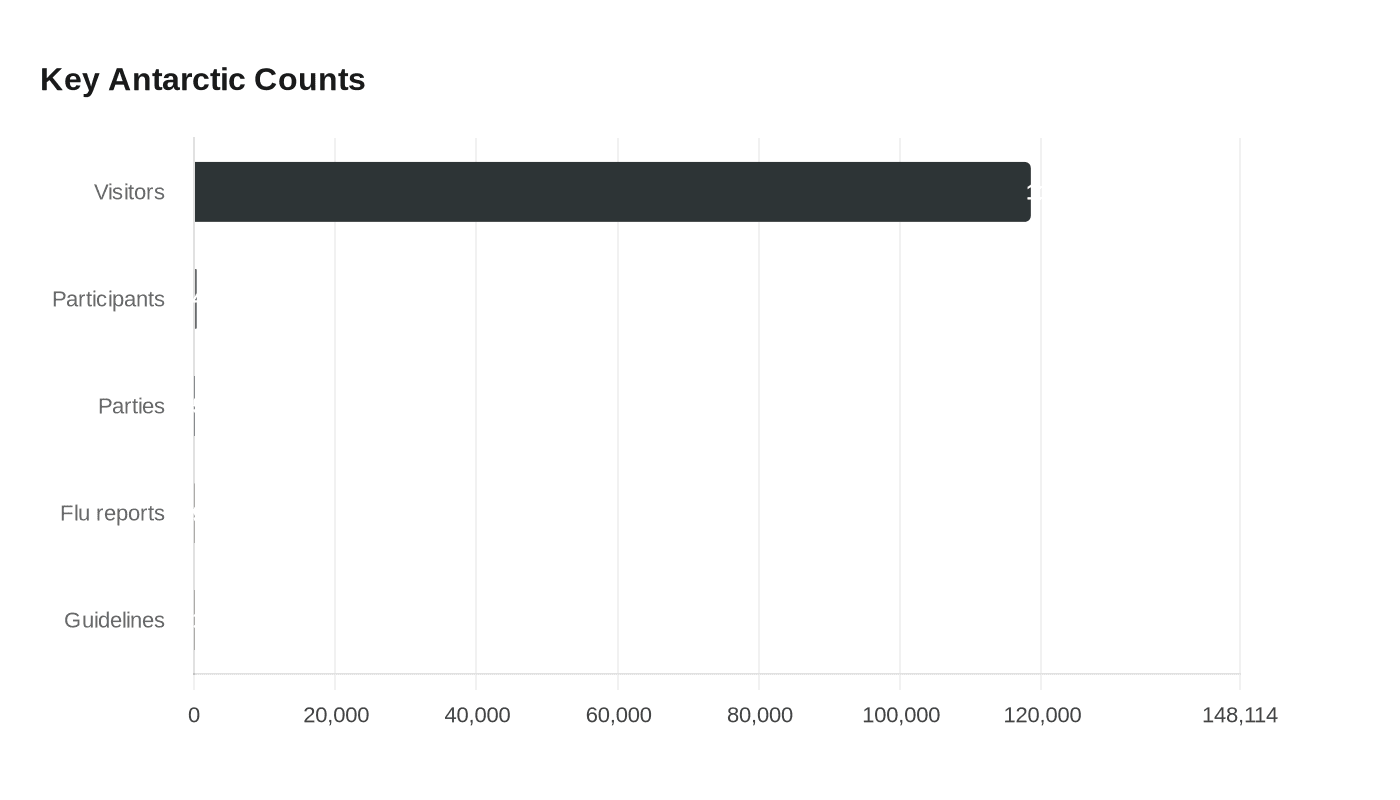
Tourism is the other pressure point. The International Association of Antarctica Tour Operators reported 118,491 visitors in the 2024-25 season, about 5% fewer than the year before, largely because one cruise-only operator did not sail. Landed passenger numbers were virtually unchanged, showing how resilient demand remains even as operators add controls. IAATO said it approved 19 new visitor-site guidelines after its April 2025 meeting in Cascais, Portugal, and it recorded 92 reports of potential avian-influenza cases during the season, underscoring the biosecurity risks that come with more traffic.
Japanese officials said the meeting is expected to draw roughly 400 people, including state ministers Ayano Kunimitsu and Kiyoto Tsuji, with Hideki Uyama serving as chair. IUCN said it will bring science-based expertise on climate impacts, protected areas, tourism and species conservation, while the treaty system continues to coordinate with the Commission for the Conservation of Antarctic Marine Living Resources on marine ecosystem protection. Decisions made in Hiroshima will help define whether Antarctica stays governed as a protected scientific reserve, or slips toward a future shaped more by commercial pressure than by conservation rules.
This article was produced by Prism’s automated news system from verified source data, official records, and press releases, then run through automated quality and moderation checks before publishing. The system is built and supervised by the people who set the standards it runs under. Read our full AI policy.
Did this article answer your question?