Starmer insists no Labour leadership contest has been triggered yet
Starmer kept his post for now, but Labour’s rules still let 20% of MPs force a challenge and put his authority under strain.
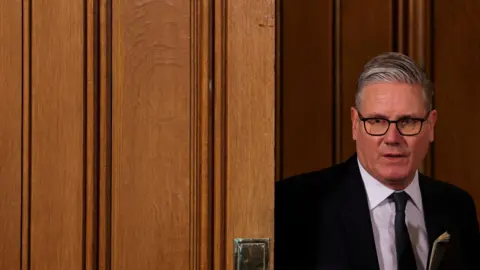
Keir Starmer told his Cabinet that no Labour leadership contest had been triggered and that he would not resign, even as four ministerial aides quit and more than 70 Labour MPs publicly urged him to go.
The immediate crisis is only partly about Starmer’s personal survival. It is about whether Labour can discipline a leader who is still in office, and how quickly the party can replace him if pressure hardens into a formal challenge. Starmer told ministers he would “get on with governing”, signalling that No 10 intends to treat the revolt as a political storm, not a constitutional break.
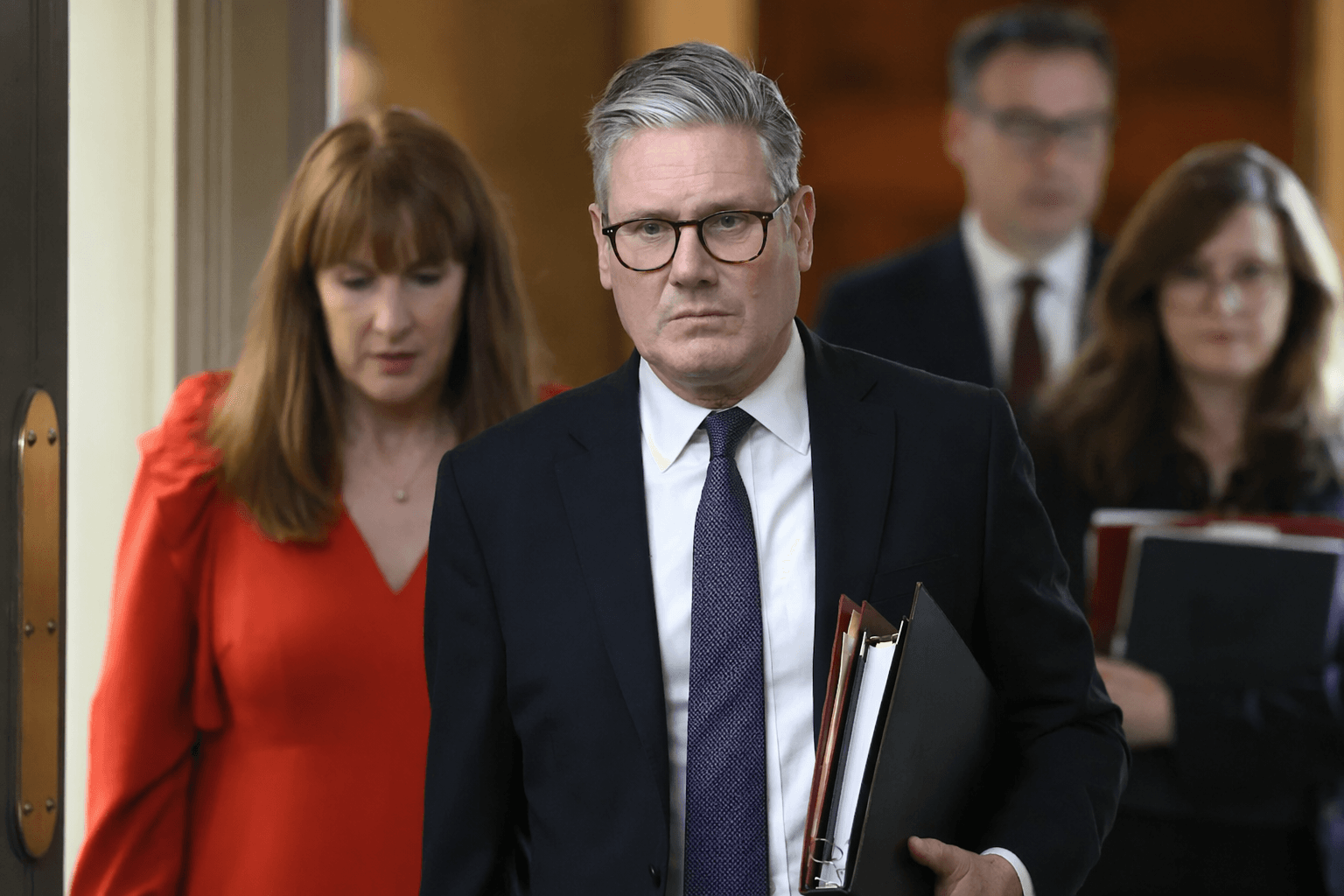
Under Labour’s current rules, a leadership election does not begin just because MPs are angry. An incumbent leader can be challenged only if he resigns or if nominations come from 20% of Labour MPs. The threshold was raised from 10% in 2021, making a putsch substantially harder to mount than it was under earlier rules.
That matters because it sets the bar for any would-be challenger. A leadership contest would not open automatically because ministers are unhappy or because backbenchers are briefing against the prime minister. A challenger has to gather enough support inside the Parliamentary Labour Party to clear the 20% line, and the party’s National Executive Committee controls the timetable and election procedures once the process begins.
The rules also set out what happens if a Labour prime minister leaves office while the party is still in government. In that case, the Cabinet, working with the NEC, appoints an interim party leader until a ballot can be organised. That mechanism is designed to stop a vacuum in government, but it also underlines how quickly authority can shift away from a sitting prime minister once the leadership becomes formally vacant.
For Starmer, the distinction between pressure and procedure is crucial. Reports that at least three Cabinet ministers privately suggested he should consider his position, along with Catherine West’s assertion that she would try to trigger a leadership contest if the Cabinet did not act, show that his authority is already being tested inside the top of government. Yet private unease is not enough on its own to force him out.
Labour has seen bruising leadership battles before, from Hugh Gaitskell to Neil Kinnock and Jeremy Corbyn, but successful direct challenges have remained rare. The current episode shows why: the party has built a higher threshold, a formal NEC timetable, and a clear line between criticism and a real bid to unseat a leader.
For now, Starmer remains in post. But the rules mean his reprieve is conditional, and the next test will be whether opponents can turn discontent in Westminster into the 20% of MPs needed to make his leadership genuinely vulnerable.
This article was produced by Prism’s automated news system from verified source data, official records, and press releases, then run through automated quality and moderation checks before publishing. The system is built and supervised by the people who set the standards it runs under. Read our full AI policy.
Did this article answer your question?


