Anthropic co-founder urges oversight of AI beyond tech companies
At the Vatican, Anthropic co-founder Chris Olah said AI cannot be left to tech firms alone as Pope Leo XIV warned the technology must be “disarmed.”
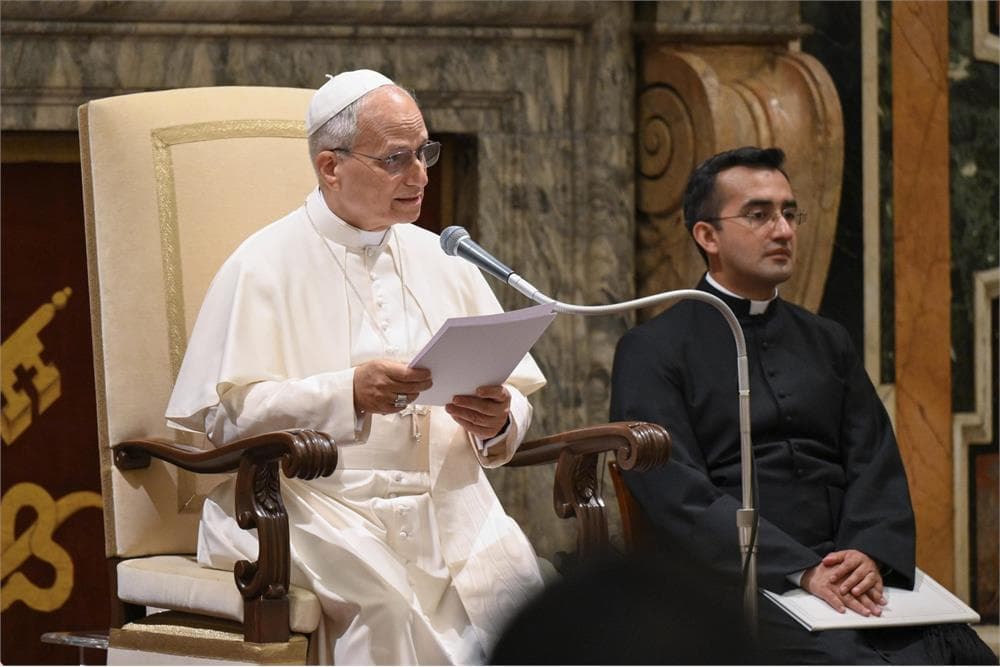
Christopher Olah took the stage in Vatican City and made the case that artificial intelligence cannot be left to technology companies alone, arguing that religious leaders, governments and civil society all have a role in steering the technology. The Anthropic co-founder’s appearance on May 25 put one of the leading voices in frontier AI inside a setting far removed from Silicon Valley, and far closer to a debate over labor, morality and power.
Olah spoke at the presentation of Pope Leo XIV’s first encyclical, Magnifica humanitas: On Safeguarding the Human Person in the Time of Artificial Intelligence, a document Vatican sources said was signed on May 15, the 135th anniversary of Rerum novarum. The presentation began at 11:30 a.m. in the Synod Hall and drew Pope Leo himself, an unusual gesture for a papal document launch, along with Cardinal Víctor Manuel Fernández, Cardinal Michael Czerny, theologian Anna Rowlands and theologian Leocadie Lushombo. Cardinal Secretary of State Pietro Parolin was set to deliver the closing remarks.
Pope Leo used the event to warn that AI must be “disarmed,” saying the technology could deepen inequality and weaken human relationships if it is not guided by ethical oversight. He also raised concerns about future generations and increasingly autonomous weapons systems. One account described the encyclical as 82 pages long and said the pope framed AI not only as a threat to work, but also to peace, critical thinking, truth and the risk of machines making weapons decisions with less human restraint.
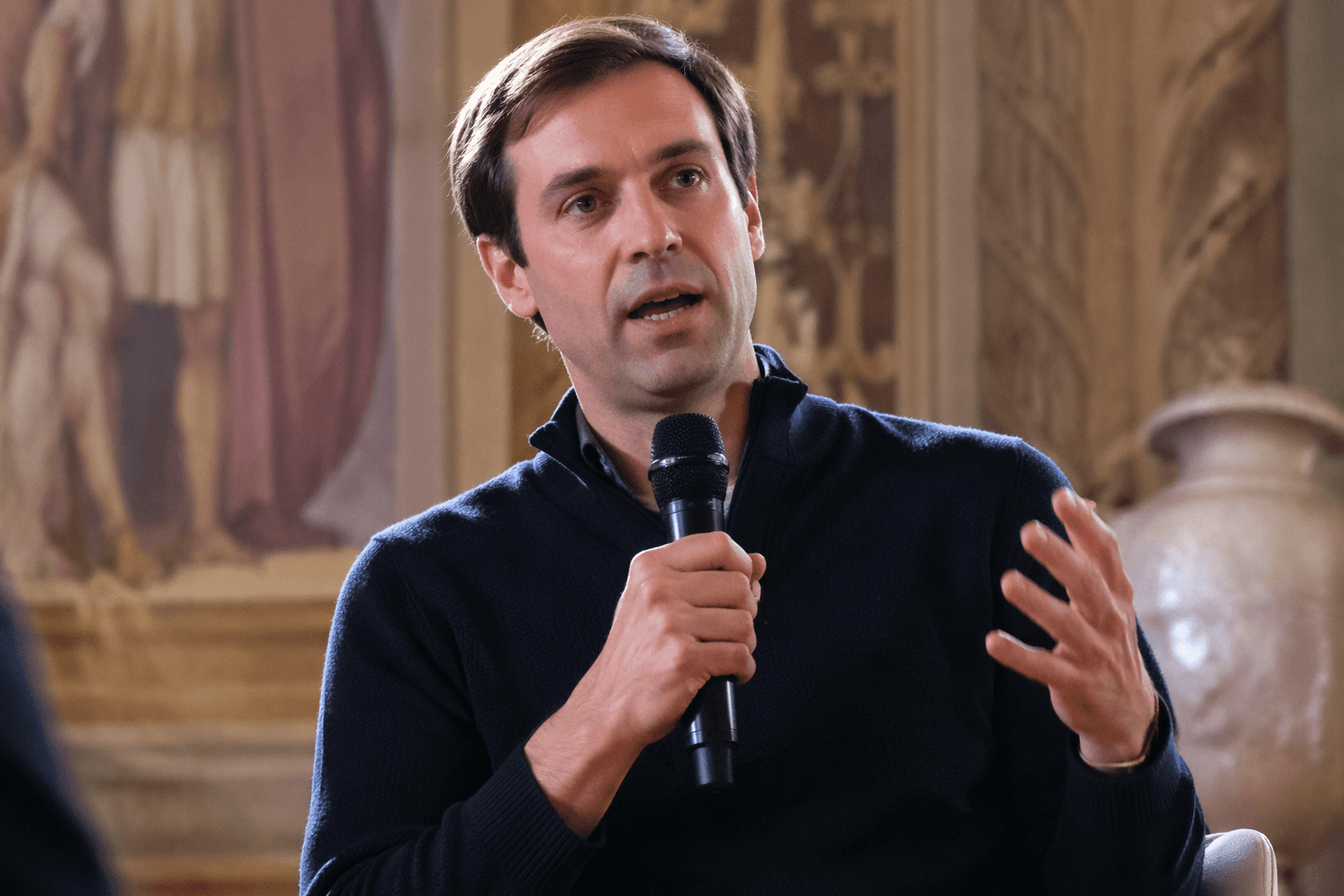
Olah, who Vatican News described as Anthropic’s co-founder and head of research on the interpretability of artificial intelligence, said there needed to be moral voices and critics outside the incentives of AI labs to keep the technology on track. He said there was a real possibility that AI could displace human labor at very large scale, putting job disruption at the center of the ethical argument around frontier models. He also urged religious communities, academics and governments to take the issue seriously before the technology advances further and its social effects become more visible.
The Vatican’s decision to put AI oversight inside an encyclical reflects how the debate has moved beyond engineers, investors and regulators. Some observers questioned whether a major AI company should be represented at the event, and one Vatican-linked account noted that Anthropic has recently had tensions with the Trump administration over limits on military use of its software. Yet Pope Leo publicly thanked Olah and said the exchange reflected confidence that humanity can discern the major questions of the age together, signaling that the struggle over AI governance is now being framed as a contest over human dignity as much as technical control.
This article was produced by Prism’s automated news system from verified source data, official records, and press releases, then run through automated quality and moderation checks before publishing. The system is built and supervised by the people who set the standards it runs under. Read our full AI policy.
Know something we missed? Have a correction or additional information?
Submit a Tip