Britain sanctions Russia-linked crypto networks to curb war financing
Britain hit a Russia-linked crypto web with 18 new sanctions, targeting the A7 network, HTX and intermediaries used to move money around existing restrictions.

Britain moved against a Russia-linked crypto and banking web on Tuesday, widening its sanctions campaign to the digital channels that Moscow has used to route money, buy goods and keep war financing flowing. The package froze assets and barred UK firms from processing payments or maintaining correspondent banking ties with the targeted networks.
The government said the action covered 18 new sanctions designations and aimed at crypto and illicit finance networks exploited by Russia to circumvent UK sanctions. The Foreign, Commonwealth and Development Office said the Kremlin-backed A7 network was designed to bypass Western restrictions, finance military procurement and process funds from oil sales. It said the network claimed to have moved more than $90 billion last year, a figure that puts the scale of the evasion problem in stark relief.
The list reached beyond one exchange or one jurisdiction. It included Huobi Global S.A., better known as HTX, as well as a Kyrgyz bank, firms registered in Georgia and the United Arab Emirates, and individuals linked to the network. Britain said HTX provided funds, resources, goods or technology to people and entities in Russia’s financial sector. A spokesperson for HTX said regulatory compliance was its absolute top priority and that the company monitors and follows regulatory frameworks in every jurisdiction where it operates.
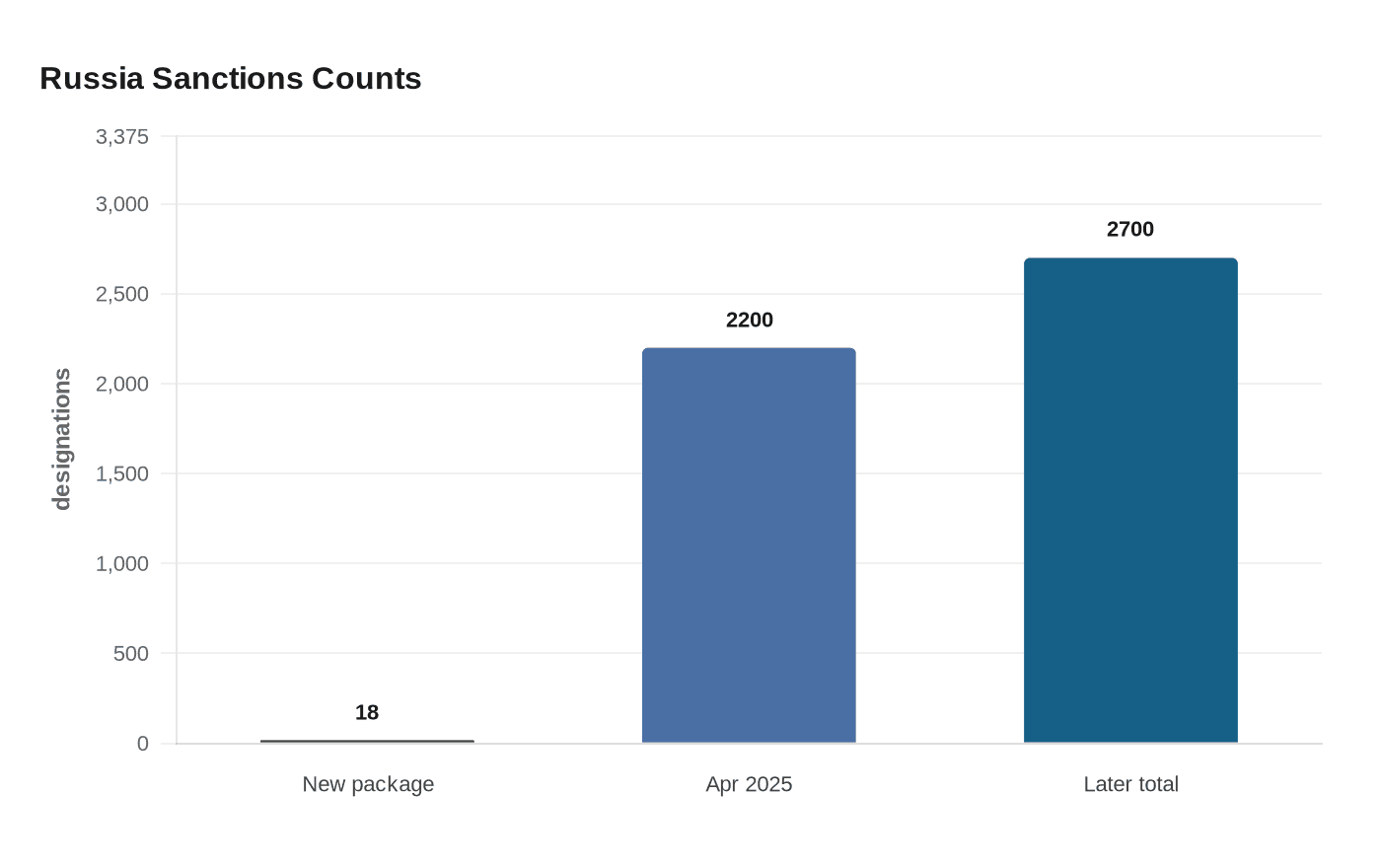
The move builds on a longer campaign against sanctions bypass routes. In August 2025, Britain targeted Kyrgyz financial systems and crypto networks that it said were being used to evade restrictions, including Kyrgyzstan-based Capital Bank and its director, Kantemir Chalbayev. That same round hit Grinex and Meer, exchanges tied to the A7A5 ruble-backed token. The government has said it had designated over 2,200 individuals and entities under the Russia regime as of April 2025, and later said the total had climbed past 2,700.
HTX was already on the UK radar. The Financial Conduct Authority began legal proceedings against the exchange on February 10, 2026, saying it had unlawfully promoted cryptoasset services to British consumers through TikTok, X, Facebook, Instagram and YouTube. The regulator said it asked social platforms to block HTX accounts and app stores to remove HTX applications in the UK. It was the first time the FCA took enforcement action against a crypto firm for illegally marketing products to UK consumers.
The latest sanctions show how Britain is trying to keep pace with a sanctions-evasion economy that now runs through exchanges, banks and payment intermediaries rather than only through traditional shell companies. The UK Sanctions List is now the only live source for designations, replacing the closed OFSI consolidated list, as enforcement shifts toward faster and more visible pressure on the networks that carry Russia’s money.
This article was produced by Prism’s automated news system from verified source data, official records, and press releases, then run through automated quality and moderation checks before publishing. The system is built and supervised by the people who set the standards it runs under. Read our full AI policy.
Know something we missed? Have a correction or additional information?
Submit a Tip