Anthropic loosens Mythos cyber rules, allows threat sharing
Anthropic is letting Mythos partners share cyber-threat findings after the model found thousands of high-severity vulnerabilities in major operating systems and browsers.

Anthropic has reversed course on one of its most tightly guarded cyber programs, saying users of its Mythos cybersecurity model can now share threat information with others facing similar weaknesses. The move marks a notable shift for a system designed to uncover software flaws without widening the attack surface, and it reflects a growing belief inside the company that faster defensive disclosure can matter more than strict secrecy.
Mythos sits inside Project Glasswing, Anthropic’s controlled program for defensive cybersecurity work. Launch partners include Amazon Web Services, Apple, Broadcom, Cisco, CrowdStrike, Google, JPMorganChase, the Linux Foundation, Microsoft, NVIDIA and Palo Alto Networks. Anthropic says Claude Mythos Preview has already found thousands of high-severity vulnerabilities, including some in every major operating system and web browser. The company has also extended access to more than 40 additional organizations that build or maintain critical software infrastructure.
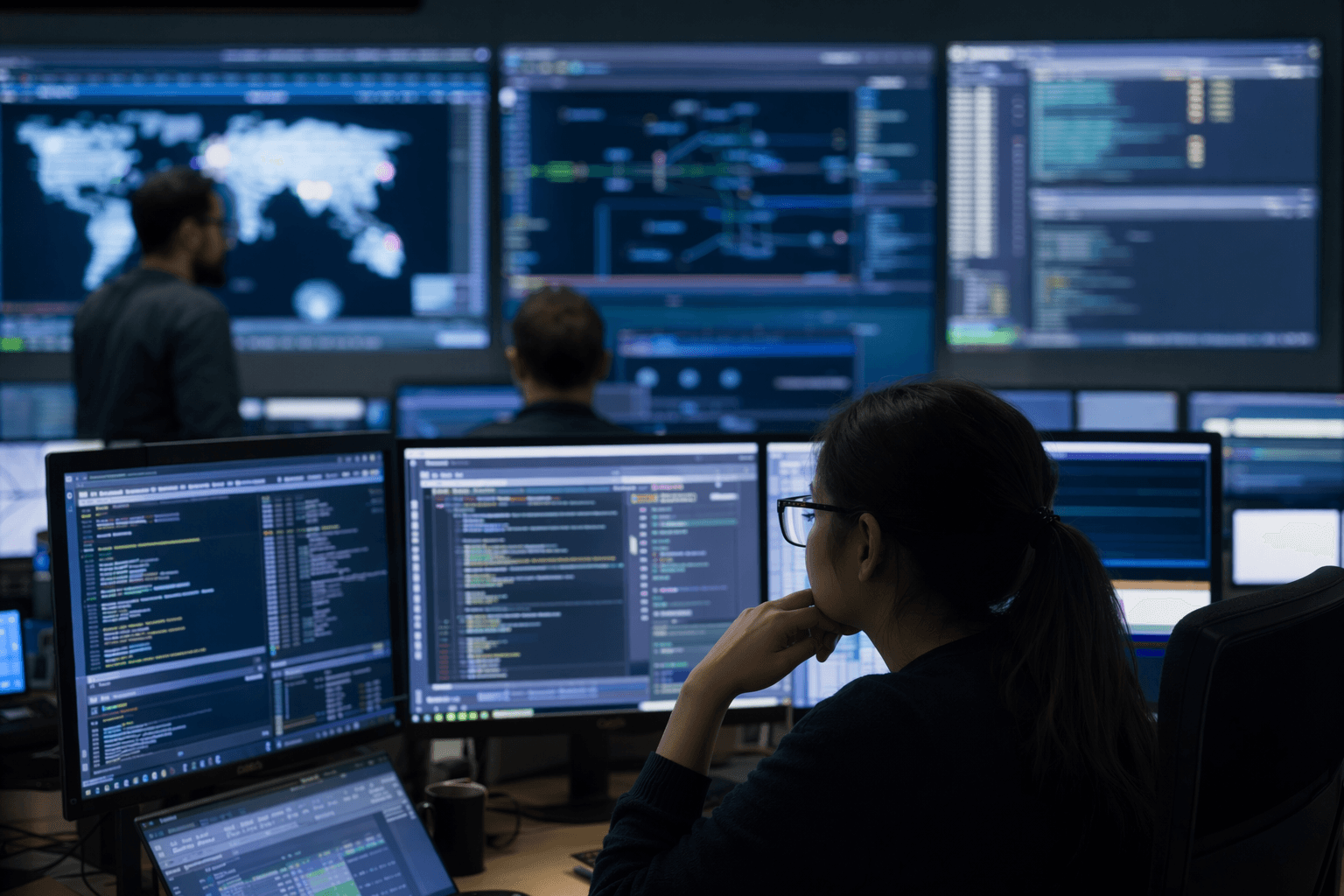
Under the revised policy, partners can generally say they are part of Glasswing and, at their own discretion, share findings, best practices, tools or code created through the program. That matters for the companies and defenders trying to patch exposed systems before adversaries exploit them. It also gives security teams a faster path from discovery to remediation, especially as Anthropic and its partners say the window between finding a flaw and seeing it used in the wild has narrowed sharply.
The shift comes as regulators and financial officials are treating Mythos as more than a narrow product issue. Anthropic has been briefing finance authorities and central banks on the risks the model has identified, a sign that the company views the issue as a financial-stability concern as well as a cybersecurity one. On May 18, Anthropic said it will discuss Mythos with the Financial Stability Board, the global watchdog that brings together finance ministries, regulators and central banks from G20 economies.
Warnings have intensified around the model’s capabilities. Bank of England Governor Andrew Bailey said at Columbia University in New York on April 14 that regulators needed to quickly understand the implications of Anthropic’s system, warning it could “crack the whole cyber risk world open.” Reuters also reported that top U.S. bank executives met with Federal Reserve Chair Jerome Powell and Treasury Secretary Scott Bessent to weigh the implications, and that Anthropic has held discussions with the U.S. government despite a White House decree in February terminating all contracts with the company.
Anthropic is still keeping Mythos tightly controlled. The model remains limited to selected organizations, and its power to identify weaknesses and devise ways to exploit them is exactly why the company had been so cautious. The new disclosure rules open the door to broader defensive coordination, but they also leave in place the central tension that now defines AI security: the same information that helps defenders patch systems faster can also spread beyond the audience it was meant to protect.
Know something we missed? Have a correction or additional information?
Submit a Tip