Jury rules for OpenAI in Musk lawsuit, clearing IPO path
A nine-person jury said Elon Musk sued OpenAI too late, clearing a path for a possible $1 trillion IPO and deepening his legal setbacks.
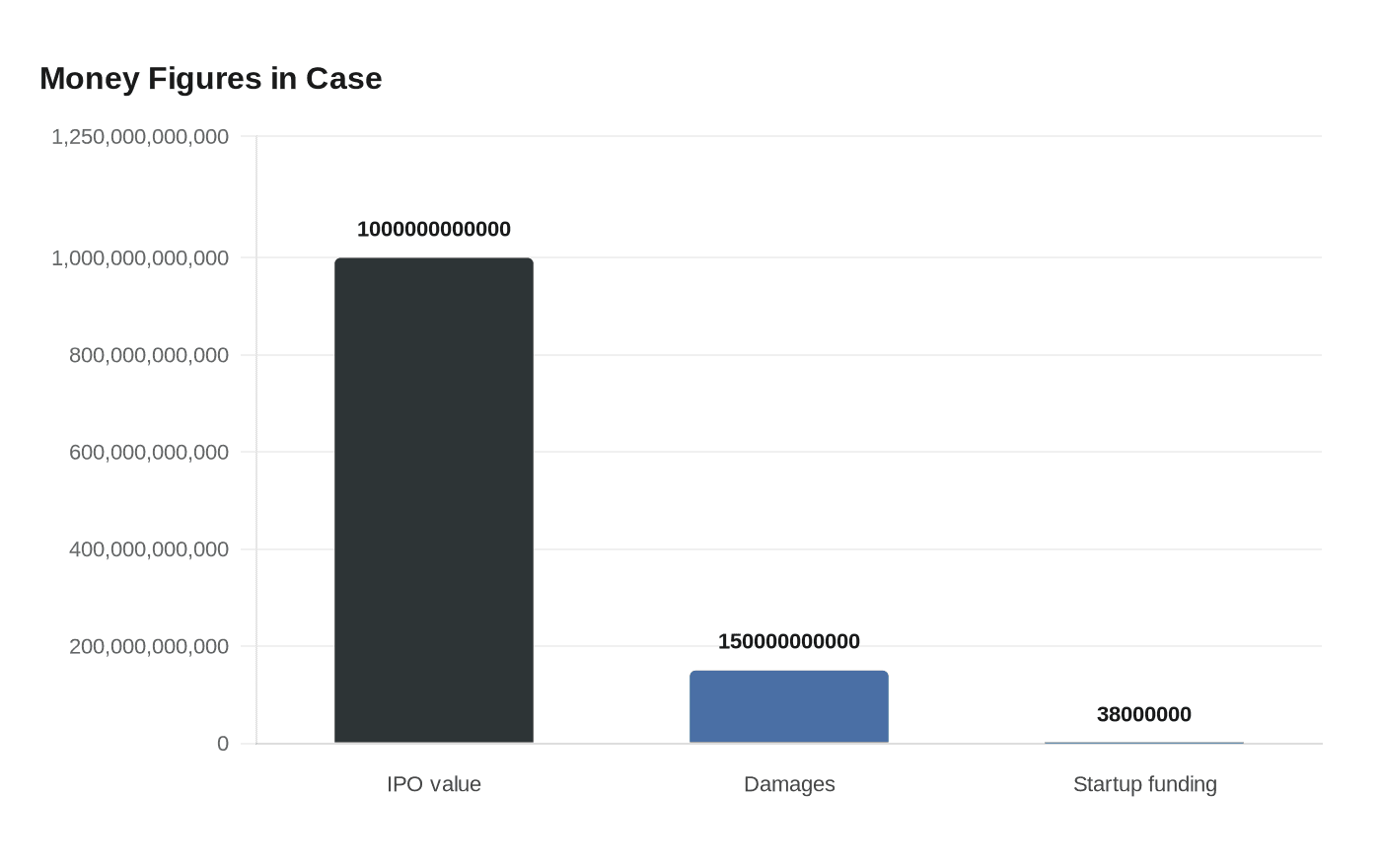
Elon Musk’s lawsuit against OpenAI collapsed in Oakland, where a nine-person federal jury unanimously found that he filed too late and that the company was not legally liable for straying from its original mission. The verdict removed a major obstacle for OpenAI as it pursues a possible initial public offering that could value the company at as much as $1 trillion, and it marked another setback in Musk’s escalating campaign over who controls artificial intelligence.
The jury deliberated for less than two hours after a three-week trial. Judge Yvonne Gonzalez Rogers accepted the panel’s finding and said Musk would face an uphill battle on appeal because the timing issue was factual and backed by substantial evidence. Musk said he would appeal, arguing on X that the case turned on a “calendar technicality” and warning that the ruling set a precedent that could let people “loot charities.” He also said the decision created a destructive precedent for charitable giving.
Musk filed the case in 2024, accusing OpenAI, chief executive Sam Altman and president Greg Brockman of betraying the nonprofit mission he says was agreed when the company launched in 2015. He sought $150 billion in damages, asked for Altman’s removal from the board and pressed for a court order to keep OpenAI as a nonprofit dedicated to humanity’s benefit. Musk also alleged he was induced to give $38 million to help get the startup off the ground before OpenAI later attached a for-profit business and took in tens of billions of dollars from Microsoft and other investors.
The dispute has turned into a broader test of OpenAI’s ability to convert its early nonprofit structure into a public-market business. OpenAI set up a for-profit arm in 2019, after Musk left the board in 2018. OpenAI and Microsoft have since renegotiated their exclusive licensing agreement, allowing OpenAI to strike deals with other tech firms, and Microsoft chief executive Satya Nadella testified during the trial.
For Musk, the ruling adds to the legal attrition surrounding his challenge to OpenAI’s direction. For OpenAI and its backers, it removes a serious courtroom threat just as the company moves closer to the public markets. The case leaves Musk still arguing that OpenAI has abandoned its founding promise, but with a jury and a judge now saying the law will not give him the leverage he sought.
Know something we missed? Have a correction or additional information?
Submit a Tip

