Anthropic sued by University of Tennessee over neural network patents
University of Tennessee’s research arm accused Anthropic of infringing two neural-network patents, adding patent risk to a company already facing a $1.5 billion copyright settlement.
The University of Tennessee Research Foundation sued Anthropic in Delaware federal court, accusing the AI company of infringing two patents tied to neural networks inspired by the human brain. The suit seeks damages and an injunction, and it lands as Anthropic faces its first known patent infringement case.
The filing matters because it pushes the AI legal fight beyond the copyright and data-use disputes that have dominated the industry. Patent claims cut deeper: they can target specific technical methods, training approaches or implementations, not just the text and images used to build a model. If the University of Tennessee’s claims hold, the case could force AI developers to treat parts of model design as licensable inventions, raising the cost of building and shipping systems at scale.
Anthropic has become one of the most visible startups in the race to build large language models and enterprise AI products, which makes the patent case more than a narrow dispute over academic intellectual property. The company was also hit by a separate legal blow just as the patent case surfaced, when a federal judge approved its $1.5 billion copyright settlement with authors over the training of its Claude model. That settlement was described as the largest known of its kind and underscored how quickly legal exposure can accumulate for the leading AI firms.
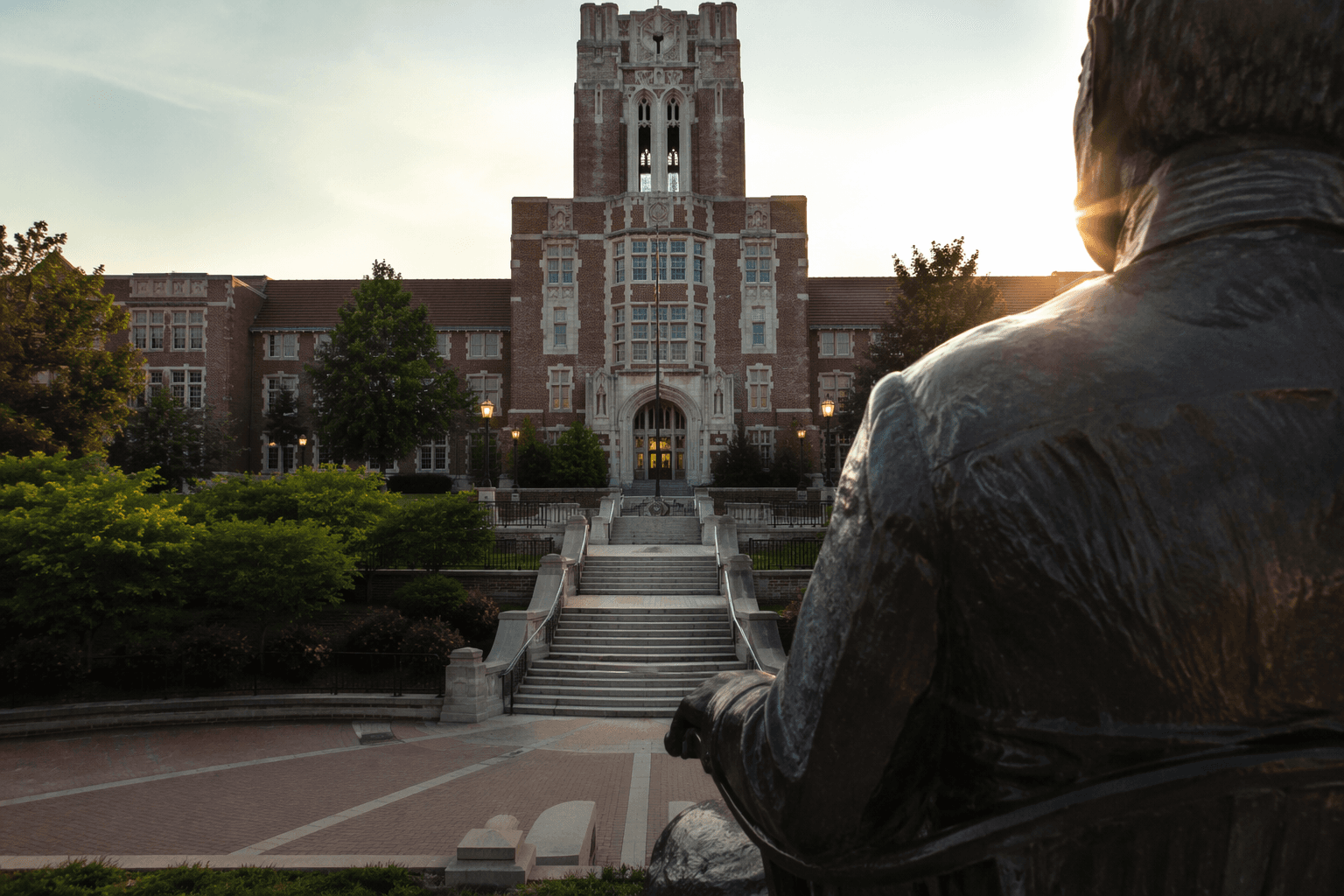
The University of Tennessee Research Foundation, the nonprofit that licenses the university’s intellectual property, gives the case institutional weight. The foundation ranked No. 71 on the National Academy of Inventors’ Top 100 U.S. Universities Granted Utility Patents in 2024, and its patents page lists at least one U.S. patent issued in fiscal 2021, patent number 10,722,662. That track record suggests the university system is prepared to press claims that academic research has commercial value well beyond the lab.
For the broader AI market, the dispute points to a more adversarial phase in which competition will be shaped not only by compute, talent and product speed, but also by who owns foundational techniques. If patent holders begin winning these cases, developers may face more licensing deals, more pre-launch legal review and more pressure to negotiate cross-licenses before product rollout. For investors and partners, the message is that the legal bill attached to frontier AI is no longer limited to copyright.
This article was produced by Prism’s automated news system from verified source data, official records, and press releases, then run through automated quality and moderation checks before publishing. The system is built and supervised by the people who set the standards it runs under. Read our full AI policy.
Did this article answer your question?