Anti-immigrant violence in South Africa drives migrants into hiding
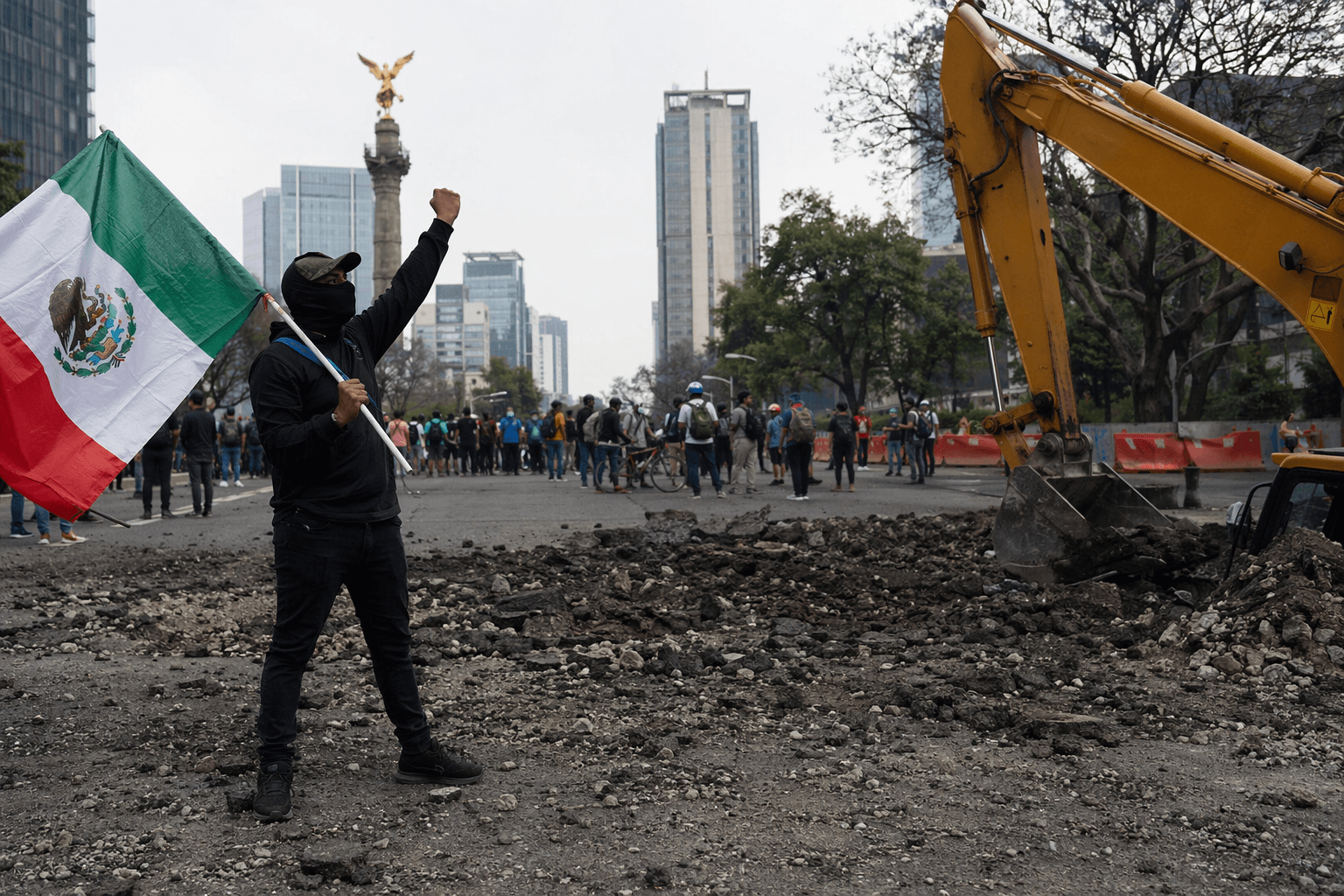
Migrants in Kleinmond hid in town halls and dunes as anti-immigrant protests spread across South Africa’s Western Cape, with Mozambique reporting five dead and families fleeing home.

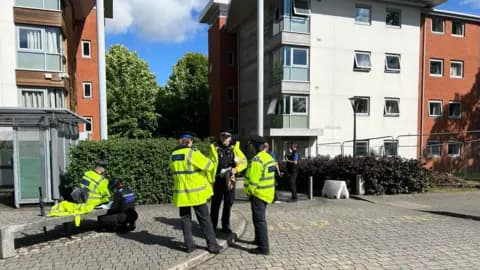
Migrants from Mozambique and Malawi have been forced into town halls, mountains and beach dunes across South Africa’s Western Cape as anti-immigrant protests turned violent and local protection proved thin. In Kleinmond, Lado Amido said an angry crowd came to his door and ordered foreigners to leave. He said the message spread door to door, sending him running into the mountains for two nights before he reached the Kleinmond community hall with other displaced migrants.
The hall had become a refuge for more than 50 immigrants, while a separate account put the number sheltering there at about 100. In the same coastal town, about 500 people gathered to protest on Sunday morning, and a local councillor said some women and children were still hiding in dunes near the beach. Amido, who had been in South Africa since February looking for work, said his belongings were taken from his home on the 31st, showing how quickly intimidation has become both a physical threat and a material loss.
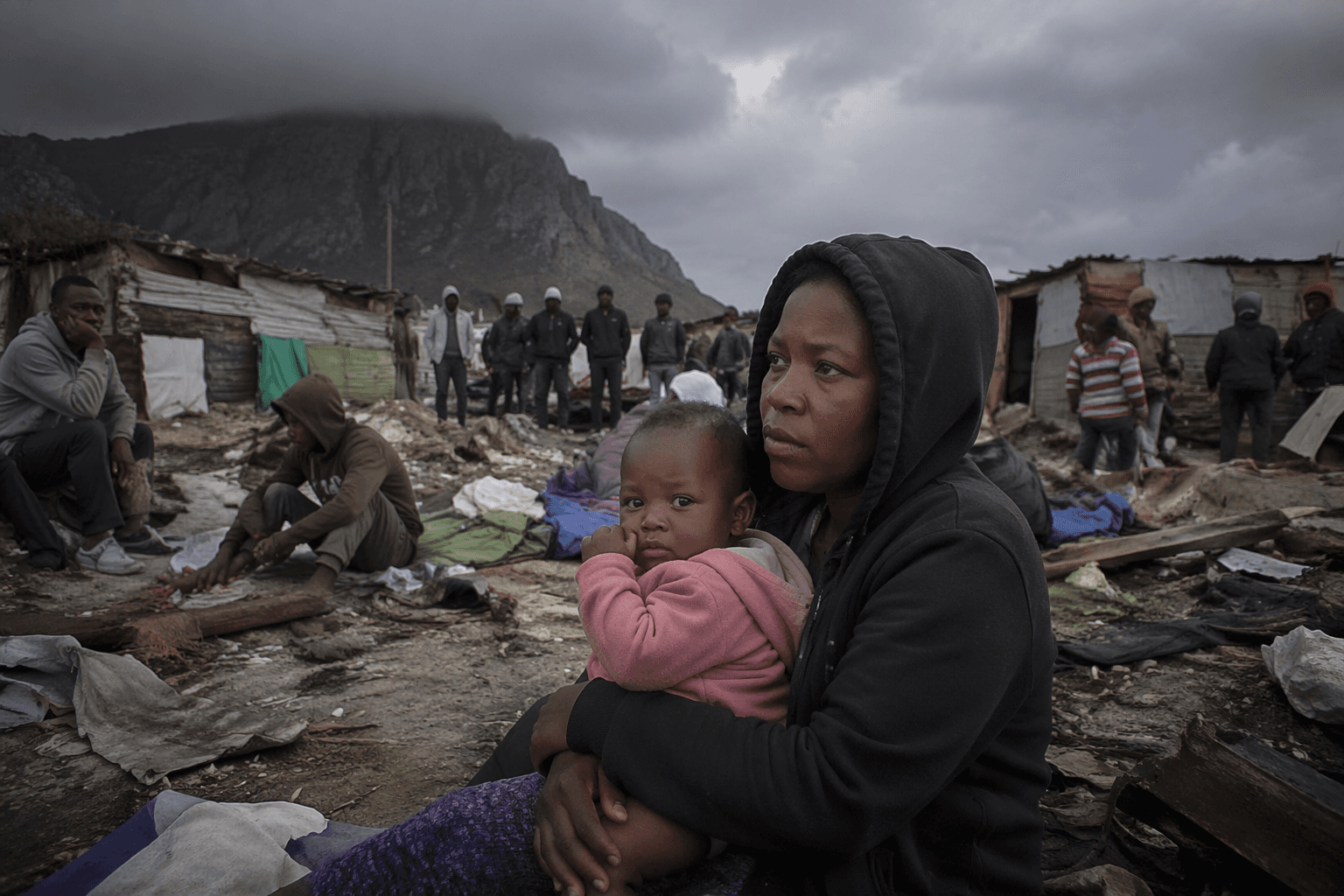
The violence has widened beyond Kleinmond. Mozambique said five of its citizens were killed in xenophobic attacks in Mossel Bay over the weekend, while South African police confirmed only two Mozambican deaths there, aged 27 and 43. SAPS said the killings involved an informal settlement and that about 300 people had decided to return home. For Mozambique, the toll has turned a local outbreak into a diplomatic problem, with pressure mounting on South African authorities to prevent more deaths and protect foreign residents.
Human Rights Watch said South Africa’s unemployment rate was over 43 percent and warned that xenophobic attacks have recurred since 2008, when 62 people were killed, with further waves in 2015, 2019 and 2021-2022. It said vigilantes intensified attacks in April and May 2026 and pointed to March and March as a citizen-led movement pushing harder immigration enforcement. That pattern has left migrants vulnerable to mob pressure, weak local response and a political climate that too often frames foreigners as the cause of economic strain.
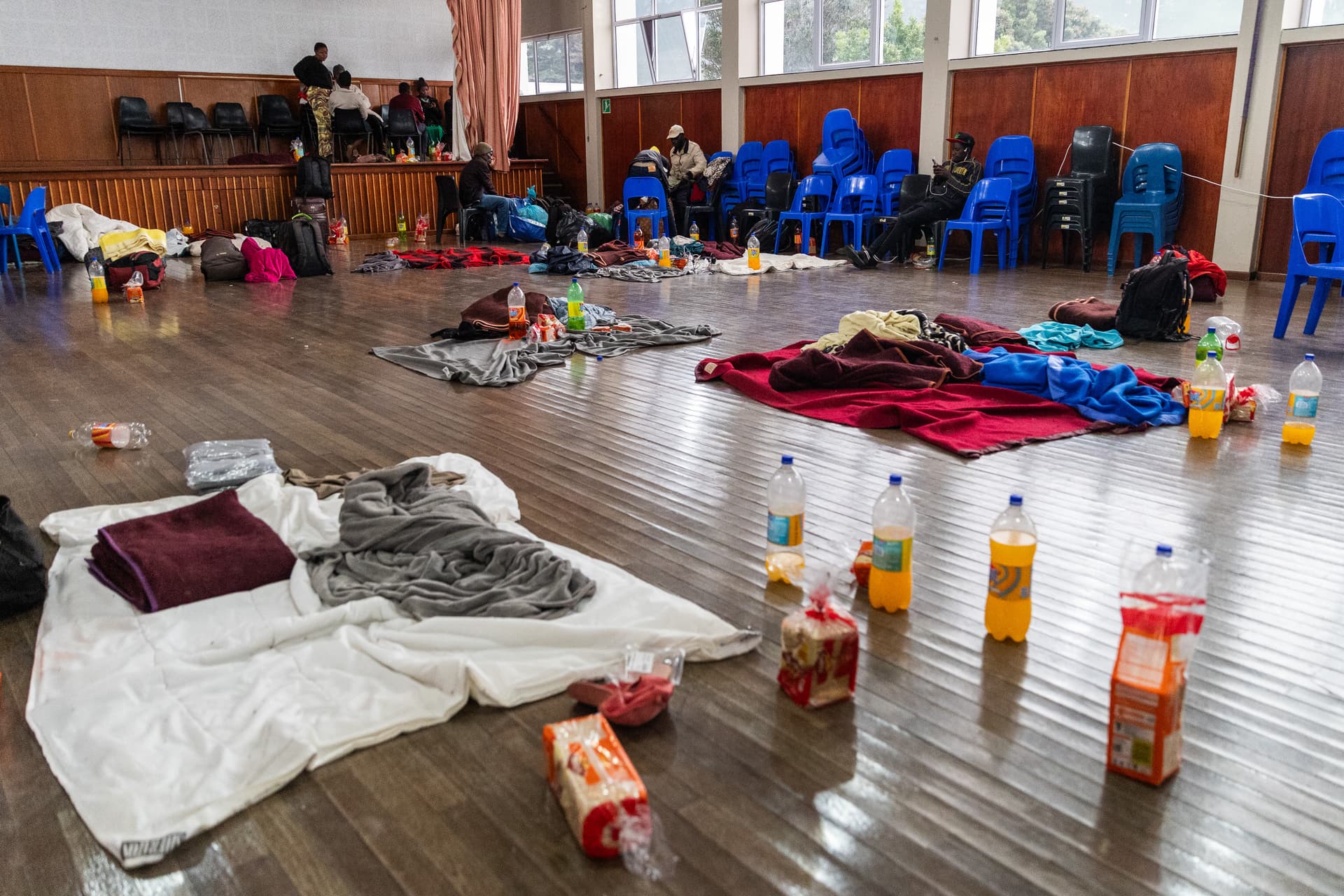
The crisis has also taken on a regional dimension. Mozambique said about 300 of its nationals had already chosen to return home, and some of those sheltering in Kleinmond were waiting for voluntary repatriation arrangements. In Pretoria, President Cyril Ramaphosa said South Africa would send envoys to African countries and around the world after talks with Kenyan President William Ruto. For migrants on the coast, however, the promise of diplomacy comes after the immediate shock of being driven from their homes, their jobs and, in some cases, their country’s last line of hope.
This article was produced by Prism’s automated news system from verified source data, official records, and press releases, then run through automated quality and moderation checks before publishing. The system is built and supervised by the people who set the standards it runs under. Read our full AI policy.
Know something we missed? Have a correction or additional information?
Submit a Tip