Protests and construction disrupt Mexico City before World Cup kickoff
Protests, road closures and rushed construction turned Mexico City’s World Cup buildup into a civic stress test, days before the June 11 opener at Estadio Azteca.
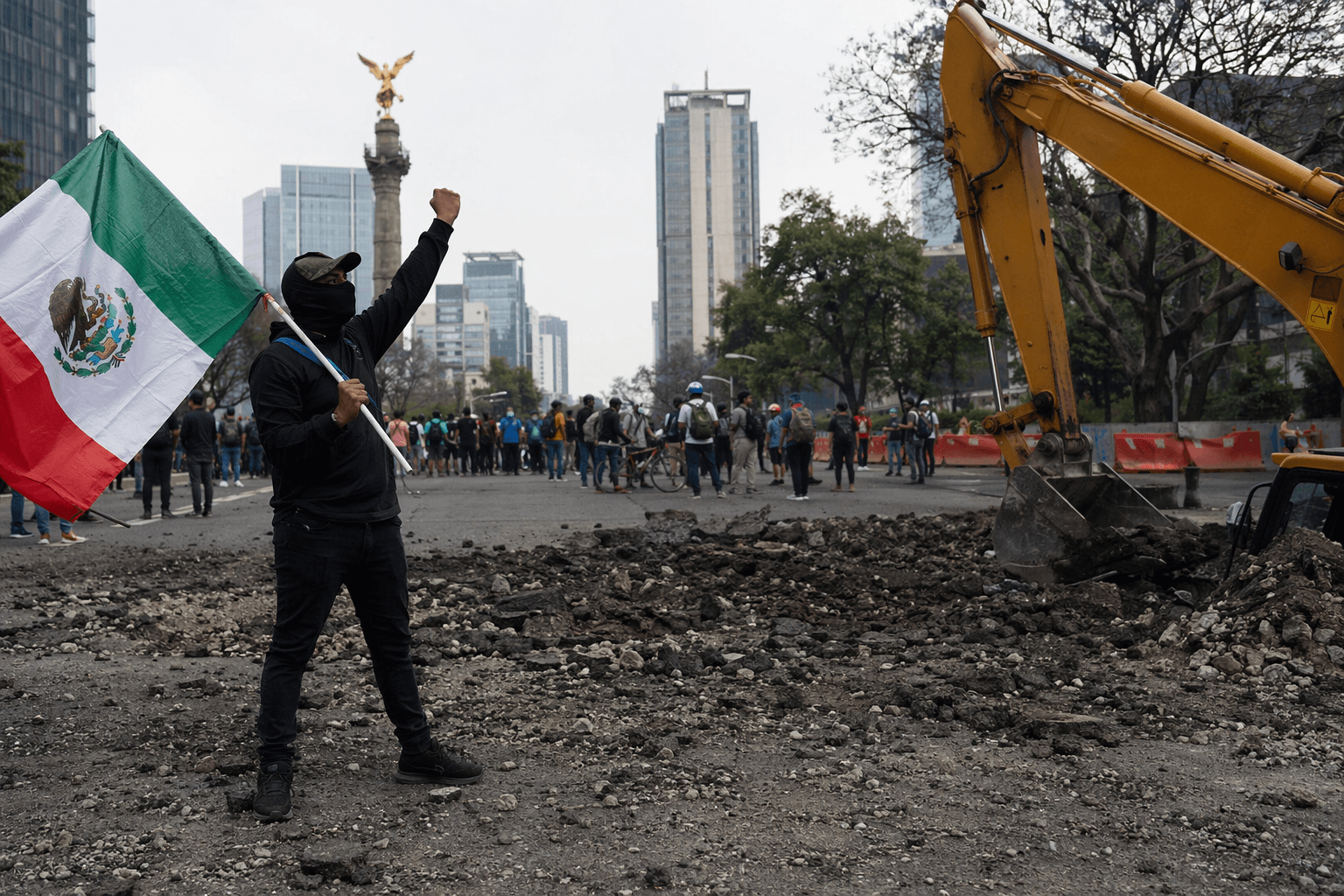
Protesters and construction crews pushed Mexico City into disruption just as the capital prepared for its World Cup spotlight, with road closures, traffic bottlenecks and last-minute work adding strain to a city already bracing for the June 11 opening match at Estadio Azteca.
The opening fixture will make Estadio Azteca the first stadium to host three World Cup opening matches. FIFA has said the 2026 tournament will stretch across 104 matches in 16 host cities in three countries, but in Mexico City the buildup has already exposed the civic cost of hosting a mega-event.
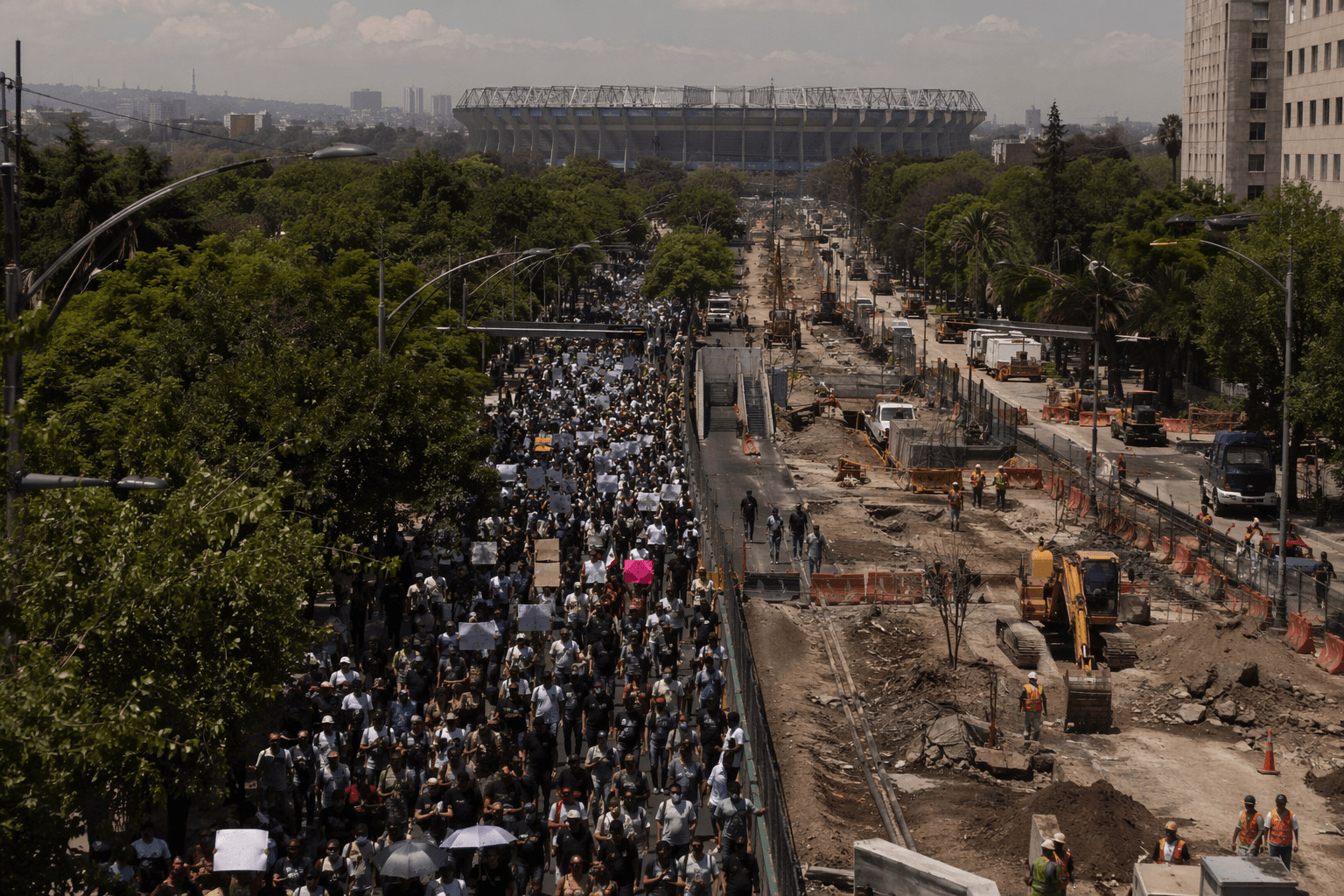
At the center of the unrest were dissident teachers from CNTE, the rebellious wing of Mexico’s national teachers’ union, who rejected a 9% salary increase from the government of Claudia Sheinbaum. Their demands went further, calling for better wages, stronger pensions and the repeal of a 2007 pension and social security reform they say was never meaningfully addressed.
The teachers wanted a 100% salary increase, and their leaders warned that protests, blockades and even a national strike could escalate during the World Cup if their grievances were ignored. The dispute carried a clear political edge: the teachers argued that repeated promises had not turned into action, and that the government had failed to deliver on a long-standing pledge to undo the pension overhaul.
Demonstrations spread along Insurgentes Avenue and Paseo de la Reforma, while other protests converged on the Zócalo and the Interior Ministry. In clashes near the historic square, police used tear gas to keep demonstrators away from the World Cup fan-festival area that was still under construction.
That fan festival, scheduled to run from June 11 to July 19 in the Zócalo, is expected to draw as many as 2.2 million visitors. The scale of the event helps explain why the square has become such a sensitive point, with authorities trying to manage both a global tournament and a domestic labor crisis in the same public space.
CNTE’s tactics are not new. The group has long been associated with disruptive blockades of streets, airports and public buildings in Mexico City, and the latest confrontation showed how quickly a sporting spectacle can become a backdrop for labor conflict, civic frustration and gridlock instead of a pause from it.
This article was produced by Prism’s automated news system from verified source data, official records, and press releases, then run through automated quality and moderation checks before publishing. The system is built and supervised by the people who set the standards it runs under. Read our full AI policy.
Know something we missed? Have a correction or additional information?
Submit a Tip