Britain, India race to implement free trade deal amid steel dispute
A steel dispute threatened to slow a UK-India trade deal both sides still called fast-moving, even as Britain said implementation could slip into autumn.
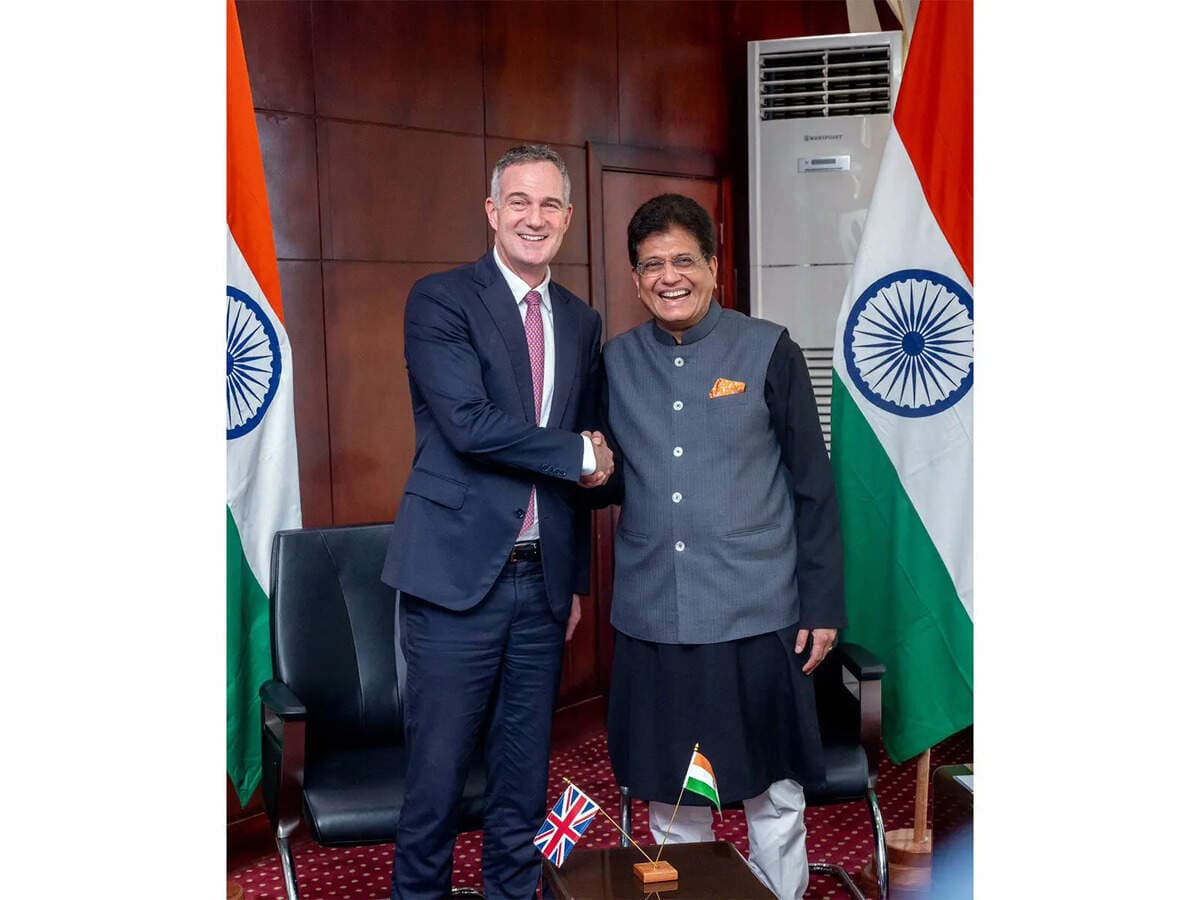
Britain and India pressed ahead on implementing their free trade agreement on Wednesday, but a brewing fight over steel left open the possibility that the pact could take effect later than first expected. Trade Secretary Peter Kyle, back from Delhi, said the talks were “moving at breakneck speed” and insisted the agreement itself would not be reopened.
The timing matters because both governments had sold the deal as a major prize. Britain signed the accord with India on 24 July 2025 after negotiations launched on 13 January 2022, and the government says it is the country’s biggest and most economically significant bilateral trade deal since leaving the EU. It spans 30 chapters, including standalone sections on gender, innovation, environment and labour, and is meant to slash 99% of UK tariffs and 90% of Indian tariffs once it enters into force.
For ministers, the challenge is no longer the headline signing but the mechanics of delivery. Kyle’s comments suggested the two sides were still trying to separate ratification of the wider trade pact from the narrower steel dispute, a distinction that could shape the final timetable. He also indicated implementation could slip into the autumn, which would still amount to the fastest implementation period of any trade deal Britain has signed.
The steel issue is the sharpest test. Britain announced a new steel trade measure on 19 March 2026, due to take effect on 1 July 2026. The plan cuts overall quota levels by 60% and imposes a 50% tariff above the quota, after the current steel safeguard measure expires on 30 June 2026 and cannot be extended. Indian officials have already warned they may reconsider tariff concessions on British exports, including Scotch whisky, if the safeguards go ahead.
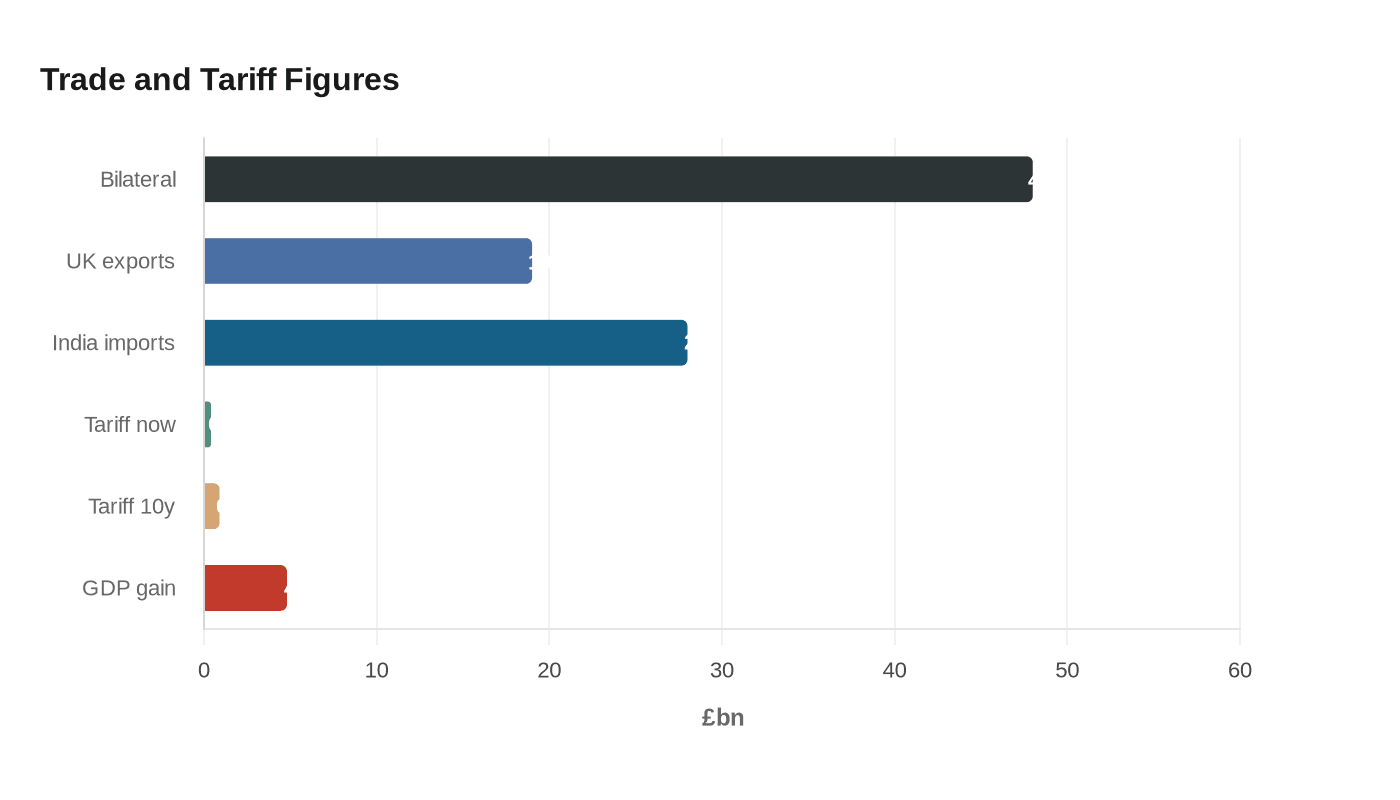
The economic stakes are substantial on both sides. Bilateral trade between Britain and India is already worth £48 billion a year, while the House of Commons Library said UK exports to India were £19 billion and imports from India were £28 billion in the year to September 2025. The government estimates the deal will reduce tariffs on UK exports to India by up to £400 million a year when it comes into force, rising to £900 million after 10 years, and could lift UK GDP by 0.13%, or £4.8 billion, in the long run.
Kyle also used the Delhi trip to reassure business leaders that Britain did not face new U.S. tariffs over forced-labour issues and that Washington had recognised British efforts in that area. His visit came after 125 prominent UK CEOs, entrepreneurs and business leaders joined a trade mission to India late last year, a sign of how much both governments want the agreement to move from ceremony to reality.
This article was produced by Prism’s automated news system from verified source data, official records, and press releases, then run through automated quality and moderation checks before publishing. The system is built and supervised by the people who set the standards it runs under. Read our full AI policy.
Know something we missed? Have a correction or additional information?
Submit a Tip