Israel approves 2,162 new West Bank settler homes, deepening tensions
Israel approved 2,162 settler homes across three West Bank blocs, tightening control around Jerusalem, Nablus and Hebron and hardening the map any Palestinian state would need.

Israel’s approval of 2,162 new settler homes does more than add rooftops. It pushes deeper into the Jerusalem, Nablus and Hebron corridors, tightening Israeli control over territory that would have to form the backbone of any future Palestinian state.
Bezalel Smotrich, Israel’s hardline finance minister, said on June 3 that a planning committee had signed off on the units across three settlements in the occupied West Bank. The breakdown is telling: 1,006 homes near Jerusalem, 922 near Nablus and 234 near Hebron. Each cluster sits on a different axis of movement and statehood, shaping roads, access and the territorial seams that Palestinian negotiators have long argued must remain open for a viable state.
Smotrich framed the move as a national project. “We are continuing to build the Land of Israel in practice,” he said. He added that the new homes would “strengthen our hold on the land, reinforce Israel's security, and establish clear facts on the ground that prevent the creation of an Arab terror state in the heart of the country.”
The stakes extend beyond one approval. Around half a million Israelis now live in the West Bank among roughly 3 million Palestinians, a demographic and political balance that has steadily shifted as Israel’s right-wing government has overseen major settlement expansion. The new homes add to that pressure at a moment when Palestinian hopes for statehood remain tied to the West Bank, East Jerusalem and Gaza.
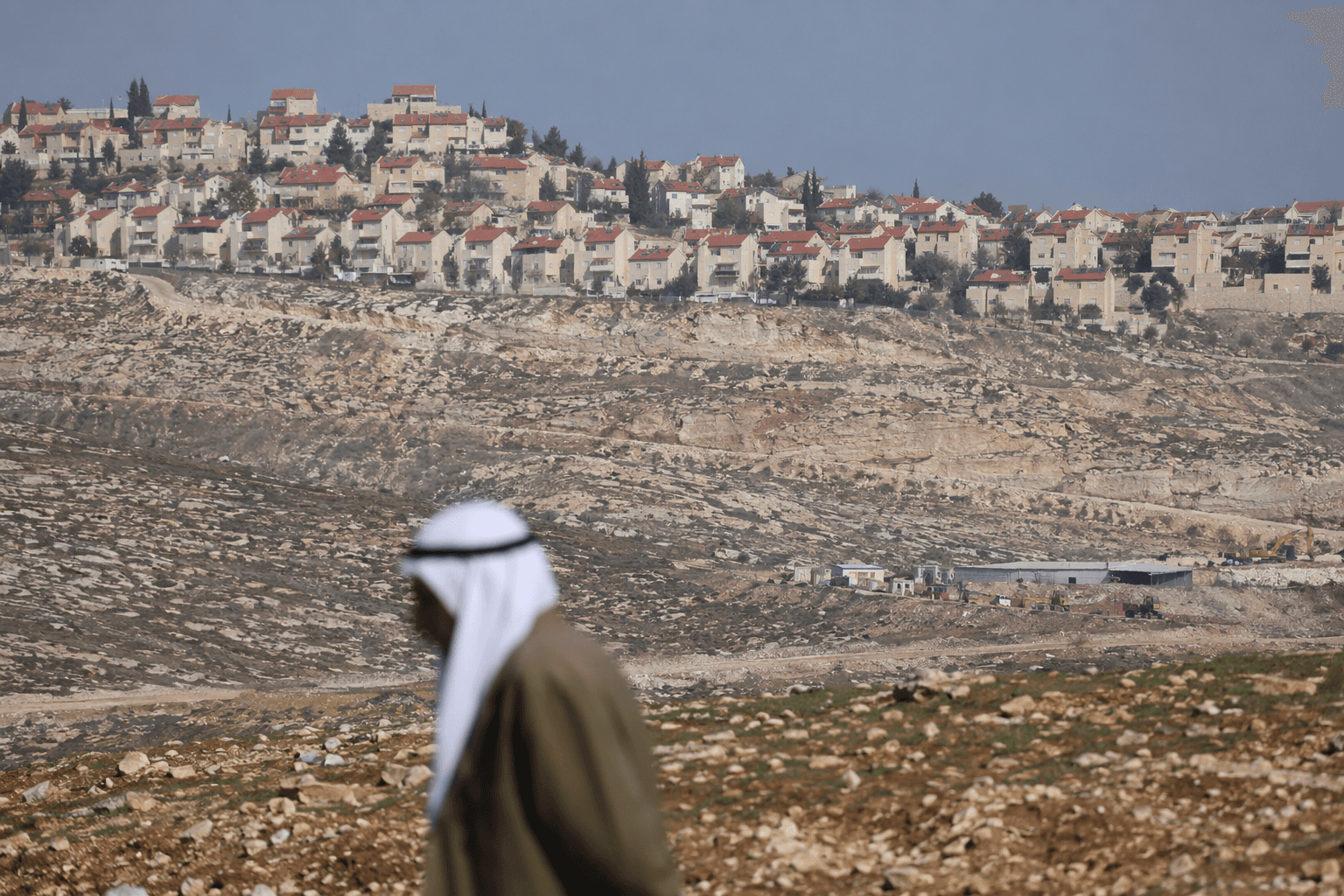
The geography matters because settlement growth is not evenly distributed. Expansion near Jerusalem narrows the space around the city and reinforces the barrier between East Jerusalem and the rest of the West Bank. The Nablus and Hebron projects deepen Israeli presence in the north and south, further complicating any contiguous Palestinian map. The European Union has said settlement activity is illegal under international law and warned that the E1 project would cut contiguity between East Jerusalem and the West Bank if implemented.
The broader trend is already visible in the numbers. The European External Action Service said Israel advanced 28,872 settlement plans and tenders in 2024, including 9,884 housing units in the occupied West Bank, a 250 percent increase over seven years since 2018. In March, the United Nations Human Rights Office said settlement expansion and annexation efforts had forcibly displaced more than 36,000 Palestinians.
Donald Trump has said he would not allow Israel to annex the West Bank, while the United Arab Emirates has warned against annexation. But the June 3 approval shows how each new housing decision shifts the baseline before any diplomacy begins, fixing more roads, more boundaries and fewer options for compromise.
This article was produced by Prism’s automated news system from verified source data, official records, and press releases, then run through automated quality and moderation checks before publishing. The system is built and supervised by the people who set the standards it runs under. Read our full AI policy.
Know something we missed? Have a correction or additional information?
Submit a Tip