London Tube strikes continue as TfL reports improved staffing levels
London public transport ran at 86% of normal despite the Tube strike, as commuters shifted onto other lines and TfL said staffing improved on Thursday.
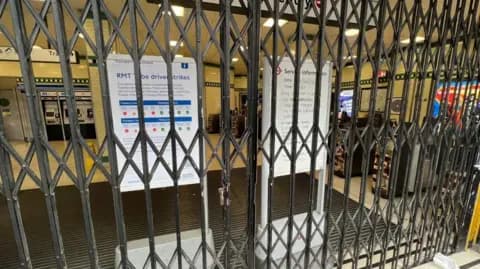
London’s transport network kept moving through the second day of Tube strike action, with Transport for London saying journeys across the city were at 86% of their usual levels on Thursday. The figures suggest the strike disrupted travel, but not enough to stop many commuters from adapting to other options across the capital’s wider network.
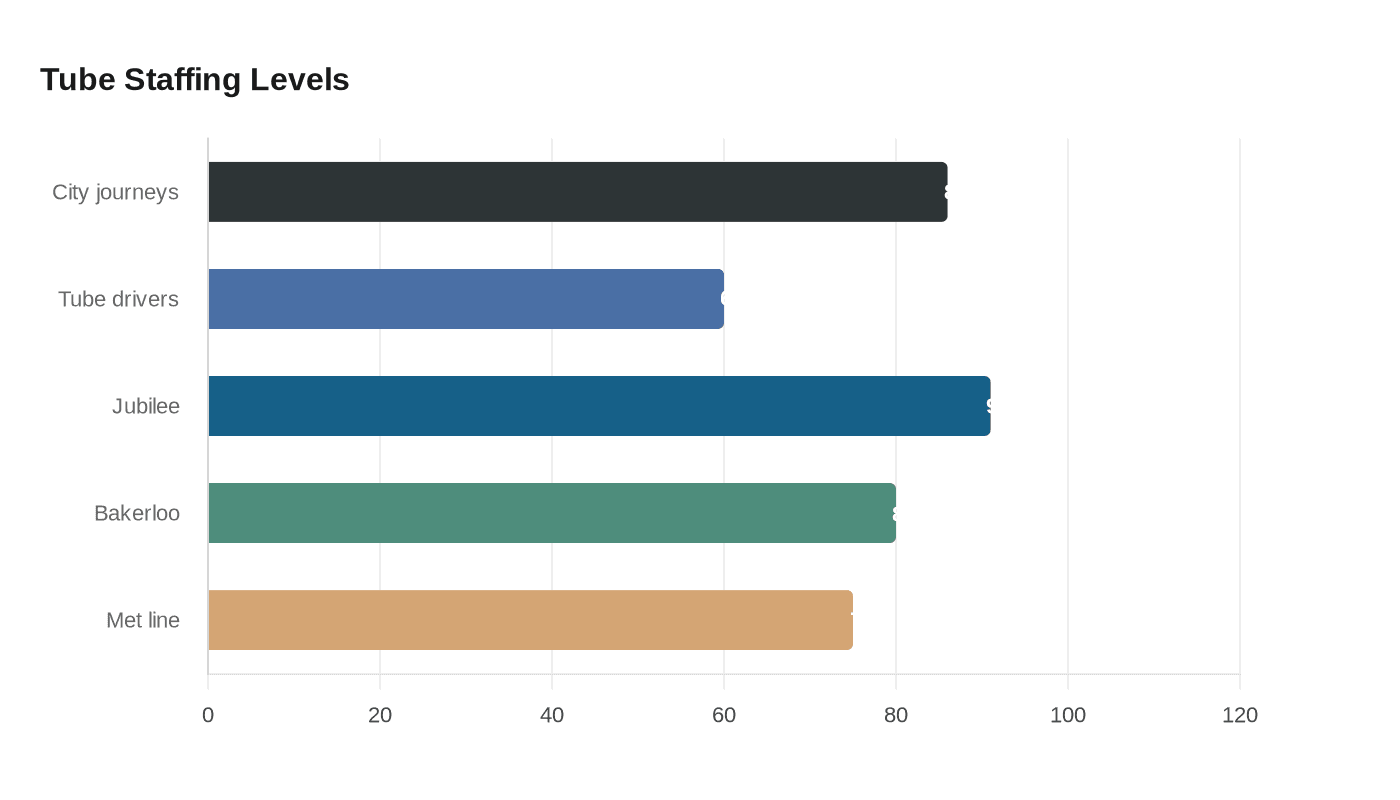
TfL said about 60% of Tube drivers reported for duty on Thursday morning, slightly more than on Tuesday, with attendance varying sharply by line. On the Jubilee line, 91% of drivers were at work, compared with 80% on the Bakerloo line and 75% on the Metropolitan line. A TfL spokesperson apologised for the disruption and said more drivers had come to work on Thursday than on Tuesday.
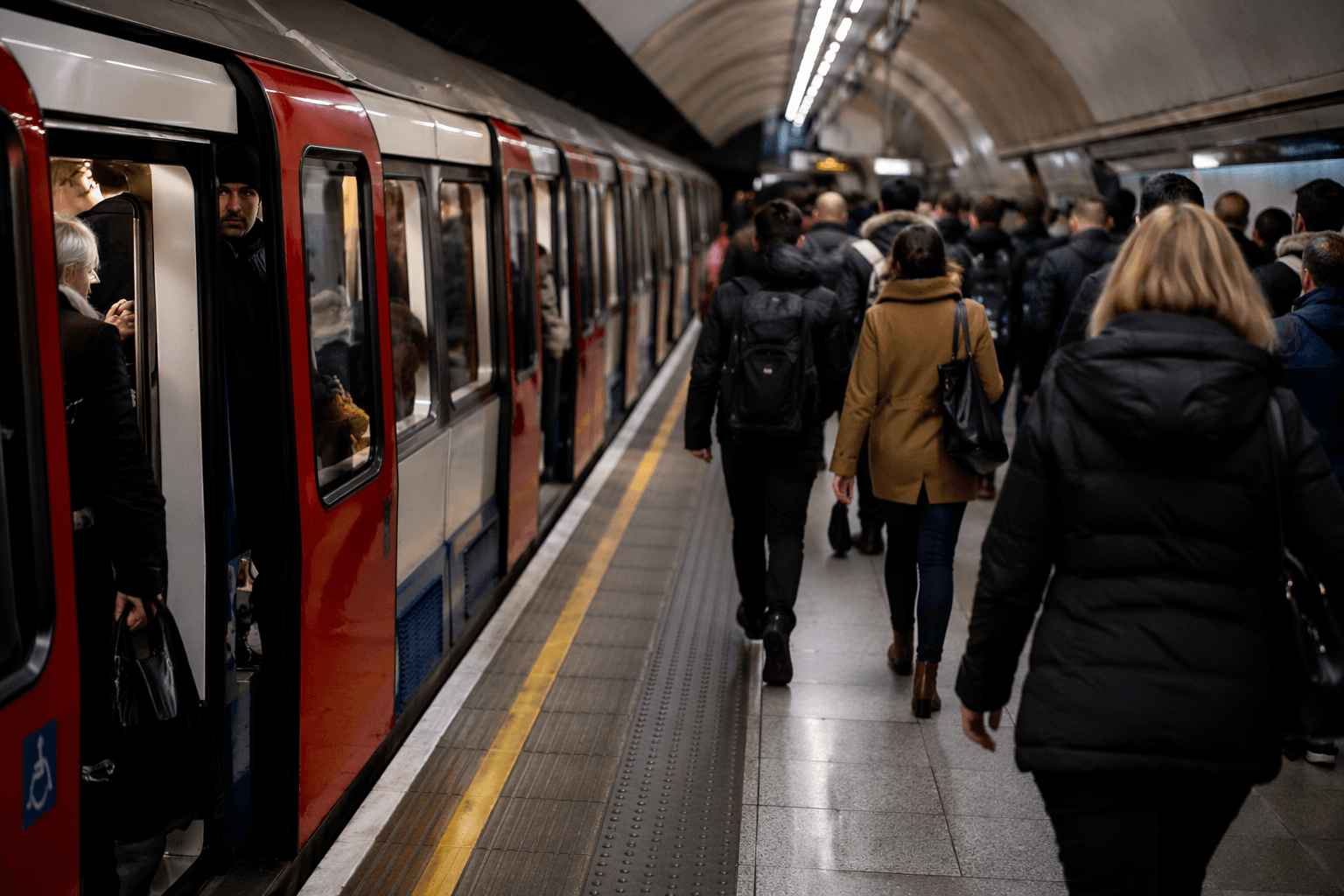
The strike formed part of a dispute over RMT objections to TfL proposals for drivers to work a voluntary four-day pattern. TfL said the arrangement would not be mandatory, while the union said it had safety and fatigue concerns. The Rail, Maritime and Transport Union said Tuesday’s strike “was strongly supported by RMT members with well attended picket lines at Tube stations and depots”.

The data also showed the limits of trying to shut down travel in a city with alternatives. TfL said the Elizabeth line, London Overground, Docklands Light Railway and trams were expected to run and be busier than normal, helping absorb demand when Underground services were disrupted. In the previous round of industrial action in April, TfL said more than half of normal Tube demand was still seen on each strike day, and the wider TfL network reached 94% of normal demand on Friday 24 April.
TfL told passengers to expect limited service before 06:30 on strike days and to complete journeys by 21:00. With a large share of travel still taking place, the latest stoppage showed a city increasingly able to reroute around a strike, even as it continues to absorb longer journeys, fuller trains and the cost of repeated disruption.
This article was produced by Prism’s automated news system from verified source data, official records, and press releases, then run through automated quality and moderation checks before publishing. The system is built and supervised by the people who set the standards it runs under. Read our full AI policy.
Know something we missed? Have a correction or additional information?
Submit a Tip

