Anti-immigration protesters rally in Madrid over Ceuta migrant surge
Hundreds rallied outside Morocco’s embassy in Madrid as Ceuta’s migrant surge fueled far-right warnings of an “invasion” and pressure on Spain’s border policy.
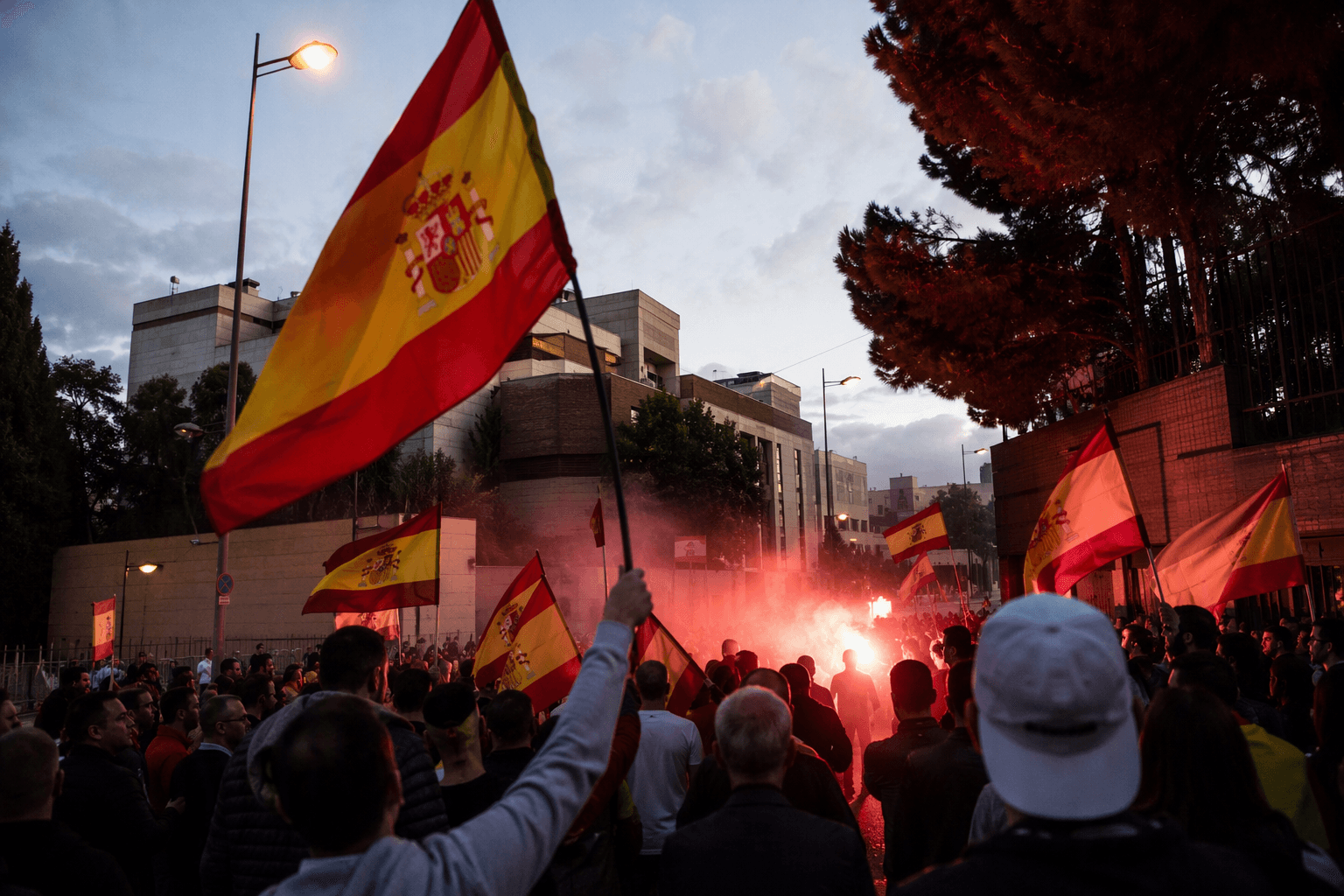
Hundreds of anti-migrant protesters gathered outside Morocco’s embassy in Madrid on July 31, turning Ceuta’s sudden influx of migrants into a street-level challenge for Pedro Sánchez’s government. The rally denounced what demonstrators called a migrant “invasion” and defended “Spanish identity,” while some participants were seen making gestures commonly associated with Nazi salutes.
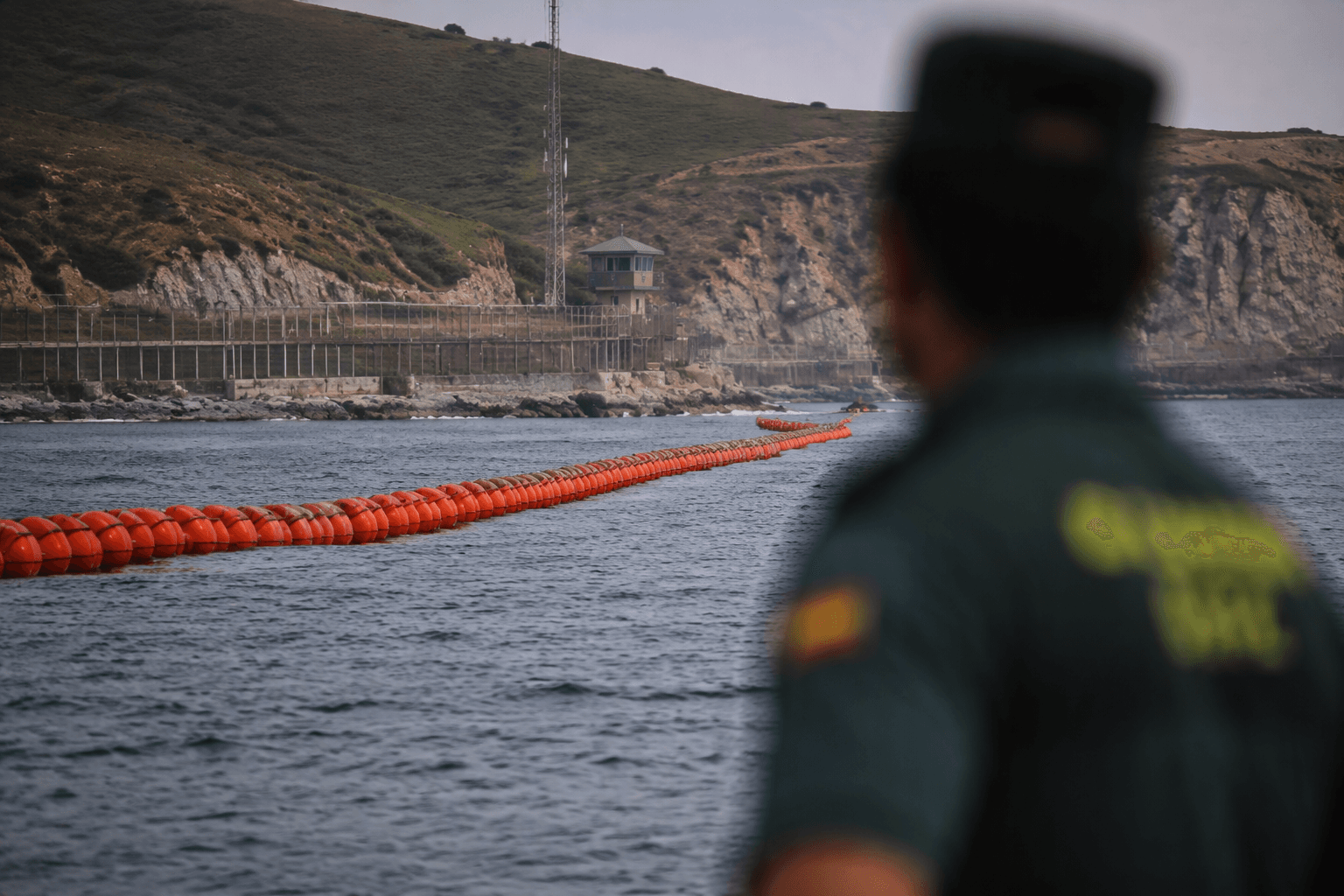
The protest landed as Spain scrambled to contain the fallout from crossings into its North African enclave. Spain deployed military and police resources to Ceuta after a surge from Morocco that was described in different tallies as ranging from about 2,000 people in recent days to as many as 60,000 over the course of the crisis. Spain said most of the migrants had returned to Morocco voluntarily, but the scale of the movement left Ceuta’s authorities warning that the enclave could not absorb the pressure.
Juan Jesús Vivas, Ceuta’s leader, said the influx was overwhelming local resources, and Interior Minister Fernando Grande-Marlaska was expected to visit the territory. The response showed how quickly Ceuta, a small Spanish enclave on the edge of North Africa, can become a national security issue, forcing Madrid to balance border control, local capacity and the political cost of appearing unable to manage the frontier.
The crisis also sharpened the political fight over migration inside Spain and across Europe. Sánchez, who has maintained a more pro-immigration line than many of his critics, faced backlash at home and abroad, while European Commission President Ursula von der Leyen called the situation “unacceptable.” Far-right activists seized on the crossings to argue for tighter border controls, using Ceuta as evidence that Spain’s migration policy had failed.
The human toll has placed a hard ceiling on any talk of an easy crackdown. At least 57 people died in the crossing attempts, and the surge was fueled by social media rumours and economic hardship. Some migrants said they crossed because of hunger and hostility, a reminder that the pressures pushing people toward Ceuta are as much social and economic as they are political.
This article was produced by Prism’s automated news system from verified source data, official records, and press releases, then run through automated quality and moderation checks before publishing. The system is built and supervised by the people who set the standards it runs under. Read our full AI policy.
Did this article answer your question?